
Malware Hijacks Top DuckDuckGo Ad Slot
A concerning security incident has emerged where a malicious actor is serving malware directly through paid advertisements at the very top of DuckDuckGo search results. The campaign, detailed by security researcher Tim.gg, targets users actively seeking software, tricking them into downloading malicious executables disguised as legitimate applications.
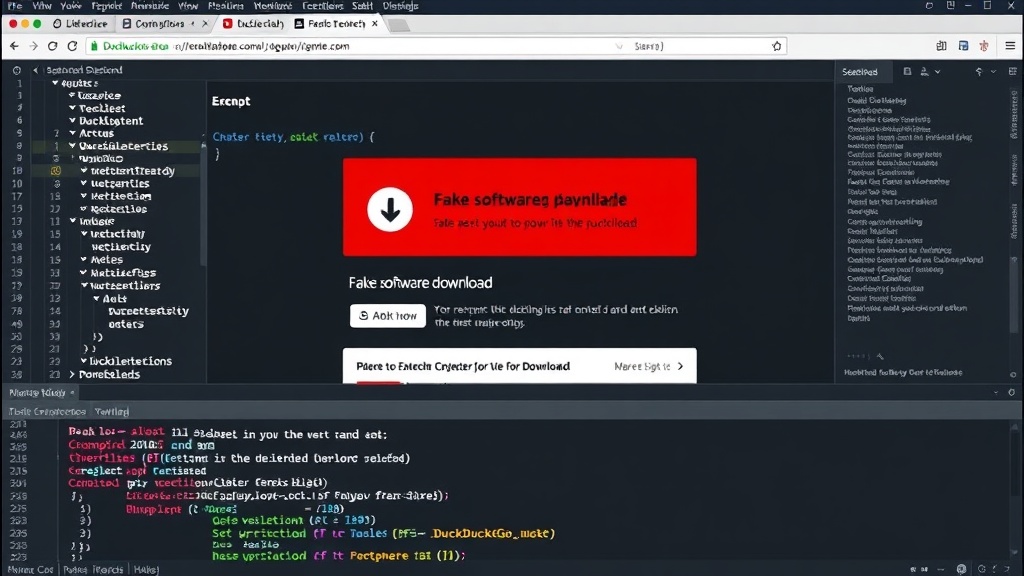
The attack vector exploits the trust users place in search engine results, particularly for privacy-focused browsers like DuckDuckGo. When a user searches for terms related to popular software, such as "download AnyDesk" or "download Discord," the top ad slot is occupied by a malicious advertisement. Clicking this ad redirects the user not to the official software vendor’s website, but to a landing page controlled by the attacker.
This landing page is meticulously designed to mimic the legitimate download portal for the software. It presents a convincing interface, often featuring official logos and download buttons. However, the download link on this page delivers a stealer malware, specifically designed to harvest sensitive information from the victim's computer.
The Anatomy of the Attack
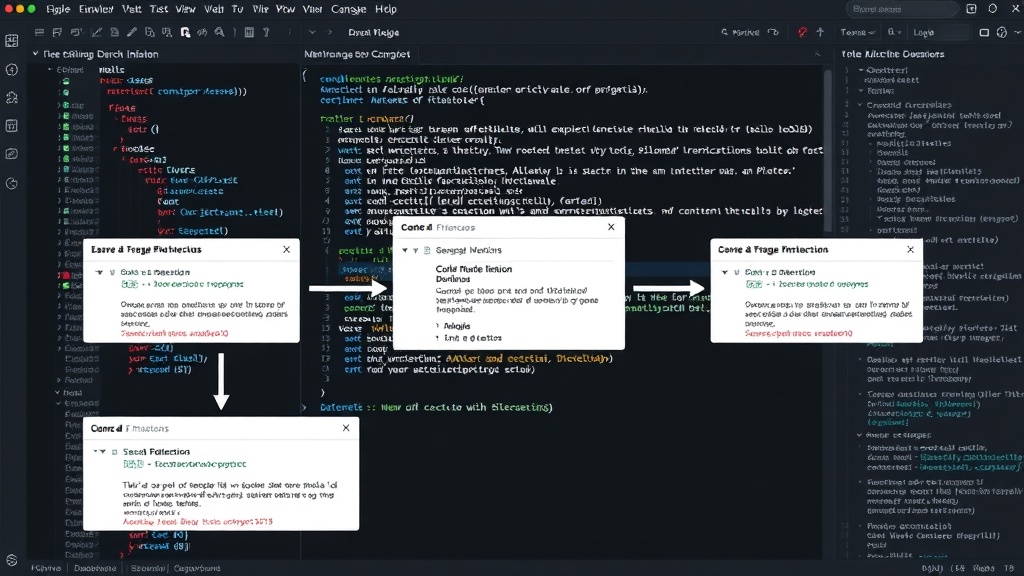
The malware payload observed is a variant of the "Meta" stealer, a type of malware known for its ability to exfiltrate credentials, cryptocurrency wallet information, and other sensitive data. The attackers have employed a multi-stage infection process to evade detection and complicate analysis.
Initially, the downloaded file is an installer for a seemingly legitimate tool, often a "helper" or "optimizer" program. This first stage is designed to appear benign and pass initial antivirus scans. Once executed, this installer unpacks and runs the actual stealer malware in the background.
The stealer then operates covertly, scanning the infected system for valuable data. This includes:
- Browser credentials (usernames, passwords, cookies)
- Cryptocurrency wallet seeds and private keys
- System information (IP address, hardware details)
- Autofill data from web browsers
- Session tokens for various online services
This information is then exfiltrated to a command-and-control (C2) server operated by the threat actor. The sophistication of the campaign lies in its ability to maintain a high-ranking ad slot on a popular search engine, suggesting a significant investment in advertising budget and evasion techniques.
Exploiting Trust and Urgency
The success of this campaign hinges on exploiting user psychology. Users searching for software downloads are often in a state of urgency, aiming to quickly acquire a tool they need. The prominent placement of the malicious ad, combined with a convincing fake landing page, creates a potent combination that can bypass careful scrutiny.
The choice of DuckDuckGo is particularly interesting. While often lauded for its privacy features, it does display paid advertisements. Threat actors may perceive privacy-focused platforms as potentially having less stringent ad review processes, or they may be targeting users who prioritize privacy but may be less security-aware.
The malware's ability to masquerade as a legitimate installer, and the subsequent stealthy operation of the stealer, highlight the evolving tactics of cybercriminals. Traditional security measures, such as relying solely on antivirus signatures, may not be sufficient to catch these evolving threats.
Broader Implications and Mitigation
This incident serves as a stark reminder that no online platform is entirely immune to malicious activity. While DuckDuckGo itself is not compromised, its advertising platform is being actively abused. The consequences for users who fall victim can range from identity theft and financial loss to the compromise of multiple online accounts.
For users, the primary defense is extreme vigilance. Always verify the URL before downloading software. Look for the official domain of the software vendor. If unsure, navigate directly to the vendor's website by typing the URL into the address bar rather than relying on search engine results for downloads.
Security professionals should consider enhancing endpoint detection and response (EDR) capabilities to monitor for suspicious process execution and network connections, which are hallmarks of stealer malware. Network-level filtering might also be employed to block known C2 infrastructure, though this requires continuous updating.
The continuous arms race between attackers and defenders means that user education and robust security hygiene remain paramount. This campaign underscores the need for a multi-layered security approach that combines technical controls with user awareness.
What remains to be seen is how effectively DuckDuckGo and its ad partners can identify and remove these malicious campaigns quickly. The speed at which these actors can set up new campaigns and acquire ad space suggests a significant ongoing challenge for ad network integrity.