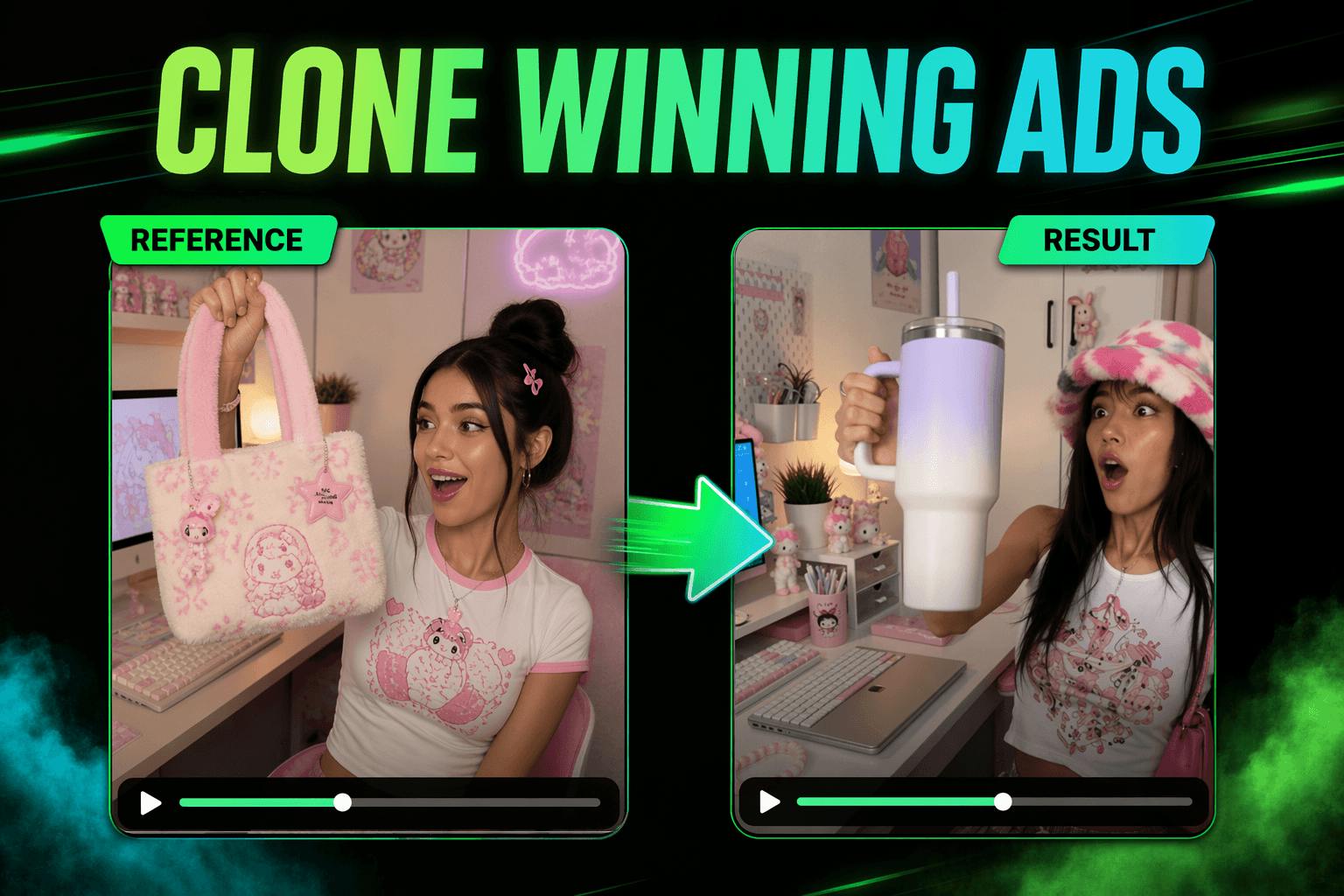
AI-Powered Ad Creation for Conversion
Loova Ads Studio has launched a new platform aimed at advertisers who want AI-generated ad creatives that are optimized for conversion, not just visual appeal. The core promise of Loova Ads Studio is to move beyond the superficial beauty of AI-generated visuals and focus on the bottom line: sales and leads.
In a crowded digital advertising landscape, creating ad creatives that stand out and, more importantly, drive action, is a constant challenge. Traditional methods often involve extensive A/B testing, graphic designer iterations, and copywriting cycles, all of which are time-consuming and resource-intensive. Loova Ads Studio positions itself as a solution to this bottleneck, leveraging artificial intelligence to automate and optimize the creation of ad copy and visuals.
The platform's approach is to analyze what makes ads convert. This suggests a data-driven methodology where the AI is trained on successful ad campaigns, understanding the elements that resonate with target audiences and lead to desired outcomes like clicks, sign-ups, or purchases. Instead of simply generating aesthetically pleasing images or catchy taglines in isolation, Loova Ads Studio aims to synthesize these elements into cohesive campaigns that are engineered for performance.
This focus on conversion is a critical differentiator. Many AI creative tools excel at generating novel and attractive imagery or text, but translating that into tangible business results requires a deeper understanding of marketing principles and consumer psychology. Loova Ads Studio claims to embed this understanding into its AI, allowing users to generate ads that are not only visually engaging but also strategically effective.
Key Features and Functionality
While specific technical details of Loova Ads Studio's AI architecture are not fully disclosed, the product's positioning implies several key functionalities:
- AI-Generated Ad Copy: The platform likely generates headlines, body text, and calls-to-action tailored to specific campaign goals and target demographics. This copy would be designed to be persuasive and action-oriented.
- AI-Generated Visuals: Beyond generic image generation, Loova Ads Studio's visuals are presumably designed to complement the ad copy and align with conversion objectives. This could involve generating images that evoke specific emotions or clearly communicate a product's value proposition.
- Conversion Optimization Focus: The underlying AI model is trained to prioritize elements that have historically led to higher conversion rates. This means the generated creatives are not random outputs but are informed by performance data.
- Campaign Customization: Users can likely input parameters such as target audience, campaign objective (e.g., lead generation, e-commerce sales), brand guidelines, and product information to guide the AI's creative process.
- Iterative Improvement: The platform may offer features for A/B testing variations of AI-generated ads or for refining creatives based on initial performance feedback, further enhancing the conversion focus.
The implication is that advertisers can potentially reduce the time and cost associated with traditional ad creative production, while simultaneously improving the effectiveness of their campaigns. This is particularly relevant for small and medium-sized businesses that may not have large marketing teams or budgets for extensive creative agencies.
The Competitive Landscape and Market Need
The market for AI-powered marketing tools is rapidly expanding. Numerous platforms offer AI for copywriting, image generation, video creation, and campaign management. However, Loova Ads Studio's specific emphasis on AI-driven conversion optimization for ad creatives carves out a niche. Many existing tools focus on generating a large volume of diverse creatives, leaving the optimization and conversion strategy to the user. Loova Ads Studio aims to integrate that strategic layer directly into the creative generation process.
The demand for such a tool is evident. Advertisers are constantly seeking ways to improve their return on ad spend (ROAS). With rising ad costs across major platforms like Meta and Google, the efficiency and effectiveness of each ad creative become paramount. An AI that can reliably produce creatives that convert at a higher rate than human-designed ones, or at least do so more rapidly and affordably, would represent significant value.
What remains to be seen is the actual efficacy of Loova Ads Studio's AI in diverse market segments and against various campaign objectives. While the promise is compelling, the real-world performance data will be the ultimate arbiter of its success. Can an AI truly understand the nuances of consumer psychology that drive conversion across different products, services, and audiences, or will it be another tool that requires significant human oversight and iterative refinement?
The success of Loova Ads Studio will likely depend on its ability to deliver measurable improvements in key performance indicators (KPIs) such as click-through rates (CTR), conversion rates, and cost per acquisition (CPA). If the platform can consistently outperform human-generated creatives or existing AI tools in these metrics, it could fundamentally change how digital ad campaigns are produced.
For founders and marketing professionals, Loova Ads Studio presents an opportunity to explore a new frontier in ad tech. It suggests a future where AI is not just a tool for content generation, but a strategic partner in driving business outcomes. The challenge for users will be to effectively integrate this AI into their existing marketing workflows and to critically evaluate its outputs, ensuring that the AI's focus on conversion aligns with their broader brand and business objectives.