
Logseq 2.0 Beta: A New Foundation for Knowledge Management
Logseq, the open-source, privacy-focused knowledge management and outlining tool, has officially launched its 2.0 Beta, featuring a significant architectural shift: a new database backend. This move marks a pivotal moment for the application, aiming to address long-standing performance bottlenecks and lay the groundwork for future scalability and feature development. For users who have relied on Logseq for managing complex webs of notes, research, and personal knowledge, this beta release signals a substantial evolution in the tool's core capabilities.
The primary driver behind this transition is the need for a more performant and scalable data storage solution. Previous versions of Logseq utilized a file-based system, which, while offering excellent privacy and portability, began to show its limitations as user graphs grew in size and complexity. Operations such as searching, linking, and rendering large documents could become sluggish, impacting the user experience. The introduction of a database backend, specifically leveraging SQLite by default, is Logseq’s answer to these challenges. This fundamental change is designed to make querying and manipulating data orders of magnitude faster.
Under the Hood: SQLite and Performance Gains
The decision to adopt a database backend, with SQLite as the initial and default choice, is a strategic one. SQLite is a self-contained, serverless, zero-configuration, transactional SQL database engine. Its ubiquity, robustness, and performance characteristics make it an ideal candidate for a local-first application like Logseq. Unlike client-server databases, SQLite stores the entire database in a single disk file, which aligns with Logseq's commitment to user data ownership and local control.
The benefits of this shift are expected to be tangible across the board. Users should anticipate dramatically faster search results, quicker page loading times, and a more responsive editing experience, even with exceptionally large knowledge graphs. Indexing operations, which previously could take considerable time, are also expected to be significantly accelerated. This is crucial for maintaining the fluidity that makes tools like Logseq effective for thought work and idea generation.
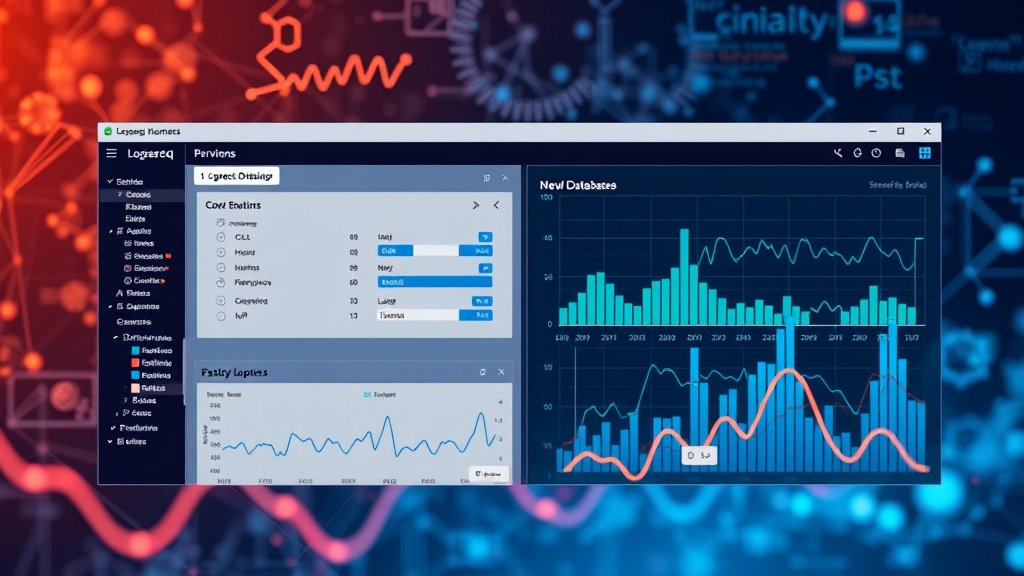
Beyond raw speed, a database backend offers a more structured and reliable way to manage data. It inherently supports ACID (Atomicity, Consistency, Isolation, Durability) properties, ensuring data integrity and reducing the risk of corruption. This is a critical upgrade for users who store vast amounts of important information within Logseq. The new architecture also simplifies future development, providing a more robust API for accessing and managing data, which can unlock new plugin capabilities and integrations.
What This Means for Existing Users and Their Data
For existing Logseq users, migrating to the 2.0 Beta will involve a data migration process. The Logseq team has outlined a clear path for this, ensuring that user data can be converted from the file-based format to the new SQLite database format. While such migrations always carry a degree of apprehension, the team’s focus on a smooth transition is paramount. Users will likely be prompted to create backups before initiating the migration, a standard best practice for any significant data transformation.
The migration process itself is designed to be straightforward. Users will typically open their existing Logseq graph, and the application will detect that it's not in the new database format. It will then guide them through the conversion. The goal is to make this as seamless as possible, minimizing downtime and complexity for the end-user. It is important for users to ensure they have sufficient disk space and to allow ample time for the migration, especially for very large graphs.
It's worth noting that this is a beta release. While the core database migration is a significant undertaking, users should expect potential bugs and areas for refinement. The Logseq community, known for its active participation and constructive feedback, will play a crucial role in identifying and addressing these issues during the beta period. This collaborative approach is a hallmark of open-source development and will be key to Logseq 2.0’s maturation.
Future Possibilities and Broader Implications
The shift to a database backend is not merely a performance upgrade; it's a strategic decision that unlocks new avenues for Logseq’s evolution. With a structured database, Logseq can more easily implement advanced features such as richer querying capabilities, improved synchronization options (beyond the existing file-sync methods), and more sophisticated data relationships. The potential for integration with other tools that leverage SQLite or similar database structures also expands significantly.
This move positions Logseq more strongly against other powerful knowledge management tools that already utilize database backends. It demonstrates a commitment to long-term growth and the ability to handle increasingly demanding use cases. For developers building plugins, the new architecture will offer a more stable and powerful API, potentially leading to a new wave of innovative extensions for the platform.
The success of this beta will depend on the community's adoption and feedback. As users migrate their data and explore the new performance characteristics, their insights will guide the final release of Logseq 2.0. The promise of a faster, more scalable, and more robust Logseq is a compelling one, and this beta version represents a significant leap toward realizing that vision.