
A Legend Reimagined
For years, the Blue Yeti microphone has been a near-ubiquitous fixture in home studios, podcasting setups, and streaming rooms. Its distinctive design and solid performance made it a go-to choice for anyone looking to upgrade from a headset microphone without diving into complex audio interfaces. Now, after a long period without a major successor, Logitech, which acquired Blue Microphones in 2018, has finally refreshed its legendary offering with the Blue Yeti 2. This isn't just a cosmetic update; the Yeti 2 introduces a suite of modern features aimed at simplifying audio capture and enhancing sound quality, even in less-than-ideal environments.
Intelligent Audio Capture
The headline features of the Blue Yeti 2 are its 3D voice tracking and AI-powered noise reduction. The 3D voice tracking aims to intelligently adapt the microphone's pickup pattern based on the user's position and movement, ensuring a consistent and clear signal. This is a significant departure from traditional fixed polar patterns, offering a more dynamic and forgiving recording experience. Think of it less like a static microphone and more like an attentive audio engineer who automatically adjusts the mic's focus as you move around your desk.
Complementing this is the AI denoising. In an era where home recording spaces are often shared or less than acoustically perfect, background noise is a constant battle. The Yeti 2's AI denoising promises to intelligently filter out common distractions like keyboard clicks, fan noise, or ambient room echo in real-time. This capability can drastically reduce the need for post-production cleanup, a major time-saver for creators. Logitech claims this AI processing is handled onboard, meaning it won't tax the host computer's CPU, a crucial detail for streamers and gamers who rely on every bit of processing power.
Simplified Controls and Setup
Beyond the advanced audio processing, Logitech has also focused on user experience. The Blue Yeti 2 incorporates Real-Time Auto Gain. This feature automatically adjusts the microphone's gain level to maintain a consistent volume, preventing sudden loud peaks or quiet passages. This is particularly beneficial for live streams or calls where immediate audio consistency is key. Users will no longer need to constantly monitor and tweak gain settings, allowing them to focus more on their content.
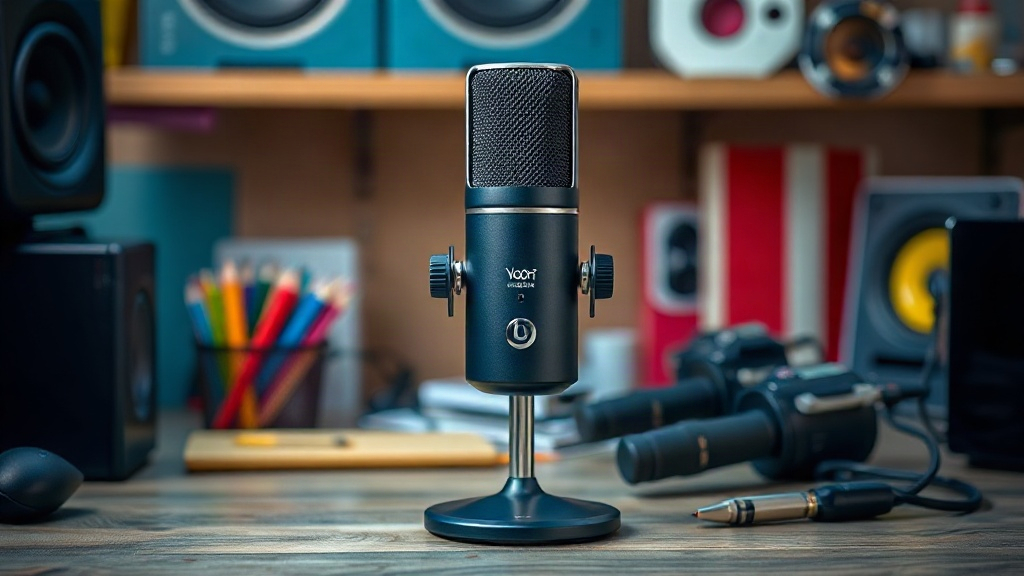
The physical controls have also seen an update. While retaining the familiar Yeti aesthetic, the Yeti 2 features a more intuitive button layout and a new visual indicator for its audio settings. A notable addition is the color mascot screen, a small, customizable display that can show various information, adding a touch of personality and utility to the device. This screen can reportedly display mic status, gain levels, and even custom animations, providing immediate visual feedback without needing to look at software.
Performance and Target Audience
The Blue Yeti 2 is positioned to appeal to a broad audience, from aspiring podcasters and streamers to remote professionals and content creators. The combination of intelligent audio features and simplified controls addresses the primary pain points of many users: achieving professional-sounding audio without a steep learning curve or a perfectly treated room. The real-time AI denoising and auto-gain are particularly valuable for those who need a plug-and-play solution that delivers polished results straight out of the box.
While specific technical specifications like frequency response and maximum SPL were not detailed in the initial announcement, the focus on AI and 3D tracking suggests a significant leap in the microphone's ability to adapt to diverse recording scenarios. The success of these features will hinge on their effectiveness in real-world conditions. The previous Yeti's versatility with its multiple polar patterns was a key selling point; the Yeti 2's adaptive tracking aims to offer a more automated, yet equally effective, solution.
Market Context and Expectations
Logitech's refresh of the Blue Yeti comes at a time when the demand for high-quality, accessible audio solutions for content creation and remote communication continues to grow. Competitors offer a range of USB microphones with varying features, but the Yeti has always held a special place due to its brand recognition and established reputation. The Yeti 2's AI-driven features position it squarely against newer, more technologically advanced microphones that have entered the market in recent years.
The USD $160 price point places the Yeti 2 in a competitive mid-range segment. It offers a compelling upgrade path for existing Yeti users and a strong entry point for newcomers who want professional-grade features without the complexity of XLR microphones and audio interfaces. The integration of AI-powered noise cancellation and adaptive voice tracking is a clear signal that Logitech is betting on intelligent audio processing to differentiate its refreshed flagship product. The real test will be how well these advanced features perform in the hands of everyday users, but the promise of simpler, cleaner audio is a powerful one.