
Lenovo's RTX Spark Lineup: A Performance Leap
Lenovo is set to make a significant impact at IFA in Berlin with the detailed unveiling of its new RTX Spark laptops. The Yoga Pro 9n and the versatile Yoga 9n 2-in-1 are the stars of this announcement, with Lenovo finally releasing comprehensive specifications and demonstrating their advanced stylus support. These machines are engineered to deliver a substantial upgrade in performance, targeting users who demand more from their portable computing devices, from creative professionals to power users.
The RTX Spark branding signifies a push towards higher-end graphics and processing capabilities, moving beyond standard productivity tasks. This suggests a strategic play by Lenovo to capture a larger share of the premium laptop market, where performance, display quality, and creative tool integration are paramount. The release ahead of IFA indicates Lenovo's intention to capture early attention and set a benchmark for competitors showcasing their latest innovations at the prominent tech event.
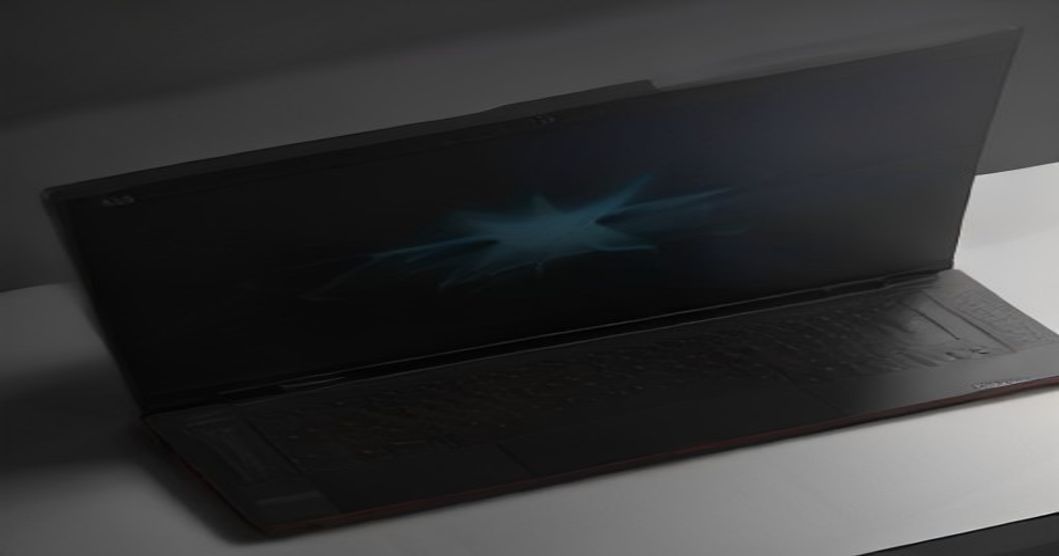
Yoga Pro 9n: Powerhouse for Creators
The Lenovo Yoga Pro 9n is positioned as a flagship device for content creators and demanding professionals. At its core, the laptop is powered by Intel's latest Core Ultra processors, specifically the 9-series chips, which offer a significant boost in both CPU and integrated AI performance. Complementing the CPU is the inclusion of NVIDIA's GeForce RTX GPUs, enabling robust graphics processing for tasks such as video editing, 3D rendering, and even casual gaming. The specific RTX GPU models are not yet fully detailed, but the association with RTX Spark implies at least mid-range to high-end discrete graphics capabilities.
Display quality is a critical factor for creative professionals, and the Yoga Pro 9n does not disappoint. It features a 14.5-inch Mini-LED display with a sharp 3K resolution (3072 x 1920). The panel boasts a 120Hz refresh rate for fluid motion, and its 100% DCI-P3 color gamut coverage ensures accurate color reproduction, essential for visual work. With a peak brightness of 1200 nits and support for Dolby Vision, the display promises an immersive and visually rich experience, whether for editing photos, watching HDR content, or working on detailed graphic designs. The inclusion of a 16:10 aspect ratio further enhances productivity by providing more vertical screen real estate compared to traditional 16:9 displays.
Lenovo has also emphasized the audio-visual experience. The Yoga Pro 9n is equipped with an 8MP webcam, offering clearer video calls and content capture. The audio system is tuned by Harman Kardon and supports Dolby Atmos, delivering spatial sound for an enhanced multimedia experience. Connectivity options include Wi-Fi 7 support, ensuring high-speed wireless networking for large file transfers and streaming. The laptop's thermal management system is also a point of focus, designed to sustain peak performance during extended workloads without excessive noise or throttling. This is crucial for a device aimed at users pushing their hardware to the limit.
Yoga 9n 2-in-1: Versatility Meets Performance
The Lenovo Yoga 9n 2-in-1 offers a more flexible form factor without compromising significantly on performance. Like its Pro sibling, it is powered by Intel Core Ultra 9 processors, providing a strong foundation for a wide range of tasks. It also supports discrete NVIDIA RTX graphics, though the specific tier may differ from the Pro model, likely targeting a balance between performance and battery life in a convertible chassis. This makes it suitable for users who need a device that can adapt to various scenarios, from traditional laptop use to tablet-style interaction.
A key highlight for the Yoga 9n 2-in-1 is its robust stylus support. Lenovo is promoting its active stylus compatibility, which will allow users to take notes, sketch, and interact with the touchscreen in a more precise and intuitive manner. This feature is particularly valuable for students, artists, and professionals who frequently use their devices for annotation or digital drawing. The display on the Yoga 9n 2-in-1 is a 14-inch OLED panel with a 2.8K resolution and a 120Hz refresh rate. The OLED technology ensures deep blacks, vibrant colors, and fast response times, complementing the stylus input with a visually pleasing and responsive surface. The 360-degree hinge mechanism allows the screen to be folded back completely, transforming the laptop into a tablet or a presentation stand.
While specific details on battery size and claimed battery life are pending, Lenovo's focus on efficient Intel Core Ultra processors and potentially optimized power management suggests a competent endurance for a device of this caliber. The inclusion of an upgraded webcam and enhanced audio, similar to the Yoga Pro 9n, ensures that the 2-in-1 model is well-equipped for productivity and communication. The combination of its convertible design, stylus functionality, and capable hardware makes the Yoga 9n 2-in-1 a compelling option for those seeking a premium, adaptable computing experience.
Broader Implications and Availability
The introduction of the RTX Spark lineup, with the Yoga Pro 9n and Yoga 9n 2-in-1 at its forefront, signals Lenovo's aggressive strategy in the premium laptop segment. By integrating the latest Intel Core Ultra processors and NVIDIA RTX graphics, coupled with high-quality displays and enhanced creative tools like stylus support, Lenovo is clearly aiming to compete directly with other high-performance offerings from major manufacturers. The timing of this announcement before IFA suggests a strong product push for the latter half of the year and into the next.
The specific pricing and exact availability dates for both the Yoga Pro 9n and Yoga 9n 2-in-1 are yet to be announced. However, given their specifications, these devices are expected to occupy the higher end of Lenovo's portfolio, likely commanding premium pricing. Users interested in these RTX Spark models should monitor official Lenovo channels and major tech retailers for further updates on pricing, configurations, and release timelines. The emphasis on stylus support, particularly on the 2-in-1 model, also indicates a growing trend towards hybrid input methods in premium laptops, bridging the gap between traditional computing and tablet-like functionality.