
The Default Kubernetes Networking Problem
A freshly deployed Kubernetes cluster typically operates with an unnervingly permissive network configuration. By default, every pod can communicate freely with every other pod, regardless of namespaces, services, or environments. There are no inherent egress or ingress restrictions. This open-door policy is a significant security risk, essentially inviting lateral movement attacks. A single compromised pod can potentially grant an attacker access to the entire cluster. Many teams overlook this vulnerability, only addressing it when a security audit looms or, worse, after a breach occurs. Network Policies are the built-in Kubernetes mechanism to rectify this fundamental insecurity.
Implementing a 'Deny All' Baseline
The most effective strategy for network security in Kubernetes is to adopt a strict 'deny all traffic by default' approach. This principle dictates that no traffic is permitted unless it is explicitly allowed by a defined Network Policy. This mindset shift is crucial for building a secure foundation.
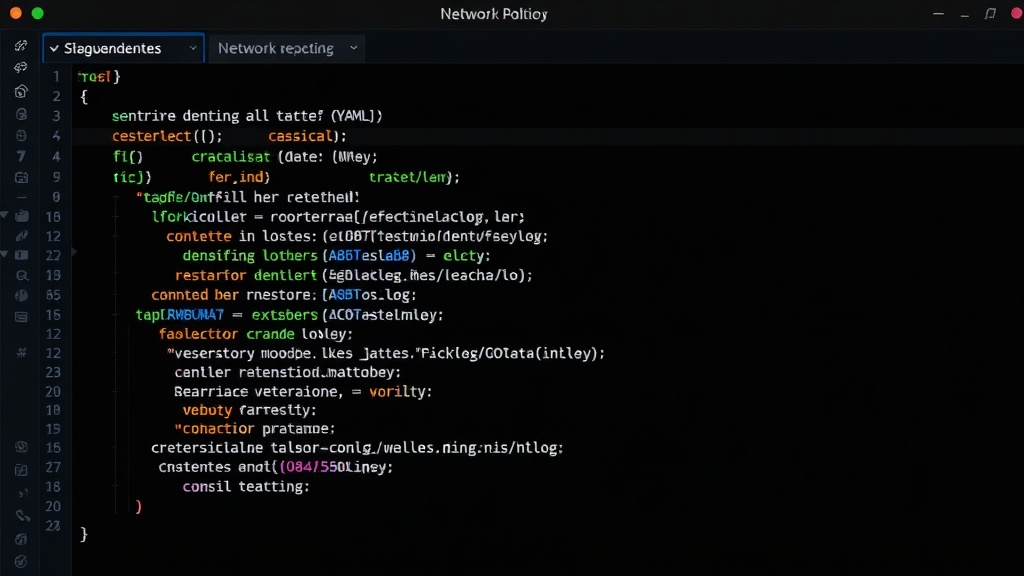
Consider a basic NetworkPolicy that enforces this baseline. This policy applies to all pods in a namespace (indicated by an empty podSelector) and denies all ingress and egress traffic. This is the starting point from which specific, necessary connections are then whitelisted.
Common Pitfalls and How to Avoid Them
Several common mistakes can undermine the effectiveness of Kubernetes Network Policies:
1. Overly Broad Policies
A frequent error is creating Network Policies that are too permissive. For instance, selecting all pods in a namespace with an empty podSelector for a policy that allows specific ingress from a particular pod can inadvertently grant that ingress to all pods in the namespace, not just the intended ones. Always be specific with your podSelector to target only the pods that require the policy.
2. Misunderstanding `policyTypes`
The policyTypes field in a NetworkPolicy is critical. If omitted, Kubernetes defaults to applying the policy to both ingress and egress traffic if rules for both are defined. If only ingress rules are present, it defaults to Ingress. If only egress rules are present, it defaults to Egress. Explicitly defining policyTypes: [Ingress] or policyTypes: [Egress] ensures the policy only affects the intended traffic direction, preventing unexpected network behavior.
3. Ignoring Egress Traffic
Many security-focused teams concentrate heavily on ingress traffic, neglecting egress. However, restricting egress traffic is equally important. It prevents compromised pods from initiating connections to malicious external services or exfiltrating data. A comprehensive security posture requires policies that manage both inbound and outbound connections.
4. Incorrect Label Selectors
Network Policies rely heavily on Kubernetes labels. If labels are inconsistently applied or incorrect, policies will not match the intended pods. Regularly audit your pod labels and ensure they accurately reflect the desired network segmentation.
5. Conflicting Policies
When multiple Network Policies apply to the same pod, the behavior is additive for allow rules but follows a 'deny' logic for all traffic if no explicit allow rule exists. If a pod is selected by a policy that denies all ingress, and another policy that allows specific ingress, the pod will still deny all ingress because of the first policy. Understanding how policies interact is key. It's often best to have a clear, single policy for a given set of traffic requirements rather than trying to manage complex interactions between multiple policies.
A Practical Example: Securing a Web Application
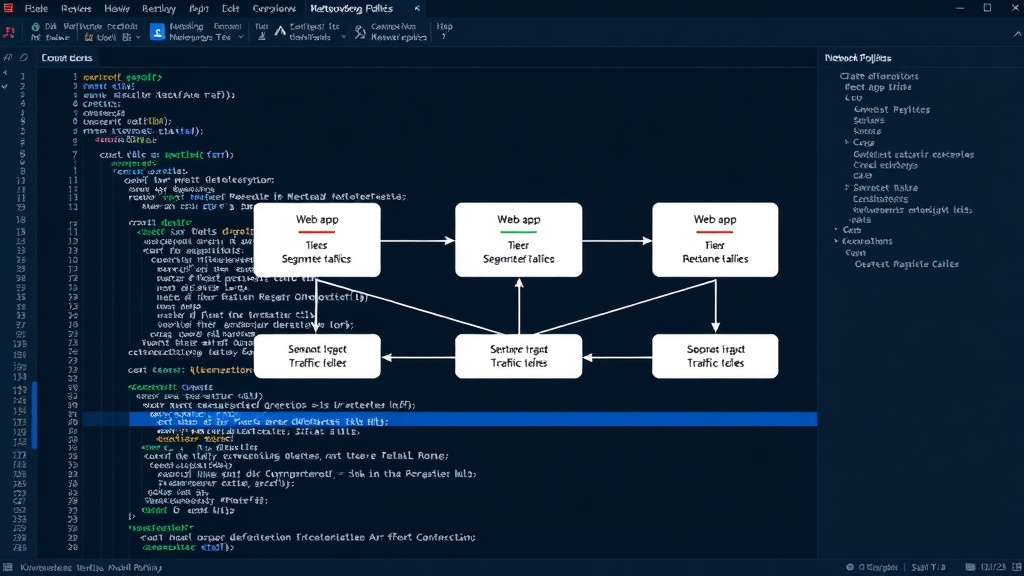
Let's consider a common scenario: a multi-tier web application consisting of a frontend, a backend API, and a database.
1. Default Deny: First, apply a cluster-wide or namespace-wide NetworkPolicy that denies all ingress and egress traffic to all pods. This establishes the secure baseline.
2. Allow Frontend Ingress: Create a policy allowing ingress traffic from external sources (e.g., LoadBalancer IP) to the frontend pods on the appropriate HTTP/S ports.
3. Allow Frontend to Backend: Add a policy for frontend pods that allows egress traffic *only* to backend API pods on the specific port the API listens on. This policy should use label selectors to precisely target the backend pods.
4. Allow Backend to Database: Create a policy for backend API pods that allows egress traffic *only* to database pods on the database's specific port. Again, use precise label selectors for the database pods.
5. Allow Database Egress (if needed): If the database needs to initiate connections (e.g., for replication), define specific egress rules for database pods. Most often, database access is ingress-only from the backend.
6. External Egress Restrictions: If pods need to access external services (e.g., for updates or external APIs), create specific egress policies that allow traffic only to those specific external IP addresses or ranges and ports.
What Nobody Has Addressed Yet: Policy Management at Scale
While the principles of Network Policies are well-understood, managing them effectively in large, dynamic Kubernetes environments presents a significant challenge. As microservices proliferate and teams iterate rapidly, keeping Network Policies up-to-date, accurate, and performant becomes a complex operational burden. The tooling and automation for generating, testing, and enforcing Network Policies at scale are still evolving. Many organizations struggle with the sheer volume and interdependencies of these policies, leading to misconfigurations that either break functionality or leave security gaps. The question remains: what are the best practices and robust automation strategies for maintaining comprehensive network security without stifling development velocity in massive Kubernetes deployments?
Conclusion
Kubernetes Network Policies are not an optional feature; they are a fundamental security control. By understanding the default permissive networking model and diligently implementing a 'deny all, allow specific' strategy, teams can dramatically reduce their attack surface. Careful attention to policy specificity, `policyTypes`, egress controls, label management, and policy interactions is paramount. Regularly auditing and testing policies, especially in production, is essential to ensure they function as intended and do not inadvertently block legitimate traffic or leave security loopholes.