Kimi K3's Multi-Platform Reach with LangBot
Moonshot's Kimi K3, launched July 22, 2026, boasts native vision and a 1 million token context window. While its capabilities are significant, its most compelling deployment strategy isn't another isolated chat interface. Instead, a LangBot Pipeline extends Kimi K3's reach across multiple popular messaging platforms, including Discord, Slack, Telegram, and LINE. This approach circumvents the need to rebuild webhook integrations for each new platform, offering a unified experience for users across their preferred communication tools.
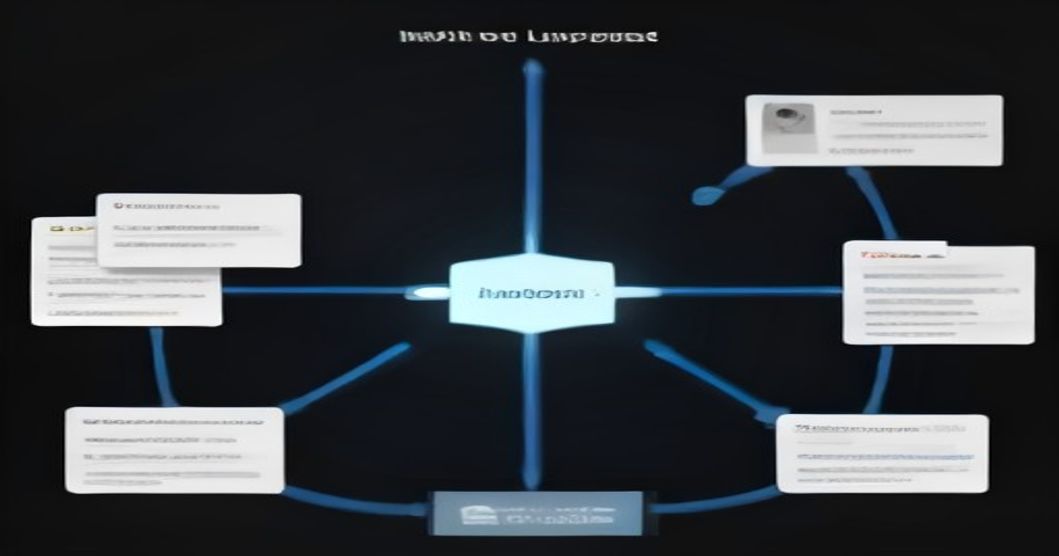
The core innovation lies in LangBot's architectural separation. It distinctively isolates the AI model itself, the conversational pipeline that manages interactions, and the specific connection to each messaging platform. This modular design means a single Kimi K3 setup can serve a wide array of services—potentially including WeChat and others—without requiring a complete re-engineering of the system for every new integration. This is not merely a matter of swapping out a model name; it's a fundamental shift in how large language models are deployed and accessed.
Why Kimi K3 is Worth Testing Now
Kimi K3 represents a substantial leap in AI model capabilities. Announced by Moonshot on July 22, 2026, it is positioned as their most advanced model to date. Key technical details include its official model ID, kimi-k3, and support for varying levels of reasoning effort: low, high, and max. These levels allow users to tune the model's performance and resource consumption based on the task's complexity. For developers working with different regional infrastructures, LangBot thoughtfully includes separate Kimi requesters tailored for both the global and China API endpoints, ensuring broader accessibility and compliance.
The model's native vision capabilities open up new avenues for interaction, allowing it to process and understand visual information directly. Combined with its expansive 1 million token context window, Kimi K3 can maintain coherence and recall information over extremely long conversations or extensive documents. This makes it particularly well-suited for complex analytical tasks, detailed summarization, and extended creative writing projects where deep context is crucial.
The LangBot Architecture: A Layered Approach
LangBot's success in enabling Kimi K3's cross-platform deployment hinges on its deliberate separation of concerns into three core layers:
- Model: This layer abstracts the interaction with the AI model provider. It handles API calls, authentication, and response parsing specific to the AI model. In this case, it is configured to interface with Kimi K3, supporting its various reasoning levels and API endpoints. The flexibility here means that as new models emerge or existing ones are updated, LangBot can adapt by simply updating this layer, without impacting the rest of the system.
- Conversation Pipeline: This is the brain of the operation, managing the flow of conversation. It processes user inputs, orchestrates calls to the AI model, handles context management (crucial for a 1M token window), and formats the AI's output before it's sent back to the user. This layer implements the logic for how the AI should behave, how it remembers past interactions, and how it responds to different types of queries. It's the middleware that ensures a consistent AI experience regardless of the front-end messaging platform.
- Messaging Platform Connection: This layer is responsible for the specific integration with each chat application. It translates incoming messages from the platform's API into a format the conversation pipeline can understand and converts the pipeline's outgoing responses back into the platform's native format. LangBot supports multiple platforms like Discord, Slack, Telegram, and LINE by having dedicated modules for each. This modularity allows for easy addition or removal of platform support.
This layered architecture is more than just good software design; it's a strategic advantage. It allows developers to focus on enhancing the AI model's capabilities or refining the conversational logic without constantly worrying about the intricacies of each messaging platform's API. Conversely, support for a new platform can be added by developing a new connection module, leaving the core AI and pipeline logic untouched. This separation dramatically reduces development time and maintenance overhead, making it feasible to deploy sophisticated AI models like Kimi K3 to a wide audience across diverse communication channels.
Implications for Developers and Users
For developers, LangBot’s approach offers a powerful abstraction. It means they can leverage cutting-edge models like Kimi K3 without becoming experts in the API nuances of every chat application. The ability to deploy a single AI setup across Discord, Slack, Telegram, and LINE simultaneously simplifies infrastructure management and accelerates time-to-market for AI-powered features. The separation also facilitates A/B testing of different AI models or pipeline configurations without disrupting the user-facing integrations.
Users benefit from a more consistent and accessible AI experience. Instead of managing separate AI assistants within different apps, they can interact with a powerful, context-aware AI like Kimi K3 through the platforms they already use daily. This seamless integration lowers the barrier to entry for utilizing advanced AI tools, making them more practical for everyday tasks, collaborative work, and creative exploration. The 1 million token context window, in particular, promises more coherent and in-depth interactions than previously possible on these platforms.
The broader implication is a move towards more integrated and ubiquitous AI assistants. As models become more powerful and deployment frameworks like LangBot more sophisticated, we can expect AI to become an invisible yet indispensable layer across our digital interactions. The question remains: how will this ubiquitous presence impact user privacy and data security across these disparate platforms?