A New Chapter for AI Leadership
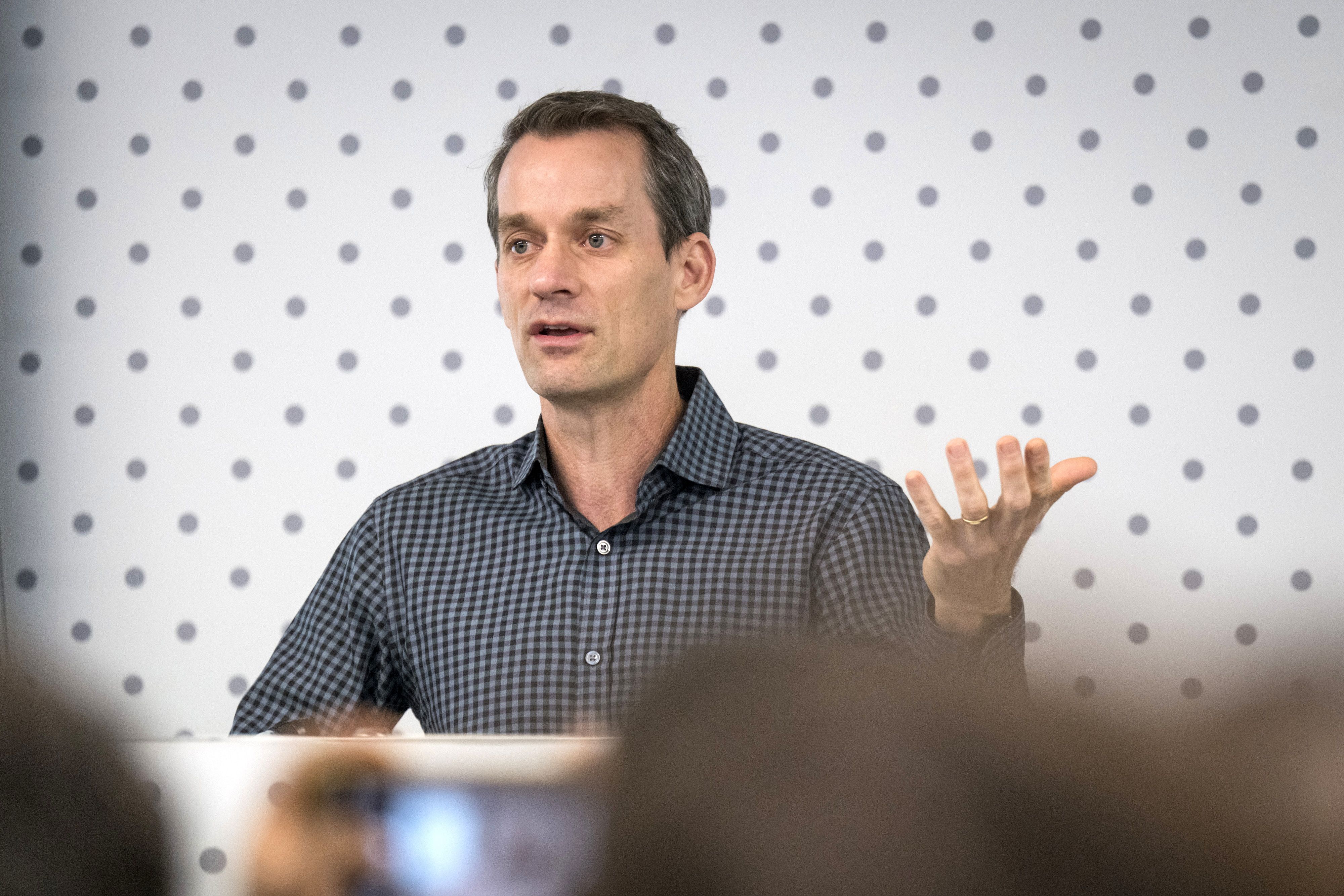
Jeff Dean, a towering figure in artificial intelligence and a long-time executive at Google, has departed the tech giant to co-found a new startup. Dean, who held the title of Google Senior Fellow and led Google AI, is embarking on a mission to harness artificial intelligence for the advancement of scientific discovery. This move marks a significant shift for one of the most influential researchers in the field and signals a potential new wave of AI-driven innovation aimed squarely at accelerating the pace of scientific breakthroughs.
The new venture, whose name and specific funding details remain undisclosed, is founded on the principle that AI can serve as a powerful engine for scientific progress. Dean, known for his foundational work in areas like distributed systems, machine learning, and deep learning, believes that by applying advanced AI techniques, researchers can overcome existing bottlenecks in fields ranging from medicine and materials science to climate change and fundamental physics. The goal is not merely to develop new AI models, but to create tools and platforms that empower scientists to explore hypotheses, analyze vast datasets, and design experiments more efficiently than ever before.
Dean's departure is notable not just for his individual prominence but also for the potential talent exodus it might signal. While the initial announcement focuses on Dean, sources suggest that other key AI researchers and executives from Google are also joining this new endeavor. This collective departure could represent a significant brain drain for Google's AI division, which has long been a leader in the field. The new startup, therefore, is poised to launch with a formidable leadership team and a clear, ambitious mandate.
The Promise of AI in Scientific Research
The intersection of artificial intelligence and scientific discovery is a rapidly evolving frontier. AI's ability to process and find patterns in massive datasets, optimize complex systems, and even generate novel hypotheses offers a compelling pathway to accelerate research cycles that have historically been slow and resource-intensive. Consider the process of drug discovery: traditionally, it involves years of lab work, countless failed experiments, and extensive chemical synthesis. AI can analyze molecular structures, predict drug efficacy, and identify potential candidates for further testing, drastically shortening this pipeline. Similarly, in materials science, AI can predict the properties of new materials based on their atomic composition, guiding researchers toward promising avenues for developing everything from superconductors to advanced battery components.
Dean's vision for the startup is to move beyond these specific applications and build a more generalized AI infrastructure for science. This could involve developing new types of AI models specifically designed for scientific reasoning, creating platforms for collaborative research that leverage AI, or even building AI systems capable of autonomously designing and executing experiments. The challenge, as Dean and his team likely see it, is not just about having powerful AI models, but about integrating them seamlessly into the scientific workflow, making them accessible and useful to a broad range of researchers.

The potential impact is immense. If successful, this startup could fundamentally alter how scientific research is conducted, leading to faster development of new medicines, cleaner energy solutions, and a deeper understanding of the universe. It represents a bet that the next great scientific leaps will be powered by intelligent machines working in concert with human ingenuity. This is less about replacing scientists and more about equipping them with tools that amplify their capabilities, allowing them to tackle problems of unprecedented complexity.
Market Implications and Future Trajectory
The departure of such prominent AI leaders from a tech giant like Google to form an independent startup raises immediate questions about the competitive landscape. Google has been a dominant force in AI research and development, and the loss of key personnel, particularly someone of Dean's caliber, could have ripple effects. However, it also highlights the growing trend of experienced AI professionals seeking to apply their expertise in more focused, mission-driven ventures. The venture capital world has shown a voracious appetite for AI startups, especially those with clear applications in high-impact areas like scientific discovery.
The success of this new venture will hinge on several factors: its ability to attract top AI talent, secure substantial funding, and, most critically, demonstrate tangible progress in accelerating scientific breakthroughs. The scientific community, often cautious about adopting new technologies, will need to see concrete evidence that these AI tools provide a genuine advantage. If the startup can deliver on its ambitious promise, it could not only reshape scientific research but also establish itself as a major player in the AI industry, potentially rivaling established tech giants in specific domains.
What remains to be seen is the specific technological approach the startup will take. Will it focus on novel AI architectures, new data processing techniques, or perhaps a combination of both? The complexity of scientific problems suggests that a multifaceted approach will be necessary. Furthermore, the ethical considerations surrounding AI in science, such as data privacy, algorithmic bias, and the potential for misuse, will undoubtedly be a crucial aspect of the startup's development and deployment strategy. Dean's track record suggests a thoughtful approach to these challenges, but their resolution will be key to long-term success and public trust.