Leveraging Urban Infrastructure for Emergency Communications
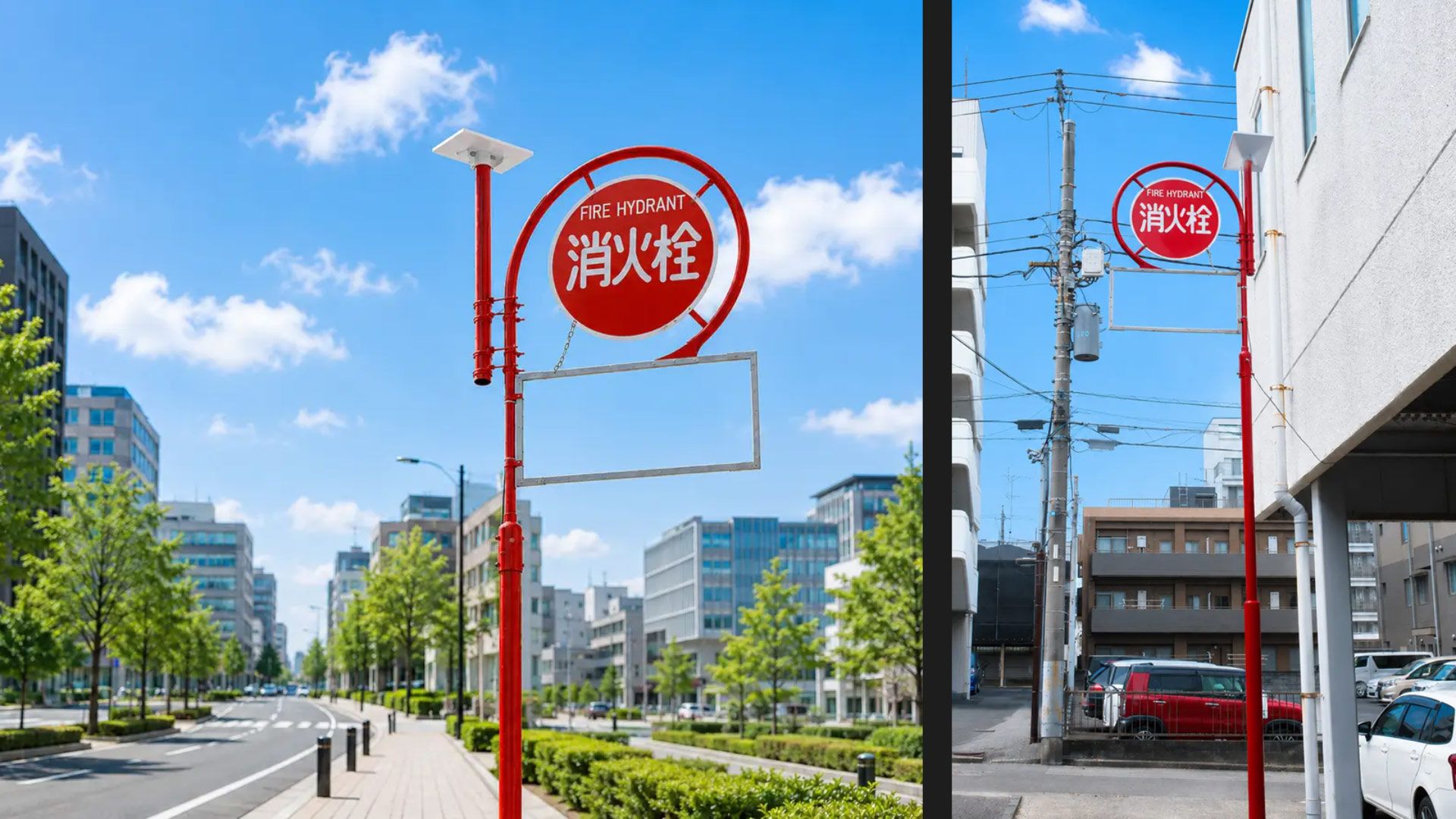
Japan, a nation acutely aware of seismic and meteorological threats, is pioneering a novel approach to emergency communications. Japan’s Fire Hydrant Sign Co., Ltd. has successfully demonstrated an expansive Wi-Fi network that ingeniously integrates its existing, widespread infrastructure of street signs with the powerful connectivity of Starlink satellite broadband antennas. This initiative transforms ubiquitous urban street furniture into a resilient network fallback, capable of providing crucial internet access when traditional communication lines fail during natural disasters.
The core of this innovation lies in repurposing the physical structures that already dot Japan’s urban and suburban landscapes. Fire hydrant signs, typically serving a functional but often overlooked role, are being outfitted with compact Starlink dishes. These signs are strategically located throughout cities, providing a dense and distributed network of potential communication nodes. The logic is straightforward: in the event of an earthquake, typhoon, or other catastrophic event that disrupts cellular towers and landlines, these elevated, robust signposts can quickly establish a Wi-Fi hotspot, offering a vital link to emergency services, public information, and connectivity for affected populations.
The Starlink Integration: Bridging the Gap
Starlink’s low-Earth orbit (LEO) satellite constellation offers a compelling solution for disaster scenarios. Unlike geostationary satellites, LEO satellites provide lower latency and higher bandwidth, making them suitable for real-time communication needs. The miniaturized antennas required for Starlink are also a key enabler for this project, allowing them to be integrated into existing structures without significant modification or visual intrusion. The Fire Hydrant Sign Co. has focused on developing robust mounting solutions and power management systems to ensure the antennas can operate reliably in harsh environmental conditions, even amidst the chaos of a disaster.
The demonstration involved activating multiple sign-mounted Starlink units across a test area, creating a mesh of Wi-Fi signals. This network was then used to provide internet access for simulated emergency response coordination and public information dissemination. The success of this pilot program suggests a scalable model that could be deployed rapidly across other disaster-prone regions. The widespread nature of fire hydrant signs means that the infrastructure is already in place, reducing deployment time and cost compared to building entirely new communication networks from scratch.

Why This Matters: A Paradigm Shift in Disaster Preparedness
Traditional disaster communication strategies often rely on mobile cell towers, which are vulnerable to physical damage and power outages. When these systems go down, communities are left isolated, hindering rescue efforts and access to critical information. This new approach offers a distributed, decentralized, and rapidly deployable alternative. By leveraging existing street-level infrastructure, Japan is creating a communication network that is inherently more resilient and less susceptible to single points of failure.
The concept of using urban furniture as a communication backbone is not entirely new, with discussions around smart lampposts and other street fixtures serving similar purposes. However, the specific integration with fire hydrant signs, coupled with the advanced capabilities of Starlink, presents a particularly practical and efficient solution. Fire hydrant signs are often located at critical intersections and along major routes, ensuring broad coverage. Furthermore, their sturdy construction and established presence mean they are less likely to be overlooked or removed during emergency planning.
The implications extend beyond mere Wi-Fi access. This network could potentially support a range of emergency services, from real-time data streaming for first responders to public alert systems and communication channels for displaced citizens. The ability to quickly establish a reliable internet connection can be a lifeline, enabling coordination, providing access to vital resources, and maintaining a sense of normalcy in otherwise chaotic situations. The project highlights a forward-thinking approach to disaster preparedness, moving beyond incremental improvements to fundamentally rethinking how essential infrastructure can be repurposed for critical needs.
Challenges and Future Outlook
While the initial tests are promising, several challenges remain. Ensuring the long-term durability and maintenance of the Starlink equipment in diverse weather conditions will be crucial. Powering these units reliably, especially during extended outages, will require robust battery backup systems or integration with local power sources where available. Security of these distributed Wi-Fi networks also needs careful consideration to prevent unauthorized access or interference during critical operations. The regulatory landscape for deploying satellite-based communication networks in urban areas will also need to be navigated.
Despite these hurdles, the potential benefits are substantial. This initiative offers a blueprint for other disaster-prone regions worldwide. It demonstrates how forward-thinking companies can collaborate with existing infrastructure providers to create innovative solutions that enhance public safety and resilience. The successful deployment of this system would represent a significant step forward in ensuring that critical communication channels remain open when they are needed most, turning an everyday urban feature into a vital emergency lifeline.