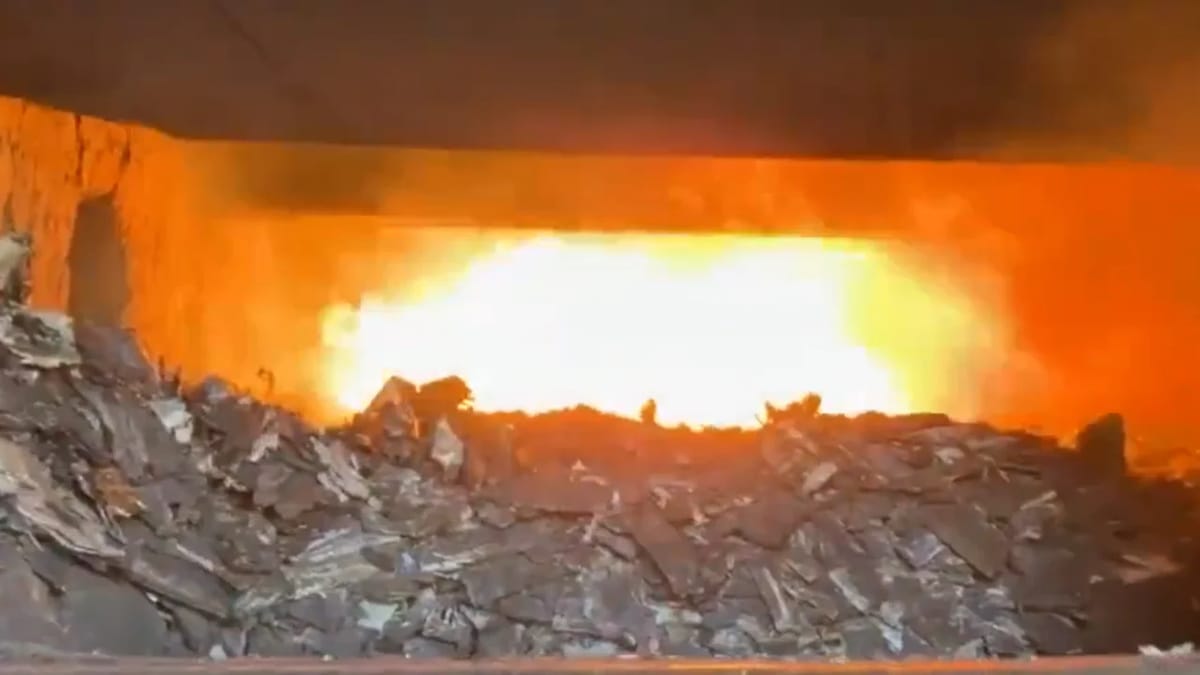
A New Era for EV Battery Recycling
Japan has unveiled a new method for recovering lithium from used electric vehicle (EV) batteries that achieves an unprecedented recovery rate of up to 90%. This breakthrough, developed by researchers, addresses a critical bottleneck in the sustainable expansion of electric mobility. As the global demand for EVs surges, the need for efficient and high-yield recycling processes for their power sources has become paramount. Current recycling methods often struggle with lower recovery rates and can be energy-intensive, making this new development a significant step forward.
The core challenge in recycling EV batteries lies in the complex chemistry and construction of these power packs. Lithium-ion batteries, the dominant technology in EVs, contain a mix of valuable materials including cobalt, nickel, manganese, and lithium, along with graphite and various electrolytes. Extracting these elements, particularly lithium, in a pure and economically viable form has been a persistent hurdle. Traditional methods often involve high-temperature smelting or hydrometallurgical processes that can be inefficient for certain components or generate hazardous byproducts. This new Japanese method appears to overcome some of these limitations, offering a more effective pathway to a circular economy for battery materials.
The Technical Advantage: High Recovery Yields
While specific details of the proprietary process remain under wraps, the reported 90% lithium recovery rate is a substantial improvement over existing technologies. For context, many current commercial recycling operations aim for lithium recovery rates that can range anywhere from 30% to 70%, depending on the battery chemistry and the sophistication of the process employed. Achieving 90% means that a far greater proportion of the valuable lithium within a spent battery can be reclaimed and re-enter the supply chain, reducing the reliance on primary mining operations.
This enhanced efficiency has several critical implications. Firstly, it significantly lowers the environmental footprint associated with EV production. Mining lithium is an extractive process that can be water-intensive and environmentally disruptive. By maximizing the recovery from end-of-life batteries, the need for new mining is reduced, conserving natural resources and minimizing ecological impact. Secondly, it has the potential to improve the economic viability of battery recycling. Higher recovery rates mean more valuable material can be extracted per unit of processed battery, making recycling operations more profitable and thus more widespread. This economic incentive is crucial for scaling up recycling infrastructure globally.
Addressing the Growing E-Waste Challenge
The global fleet of EVs is expanding at an exponential rate. Projections indicate that millions of EV batteries will reach their end-of-life in the coming decade. Without robust and efficient recycling solutions, this presents a looming environmental challenge in the form of battery e-waste. The materials within these batteries, while valuable, can be hazardous if not disposed of properly. Japan's development comes at a critical juncture, offering a proactive solution to manage this anticipated surge in battery waste.
The success of this new method could also influence battery design and manufacturing. As recycling becomes more effective, manufacturers might be incentivized to design batteries that are easier to disassemble and recycle, further streamlining the circular economy. This could involve modular designs, reduced use of adhesives, or standardized components. The ability to recover such a high percentage of lithium also strengthens the case for developing localized battery supply chains, reducing dependence on geographically concentrated raw material sources and the geopolitical risks associated with them.
What This Means for the EV Ecosystem
For the automotive industry, this development signals a potential shift in how battery supply chains are managed. A robust recycling infrastructure can act as a supplementary source of battery materials, stabilizing prices and ensuring a more consistent supply. This is particularly important given the price volatility and supply constraints that have plagued critical battery minerals in recent years.
The researchers behind this innovation are likely focused on scaling up the process from laboratory to industrial levels. The transition from a lab-scale demonstration to a commercial operation involves significant engineering challenges, including handling large volumes of batteries, ensuring safety protocols, and integrating the process into existing waste management streams. However, the promise of recovering up to 90% of lithium provides a powerful incentive for investment and further development. This advancement positions Japan as a potential leader in the next generation of battery recycling technologies, contributing significantly to the global effort to create a truly sustainable EV ecosystem.