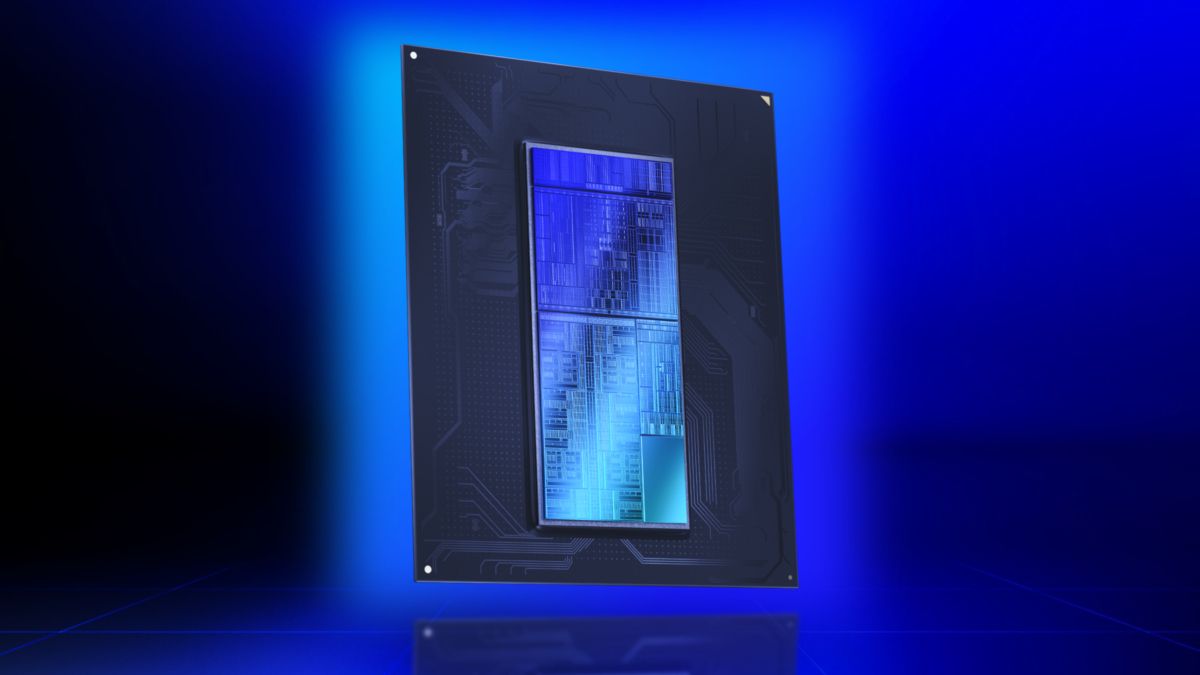
Intel's Nova Lake-S Lineup Expands with New 22-Core SKUs
Intel is reportedly preparing to expand its upcoming Nova Lake-S desktop processor lineup with two new 22-core SKUs. These processors are expected to feature a significant amount of last-level cache (LLC), with sources suggesting up to 144MB. This move appears to be a strategic effort to bolster gaming performance, a segment where Intel has historically competed fiercely.
The Nova Lake-S architecture, expected to succeed the current Arrow Lake generation, is anticipated to bring architectural improvements and potentially new core designs. The inclusion of such a large cache, often referred to as 'game-boosting cache' in industry parlance, is a direct indicator of Intel's focus on delivering superior gaming experiences. Larger caches can significantly reduce memory latency by keeping more frequently accessed game data closer to the CPU cores, leading to higher frame rates and smoother gameplay, especially in CPU-bound scenarios.
Details emerging from industry leaks suggest two distinct variants of this 22-core processor. One is rumored to be a locked 65W part, designed for mainstream users and pre-built systems where power efficiency and thermal management are paramount. The other is an unlocked 125W variant, targeting enthusiasts and gamers who prioritize maximum performance and are willing to invest in robust cooling solutions and motherboards capable of handling higher power draws and overclocking. Both are slated to fall under the Core Ultra 5 tier, which might indicate Intel's strategy to position these high-cache, high-core-count parts as premium offerings within the mid-range segment, or perhaps as a new tiering strategy altogether.
Architectural Considerations and Cache Technology
The specifics of how Intel plans to implement this substantial cache are still under wraps, but it's likely to involve advancements in their cache hierarchy. For years, AMD has leveraged large L3 caches, particularly with its 3D V-Cache technology, to gain a competitive edge in gaming. Intel's potential move to a 144MB LLC on a 22-core chip suggests a direct response to this competitive landscape. This could involve a new cache structure or an enhancement of existing technologies, perhaps integrated directly onto the CPU tile or through a separate cache die.
A 22-core configuration on a single tile is also noteworthy. Current Intel architectures often employ a hybrid design with performance (P-cores) and efficient (E-cores). A 22-core design could represent a significant number of P-cores, or a mix that leans heavily towards P-cores to maximize gaming throughput. The designation as 'single-tile' implies a monolithic or near-monolithic design for this particular chip, which can have implications for manufacturing yields and cost, but also potentially for latency compared to chiplet designs.
The Core Ultra branding, currently associated with Intel's mobile processors featuring integrated NPUs (Neural Processing Units) for AI acceleration, appearing on a desktop SKU is an interesting development. It suggests a potential unification of branding across Intel's product lines, or a specific focus on AI capabilities integrated into these new desktop chips. However, the primary driver for the large cache remains gaming performance, indicating that while AI features might be present, they are not the headline selling point for these particular SKUs.
Market Positioning and Competitive Landscape
If these rumors prove true, Intel's strategy with these 22-core Nova Lake-S processors would be to offer a compelling alternative to AMD's Ryzen processors, particularly those optimized for gaming. The 125W unlocked version would directly challenge high-end gaming CPUs, while the 65W locked variant could appeal to a broader audience seeking strong gaming performance without the need for extreme overclocking capabilities or the associated power and cooling requirements.
The positioning within the Core Ultra 5 tier is perhaps the most enigmatic aspect. Typically, Core Ultra 5 would suggest a mid-range performance tier. However, a 22-core processor with 144MB of cache sounds like it belongs in a higher echelon. This could mean that Intel is redefining its tiering strategy, or these specific SKUs are intended to offer exceptional value by providing near-flagship cache and core counts at a more accessible price point than their higher-tier counterparts. It's also possible that the '5' designation relates to the specific blend of P-cores and E-cores, or the presence of integrated graphics and AI accelerators, rather than a direct comparison to previous Core i5 generations.
What remains to be seen is how these new SKUs will perform against existing and upcoming competition. The success of these processors will hinge not only on their raw specifications but also on their actual gaming benchmarks, power efficiency, and price-to-performance ratio. Developers of games and performance monitoring tools will be keenly watching to see how these chips leverage their enhanced cache capabilities, potentially requiring new optimization strategies to extract maximum performance.