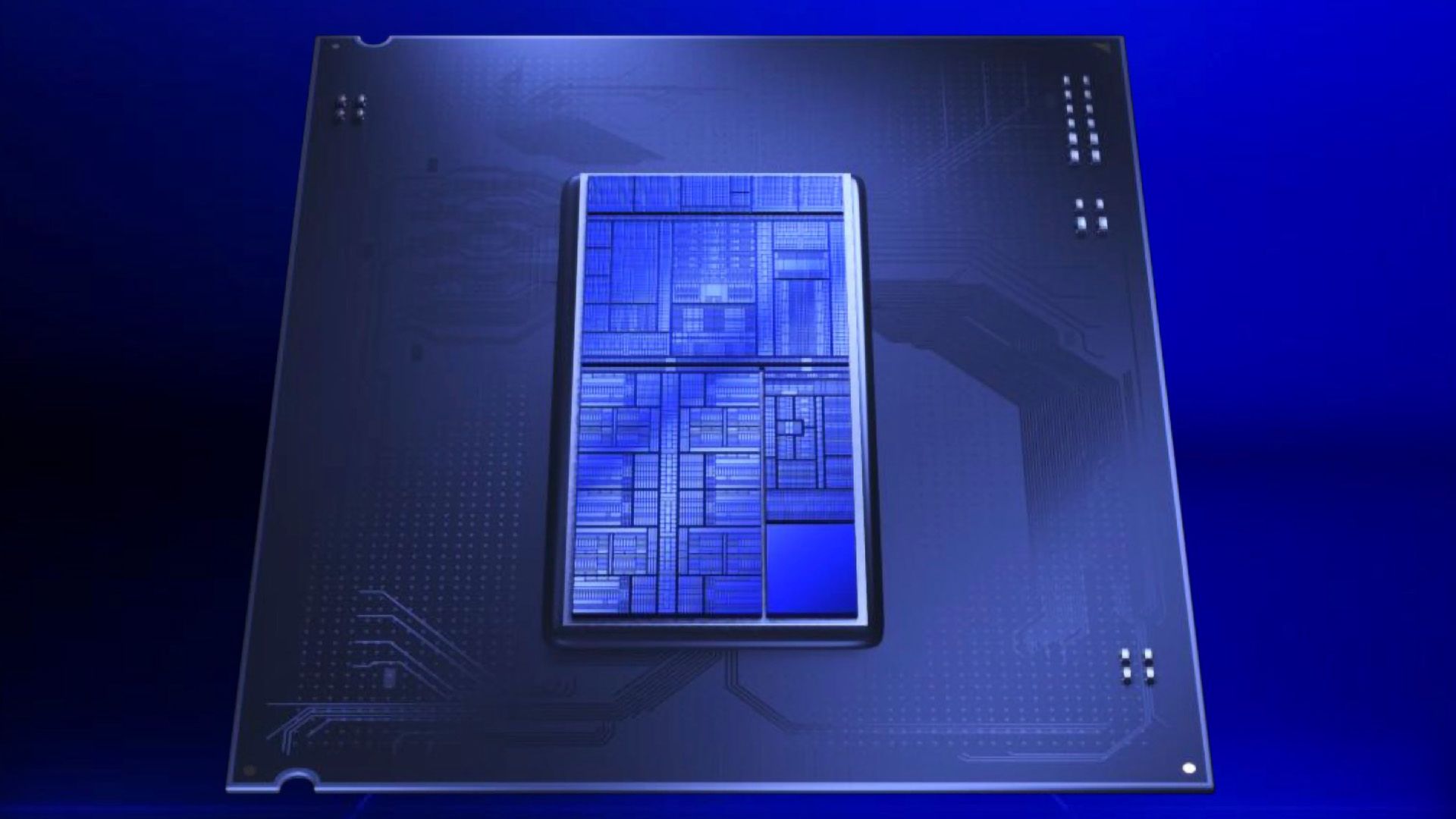
Intel Confirms Price Increases for Key CPU Lines
Intel has officially confirmed price increases for several of its central processing units, impacting both consumer and server markets. The hikes are attributed to a confluence of factors, including escalating supply chain costs and robust market demand. Notably, some of Intel's high-end Xeon processors for servers are now seeing price jumps exceeding $1,000, signaling a significant shift in the cost of high-performance computing components.
The company has acknowledged that these adjustments affect specific product lines, including the upcoming Core Ultra 200S Plus series for consumers and the Xeon 6 processor family for data centers and enterprise applications. This move by Intel is a clear indicator of the current economic pressures facing semiconductor manufacturers and their downstream customers. The semiconductor industry has been navigating a complex landscape of material shortages, increased manufacturing expenses, and a surge in demand for advanced processing power, particularly for AI and high-performance computing workloads.
Intel's decision to implement these price hikes is not an isolated event but rather a response to broader market dynamics. For years, the industry has grappled with the challenges of scaling production to meet ever-growing technological needs. The COVID-19 pandemic exacerbated these issues, disrupting global supply chains and leading to significant cost escalations for raw materials, manufacturing, and logistics. Coupled with a recent upswing in demand, driven by advancements in AI and a general recovery in enterprise IT spending, semiconductor companies are now recalibrating their pricing strategies to reflect these new realities.
The specific mention of the Xeon 6 processors indicates a strategic focus on the server market, where demand for powerful and efficient CPUs is particularly high. Data centers are continuously expanding their capacity to handle massive datasets and complex computations, making CPUs a critical bottleneck and a significant cost center. An increase of over $1,000 on some Xeon models suggests that Intel is either facing substantial cost pressures in producing these advanced chips or is strategically positioning its premium offerings in a high-demand, high-margin segment.
Factors Driving the Price Adjustments
Intel's official statement points to two primary drivers: rising supply costs and soaring demand. The cost of raw materials, including silicon wafers, rare earth elements, and specialized chemicals, has seen a steady increase. Furthermore, the sophisticated manufacturing processes required for cutting-edge CPUs involve immense capital investment in fabrication plants (fabs) and advanced lithography equipment, the costs of which are passed on to consumers. Energy costs, critical for operating these energy-intensive fabs, have also contributed to the overall expense of production.
On the demand side, the market for high-performance computing, AI, and data analytics has exploded. The proliferation of AI models, machine learning applications, and the ever-increasing volume of data generated globally necessitate more powerful and efficient processors. Intel's server CPUs, particularly the Xeon line, are designed to meet these demanding requirements, powering everything from cloud infrastructure to scientific research. The company is likely experiencing unprecedented demand for its latest architectures, allowing it to command higher prices.
For the consumer market, the Core Ultra 200S Plus processors, while perhaps not seeing the same magnitude of price increase as server counterparts, are also subject to these market pressures. This indicates a company-wide strategy to adjust pricing across its portfolio to maintain profitability and fund future research and development in an increasingly competitive landscape. The timing of these announcements, ahead of new product launches, suggests a pre-emptive adjustment rather than a reactive one.
Market Implications and Competitive Landscape
These price increases by Intel have significant implications for its competitors, such as AMD and potentially NVIDIA in the server space. AMD, which has been aggressively gaining market share with its EPYC server processors and Ryzen consumer CPUs, may find an opportunity to either maintain its current pricing or offer more competitive bundles. However, AMD also faces similar supply chain and demand pressures, so its response will be closely watched.
For businesses and consumers, the price hikes translate to increased costs for new hardware. Companies looking to upgrade their server infrastructure or expand their data center capacity will need to budget more for Intel's latest offerings. This could lead to a re-evaluation of total cost of ownership (TCO) and potentially a greater consideration of alternative solutions or a slower upgrade cycle. For consumers, particularly gamers and creative professionals who rely on high-end CPUs, the cost of new PC builds may become prohibitive, potentially impacting sales volumes for enthusiast-grade hardware.
The broader trend in the semiconductor industry is one of increased pricing power for manufacturers of advanced chips. As the complexity and cost of developing next-generation silicon continue to rise, and demand remains exceptionally strong, particularly for AI-related applications, companies like Intel are leveraging this market position. This could set a precedent for future pricing strategies across the industry, making high-performance computing components a more significant investment than ever before.
Looking Ahead: The Future of CPU Pricing
Intel's confirmation of these price increases underscores the ongoing challenges and opportunities within the semiconductor sector. The company's ability to raise prices on key product lines, especially in the high-margin server market, suggests a strong product roadmap and a confident outlook on future demand. However, it also places a burden on its customers, who must absorb these increased costs.
The long-term impact will depend on several factors: the sustained level of demand for AI and high-performance computing, the competitive responses from rivals like AMD, and Intel's own ability to manage its supply chain costs and production yields. For developers and IT professionals, understanding these pricing shifts is crucial for future hardware procurement and strategic planning. The era of ever-cheaper computing power may be facing a significant recalibration, driven by the fundamental economics of advanced chip manufacturing and insatiable market appetite.