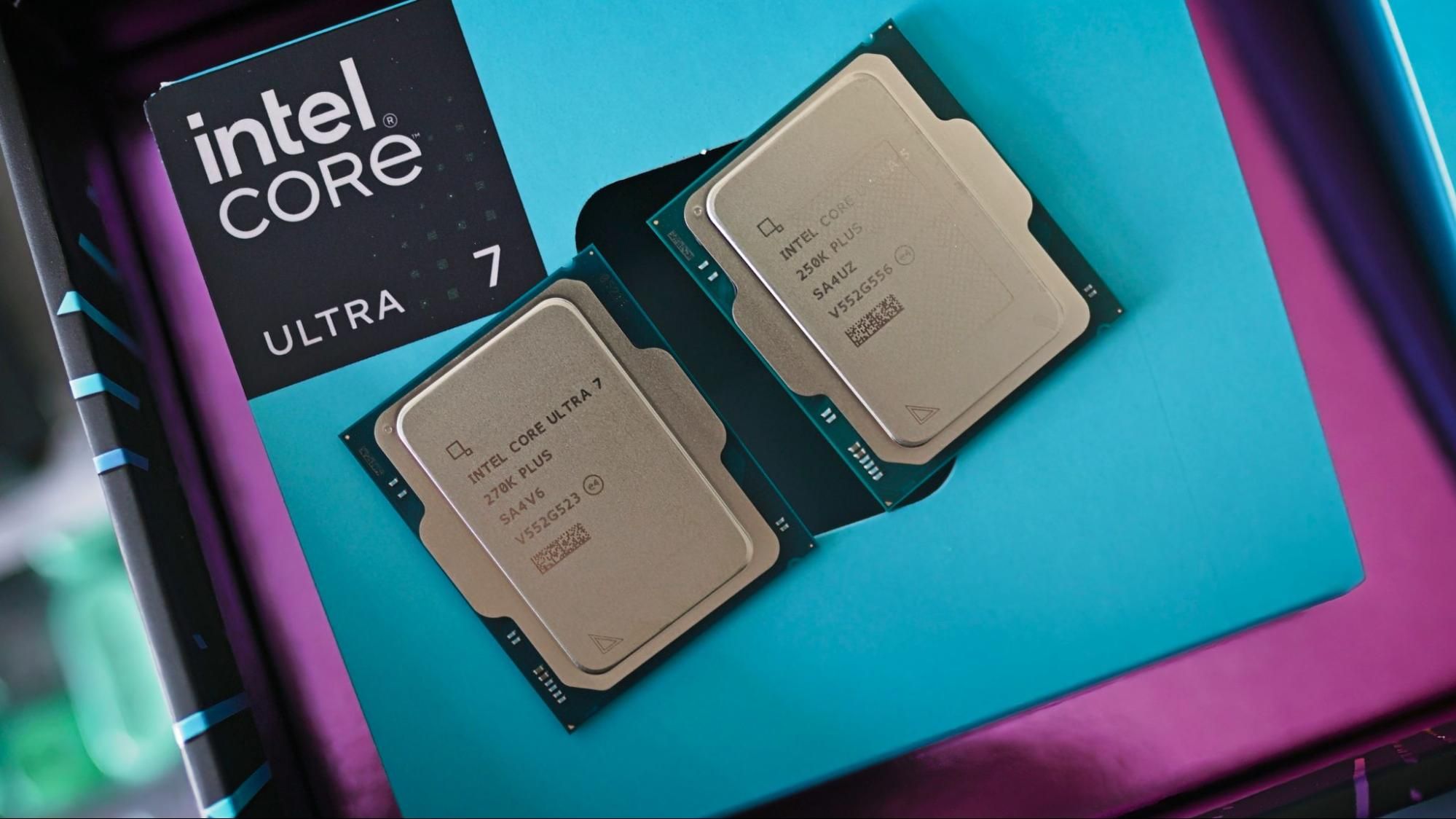
Intel's Flagship Desktop CPUs See Price Hikes
Intel has quietly updated pricing for its top-tier desktop processors, the Core Ultra 270K Plus and 250K Plus, marking a notable increase from their initial launch prices in March. The official product pages now list the 270K Plus at up to $349 and the 250K Plus at up to $229. This represents a substantial jump of up to $50 for the higher-end SKU, a move that could impact the cost of high-performance desktop PCs for consumers and system integrators alike.
These processors, part of Intel's Arrow Lake Refresh lineup, were positioned as strong contenders in the enthusiast desktop segment. The price adjustment, however, shifts their market positioning and potentially their value proposition. While the exact retail prices can fluctuate based on channel partners and specific configurations, these official recommended prices set a new baseline that is considerably higher than before. This decision comes at a time when the PC market is still navigating fluctuating demand and component costs, making any increase in core component pricing a point of concern for many.
The Core Ultra 270K Plus, previously understood to be priced more competitively, now sits at a higher recommended price point, making it a more significant investment for users seeking top-tier Intel performance. Similarly, the 250K Plus also sees a price escalation. These chips are designed for users who demand high clock speeds, advanced integrated graphics capabilities, and support for the latest platform technologies. The price hike could lead some consumers to re-evaluate their upgrade paths or consider alternative offerings from competitors.
Market Implications and Competitive Landscape
Intel's decision to increase prices on its flagship desktop chips, even if framed as recommended prices on official pages, sends a signal about the company's strategy and market outlook. It suggests a confidence in the demand for these specific processors, or perhaps a need to adjust margins in response to evolving production costs or R&D investments. For system builders, this means a higher bill of materials for high-end custom PCs, which will inevitably be passed on to the end consumer.
This price adjustment also sharpens the competitive focus. AMD's Ryzen processors have consistently offered strong performance and competitive pricing in the desktop segment. With Intel's flagship chips becoming more expensive, the perceived value of AMD's offerings may increase for budget-conscious or performance-per-dollar focused buyers. Competitors will likely leverage this pricing shift in their marketing, highlighting the cost-effectiveness of their own solutions. The exact impact will depend on how widely these new recommended prices are adopted by etailers and the actual street prices that emerge in the coming weeks and months.
The broader PC component market has seen its share of volatility. Following pandemic-era supply chain disruptions and a subsequent slowdown in demand, manufacturers are recalibrating their product strategies and pricing. Intel's move could be an indicator of a broader trend, or it could be a specific tactical adjustment for its high-margin enthusiast products. It's also worth considering the ongoing technological race; as new architectures and features are introduced, the cost of cutting-edge silicon often reflects the advanced manufacturing processes and intellectual property involved. However, a $50 increase on already premium products is a significant enough shift to warrant attention from anyone planning a new high-performance desktop build.
What This Means for Builders and Consumers
For PC builders and enthusiasts planning a new system, this price increase necessitates a careful re-evaluation of component choices. The gap between Intel's higher-end offerings and competitive options from AMD may widen, potentially influencing purchasing decisions. Users who were set on Intel's latest flagship might now face a decision: absorb the higher cost, opt for a slightly lower-tier Intel chip, or pivot to a comparable AMD processor. The $349 price tag for the 270K Plus, for instance, places it firmly in the premium segment, demanding a commensurate level of performance and features to justify the investment.
The timing of this price update, occurring after the initial launch buzz has subsided, is also noteworthy. It suggests that the initial pricing may have been an introductory offer, or that Intel is adjusting based on market reception and production realities. Regardless of the underlying reasons, the consequence for the market is clear: building a top-of-the-line Intel desktop PC has just become more expensive. This could also influence the used market, as older, more affordably priced CPUs might see sustained or increased interest from budget-conscious buyers. The success of this pricing strategy will ultimately be measured by sales volume and market share in the coming quarters.
The move also highlights the premium nature of Intel's latest architectures. The Core Ultra series, particularly the Plus variants, are intended to offer a blend of high CPU performance, integrated AI acceleration, and advanced graphics capabilities. The increased pricing suggests Intel believes these features command a higher value in the current market. However, the PC hardware landscape is intensely competitive, and consumers have more choices than ever. Whether this price hike proves sustainable will depend on Intel's ability to continue delivering compelling performance and innovative features that justify the premium cost to its target audience.