Instagram Introduces 'Replace Audio' for Evolving Content
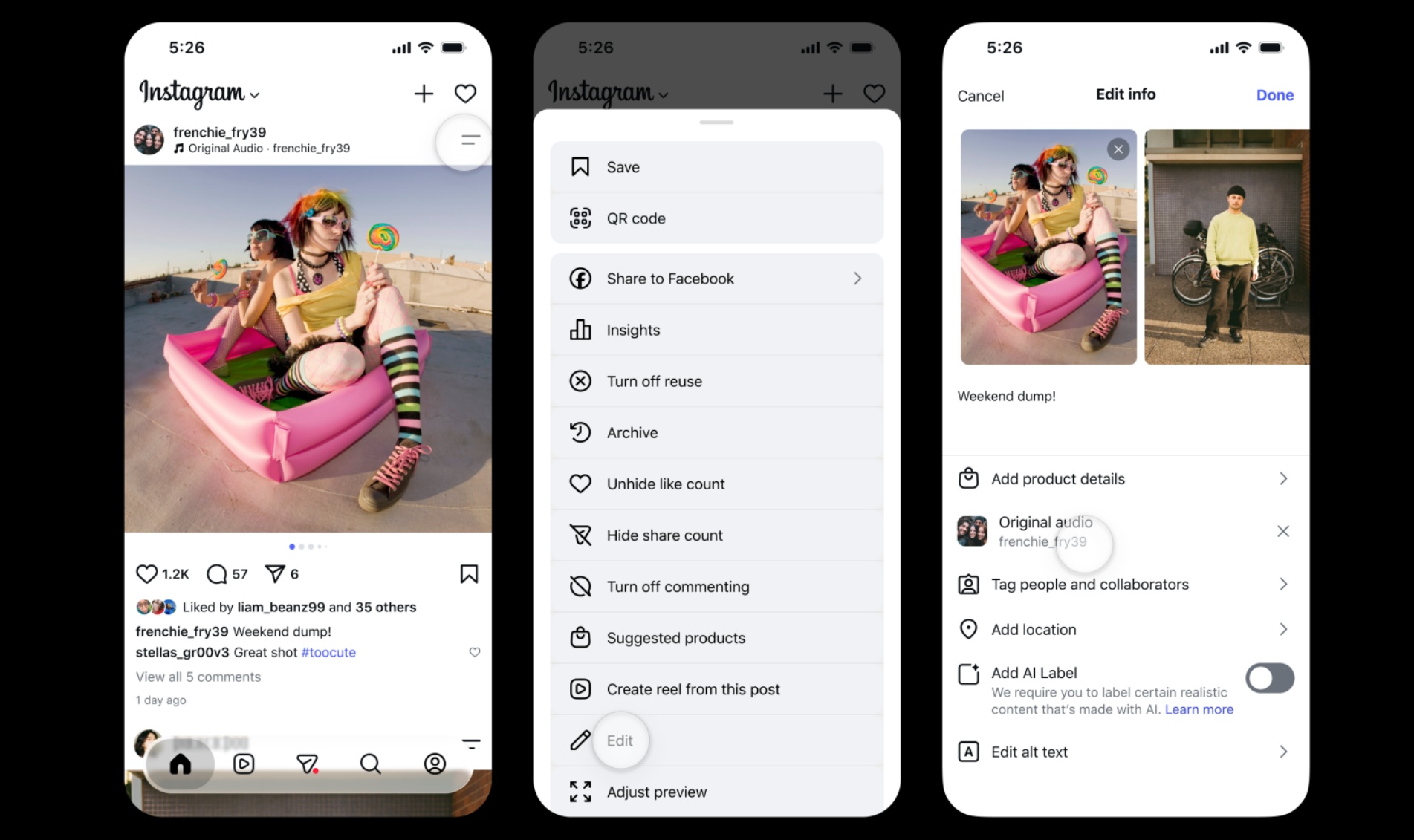
Instagram users can now update the background music on their existing video posts without sacrificing any of the engagement metrics they’ve already accumulated. Meta has rolled out a new feature called “Replace Audio,” designed to give creators more flexibility and longevity for their content. This tool allows for the complete swapping out of the original audio track from a post, enabling users to refresh older videos with new trending sounds or simply update music that has become dated.
The availability of this feature is global, meaning all Instagram creators can now access it. Crucially, when a user chooses to edit the audio within a post using this new tool, the video’s existing likes, view counts, and overall reach will remain unaffected. This is a significant quality-of-life improvement for creators who might want to repurpose older content or adapt it to current trends without the penalty of losing established engagement data. Imagine a video posted two years ago featuring a song that was popular then; now, that same video can be updated with a current hit track, potentially re-engaging its audience and reaching new viewers, all while keeping its original performance intact.
The implications for content strategy are substantial. Creators often face the dilemma of whether to delete and re-upload content with updated audio, thereby losing valuable social proof, or to let older content languish with outdated sound. Replace Audio elegantly sidesteps this problem. It acts as a form of content lifecycle management, allowing for organic updates rather than forced reboots. This is particularly relevant in the fast-paced world of social media, where trends in music and audio clips can shift dramatically in a matter of months.
Preserving Engagement: The Core Value Proposition
The technical implementation of Replace Audio ensures that the video's core components – its visual elements and its associated metadata like likes, shares, and comments – are preserved. Only the audio layer is targeted for modification. This is a subtle but powerful distinction from simply editing a video and re-uploading it. When a video is re-uploaded, it is treated by the platform’s algorithms as a new piece of content, starting its engagement journey from zero. With Replace Audio, the platform recognizes the content as the same entity, carrying over its established performance metrics.
This preservation of engagement data is akin to renovating a house without demolishing its foundation. The structure – the likes, views, and reach – remains solid, while the aesthetics or functional elements – the audio – can be updated to suit modern tastes or new purposes. For creators who have invested significant time and effort into building an audience and generating engagement on their posts, this feature offers a way to continue leveraging that existing social capital without risk.
Consider a creator who relies on Instagram for their primary income. Their older videos might still be discoverable through search or explore pages, but if the audio is jarringly out of date, potential new viewers might scroll past. By using Replace Audio, they can ensure that their entire back catalog remains relevant and appealing. This is not just about aesthetics; it’s about maximizing the long-term discoverability and impact of every piece of content published on the platform.
Strategic Implications for Creators and the Platform
For creators, this feature unlocks new avenues for content repurposing and evergreen strategy. Instead of creating entirely new videos to capitalize on a trending audio clip, they can now revisit their archives. This reduces the pressure to constantly produce novel visual content and allows for more strategic use of existing assets. It also means that older, high-performing videos can be given a new lease on life, potentially resurfacing and driving further engagement months or even years after their initial posting.
From Instagram's perspective, this feature serves multiple purposes. Firstly, it enhances user experience by providing tools that address common creator pain points. Secondly, it encourages creators to keep their content fresh and engaging, which in turn keeps users on the platform longer. By making it easier to update content, Instagram is implicitly promoting a more dynamic and evolving content library. This could lead to increased watch times and overall platform stickiness.
The feature also subtly nudges creators towards using audio that is more current or in line with platform trends, potentially increasing the use of licensed music or trending sounds available within Instagram’s library. This can have downstream effects on music licensing and the discoverability of artists on the platform. The ability to swap audio without penalty means that the visual content itself becomes more durable, with its success less tied to the ephemeral nature of a single audio trend.
What nobody has addressed yet is how this feature might impact the platform's content moderation systems. If the visual content remains the same, but the audio is changed, how does this affect the interpretation of a video's overall message or compliance with community guidelines? For instance, a video with innocuous visuals could be paired with a problematic audio clip. While the likes and views remain, the content's nature could be fundamentally altered, posing new challenges for Meta's AI and human moderation teams.