
Insta360 X6: The All-in-One Creator Tool
Insta360 has launched the X6, a device aiming to consolidate multiple creator tools into a single, portable unit. This new offering positions itself as a comprehensive solution for content creators, photographers, and developers by integrating 360-degree video recording, advanced gimbal stabilization, and 3D scanning functionalities. The move signals a broader trend in the market toward multi-functional devices that reduce the need for separate, specialized equipment, potentially streamlining workflows and lowering entry barriers for complex content creation.
The core innovation of the Insta360 X6 lies in its convergence of distinct technologies. Traditionally, capturing high-quality 360-degree video required dedicated cameras, often with complex stitching processes. Achieving smooth, stabilized footage typically demanded a separate gimbal system, adding bulk and setup time. Furthermore, 3D scanning, a rapidly growing field for virtual reality, augmented reality, and digital twin creation, has historically relied on specialized hardware and software. The X6 attempts to bridge these gaps, offering a unified platform for capturing immersive content, dynamic action shots, and spatial data.
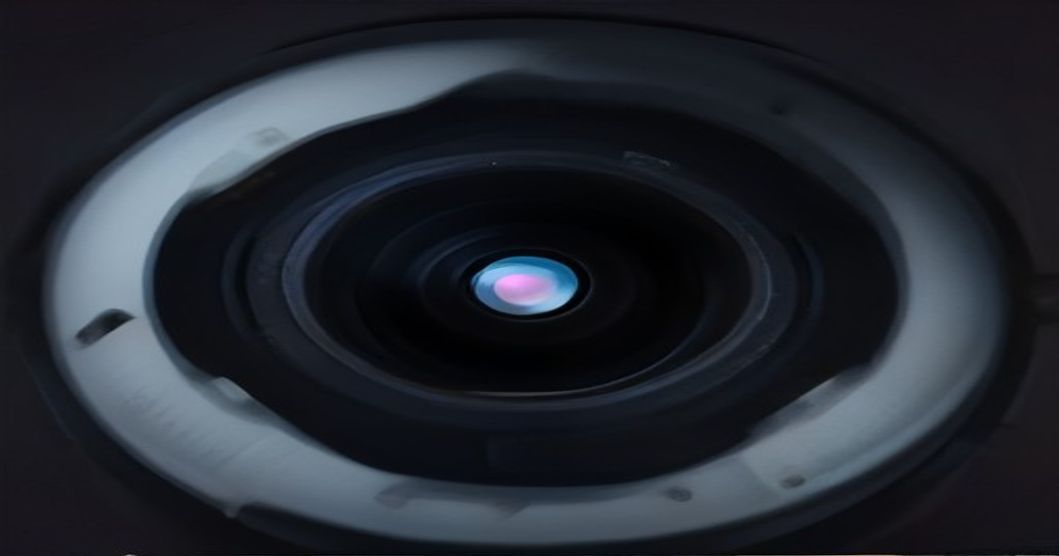
Integrated 360-Degree Capture and Gimbal Stabilization
The 360-degree camera aspect of the X6 is designed to capture immersive spherical video and photos. This capability is crucial for virtual tours, VR experiences, and dynamic action footage where the viewer can look in any direction. What sets the X6 apart is its built-in gimbal stabilization. This eliminates the need for a separate gimbal, a significant advantage for creators who prioritize portability and speed. The stabilization technology promises to deliver smooth, professional-looking footage even during movement, such as running, cycling, or driving. This integration is akin to having a professional camera crew follow your every move, but in a device that fits in your pocket.
The implications for action sports videography, travel vlogging, and event coverage are substantial. Creators can now capture sweeping 360 vistas with the stability of a professional rig, all from a single device. This reduces the complexity of multi-camera setups and post-production work, such as syncing multiple footage sources and stabilizing them individually.
3D Scanning Capabilities for Spatial Data
Beyond video and photography, the Insta360 X6 incorporates 3D scanning functionality. This feature allows users to capture the geometry and texture of real-world objects and environments, creating digital 3D models. This capability opens up a new realm of applications for the device. Architects and real estate agents could use it for creating virtual property tours. Game developers and VFX artists can scan assets for digital environments. Even hobbyists can use it to digitize physical objects for 3D printing or virtual display. The integration of 3D scanning into a consumer-level device suggests a democratization of spatial computing technologies, making them more accessible to a wider audience.
The technical approach to 3D scanning in such a compact device likely involves sophisticated photogrammetry techniques, possibly enhanced by depth sensors or LiDAR, though specific details on the scanning hardware and software remain to be fully detailed by Insta360. The challenge will be balancing the accuracy and resolution of the scans with the device's form factor and power constraints. If successful, the X6 could become a go-to tool for rapid 3D content creation, allowing for quick scans on-site without the need for cumbersome, dedicated scanning equipment.
Market Positioning and Competitive Landscape
The Insta360 X6 enters a market where specialized devices have long dominated. While other companies offer 360 cameras and others provide gimbals, the combination of these with a 3D scanner in a single, consumer-friendly package is a bold move. Competitors in the 360 camera space include GoPro (with its MAX line) and Ricoh. Gimbal manufacturers like DJI offer advanced stabilization systems. 3D scanning hardware is typically more specialized, ranging from professional-grade scanners to smartphone apps that use existing cameras and sensors. The X6's value proposition lies in its ability to replace several of these devices, appealing to creators seeking efficiency and versatility.
The success of the X6 will depend on its ability to deliver on the promise of each of its integrated functions. Users will scrutinize the quality of the 360 footage, the effectiveness of the gimbal stabilization, and the accuracy and usability of the 3D scanning. Furthermore, the software ecosystem, including editing tools and cloud services for managing 3D models, will be critical. If Insta360 can effectively integrate these disparate technologies into a seamless user experience, the X6 could set a new standard for creator hardware, pushing competitors to innovate in similar directions.
The Unanswered Question: Workflow Integration
While the hardware integration is impressive, a key question remains: how seamlessly do these distinct functions integrate into a cohesive workflow? For example, can a user easily transition from capturing a 360-degree action sequence to scanning a nearby object without significant reconfigurations or software changes? The true value of such a multi-tool device will be realized not just in its individual capabilities, but in how efficiently creators can leverage all of them within a single project. The user interface, companion app, and editing software will be paramount in determining whether the X6 becomes an indispensable tool or a collection of underutilized features.
Insta360 has a history of pushing boundaries in the action camera and 360 camera markets. With the X6, they are betting on the increasing demand for versatile, all-in-one solutions for a diverse range of digital content creation needs. The device represents a significant step towards simplifying the tools creators use, potentially democratizing advanced capture and scanning technologies further.