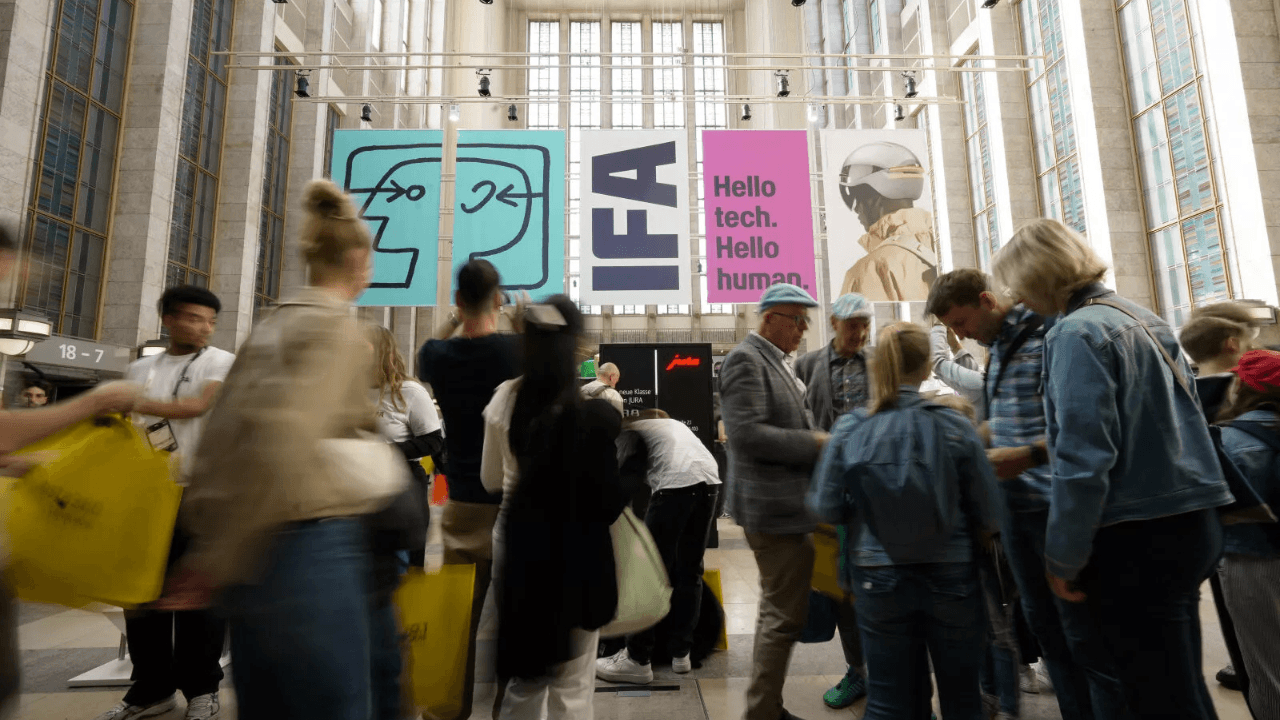
IFA 2026: A Shifting Focus Beyond Gadgets
IFA, Berlin's answer to CES, once again opened its doors to a dizzying array of consumer electronics. While the familiar hum of new televisions and the inevitable march of smart home devices were present, this year’s show felt different. Beyond the novelty of robot dogs and advanced AV equipment, a distinct trend emerged: European startups are increasingly focused on integrating technology into the fabric of daily life, emphasizing personal well-being, sustainable practices, and genuinely useful connectivity. The show floor, a sprawling testament to innovation, revealed a maturing tech ecosystem across the continent, moving beyond pure gadgetry towards solutions that address real-world needs.
This pivot is not just about incremental improvements; it's about rethinking how technology interacts with us. From personalized health monitoring that seamlessly integrates into our routines to smart home solutions that prioritize energy efficiency and user privacy, the startups exhibiting at IFA 2026 signal a deliberate move towards more meaningful technological integration. This year, the focus wasn't solely on the 'wow' factor of a new device, but on the 'how'—how these innovations can genuinely enhance our lives, reduce our environmental impact, and offer greater control and insight.
Health and Wellness Take Center Stage
The most striking development at IFA 2026 was the sheer volume and sophistication of health and wellness technology presented by European startups. Gone are the days of simple fitness trackers; attendees were greeted by comprehensive health monitoring systems, often leveraging AI and advanced sensor technology to provide a holistic view of user well-being. Companies are now aiming to move beyond reactive health management to proactive wellness, offering insights that can prevent issues before they arise.
One notable area was personalized sleep technology. Startups are developing smart mattresses and bedside devices that not only track sleep patterns but also adjust environmental factors like temperature and ambient sound in real-time to optimize sleep quality. This goes beyond basic sleep tracking to active sleep enhancement, a significant leap forward. Imagine a system that learns your sleep cycles and subtly adjusts your room's microclimate to ensure you achieve deeper, more restorative sleep. This level of personalization, powered by sophisticated algorithms and sensor fusion, represents a new frontier in consumer health tech.
Beyond sleep, the show highlighted advancements in remote patient monitoring and preventative health. Several startups showcased wearable devices and home-based diagnostic tools that can continuously monitor vital signs, detect early indicators of chronic diseases, and alert users or healthcare providers to potential issues. These systems are designed for ease of use, often featuring intuitive interfaces and discreet form factors, making advanced health monitoring accessible to a wider demographic, including the elderly and those with existing conditions. The integration of AI for anomaly detection and predictive analytics is a common thread, transforming raw data into actionable health insights.
Smart Home Evolves Towards Sustainability and Privacy
The smart home, a perennial feature at IFA, also saw a significant evolution. While convenience and automation remain key, European startups are increasingly prioritizing sustainability and user privacy. The focus has shifted from simply connecting devices to creating intelligent ecosystems that manage energy consumption efficiently and protect user data rigorously.
Several companies presented innovative solutions for energy management within the home. These include smart thermostats that go beyond pre-set schedules to learn household occupancy patterns and optimize heating and cooling in real-time, significantly reducing energy waste. Others showcased smart plugs and appliance controllers that monitor energy usage at a granular level, providing users with detailed reports and automated suggestions for reducing their carbon footprint. The underlying technology often involves advanced machine learning models trained on anonymized data, ensuring that personal usage patterns are not exposed.
Privacy was another recurring theme. In response to growing consumer concerns, many startups are adopting a privacy-first design philosophy. This often means processing data locally on the device or within the home network, rather than sending sensitive information to cloud servers. End-to-end encryption for all communications and transparent data usage policies were frequently highlighted. This approach is crucial for building trust in the connected home, especially as devices collect more intimate data about our daily lives. The surprising detail here is not the sophistication of the AI, but the industry-wide commitment to placing privacy at the forefront of product development, a marked departure from earlier trends.
Connectivity, AI, and the Future of Everyday Tech
Underpinning these advancements is a continued push in connectivity and artificial intelligence. Startups are leveraging the latest in Wi-Fi, Bluetooth, and emerging low-power wide-area network (LPWAN) technologies to ensure robust and reliable communication between devices. The goal is to create a seamless, almost invisible network of connected products that work in concert to enhance user experience.
AI is not just a buzzword; it's the engine driving many of these innovations. From predictive health analytics and personalized sleep optimization to intelligent energy management and proactive home security, AI is enabling devices to learn, adapt, and anticipate user needs. This is moving beyond simple voice commands to a more intuitive and context-aware interaction with technology. Think of your smart home not just as a collection of appliances, but as an intelligent assistant that understands your routines and preferences, subtly optimizing your environment for comfort, health, and efficiency.
The startups present at IFA 2026 demonstrate a clear vision for the future of consumer technology: one that is deeply integrated into our lives, focused on tangible benefits like health and sustainability, and built on a foundation of user privacy and trust. As these companies mature and their technologies become more widespread, we can expect a significant shift in how we interact with the devices that shape our daily experiences.