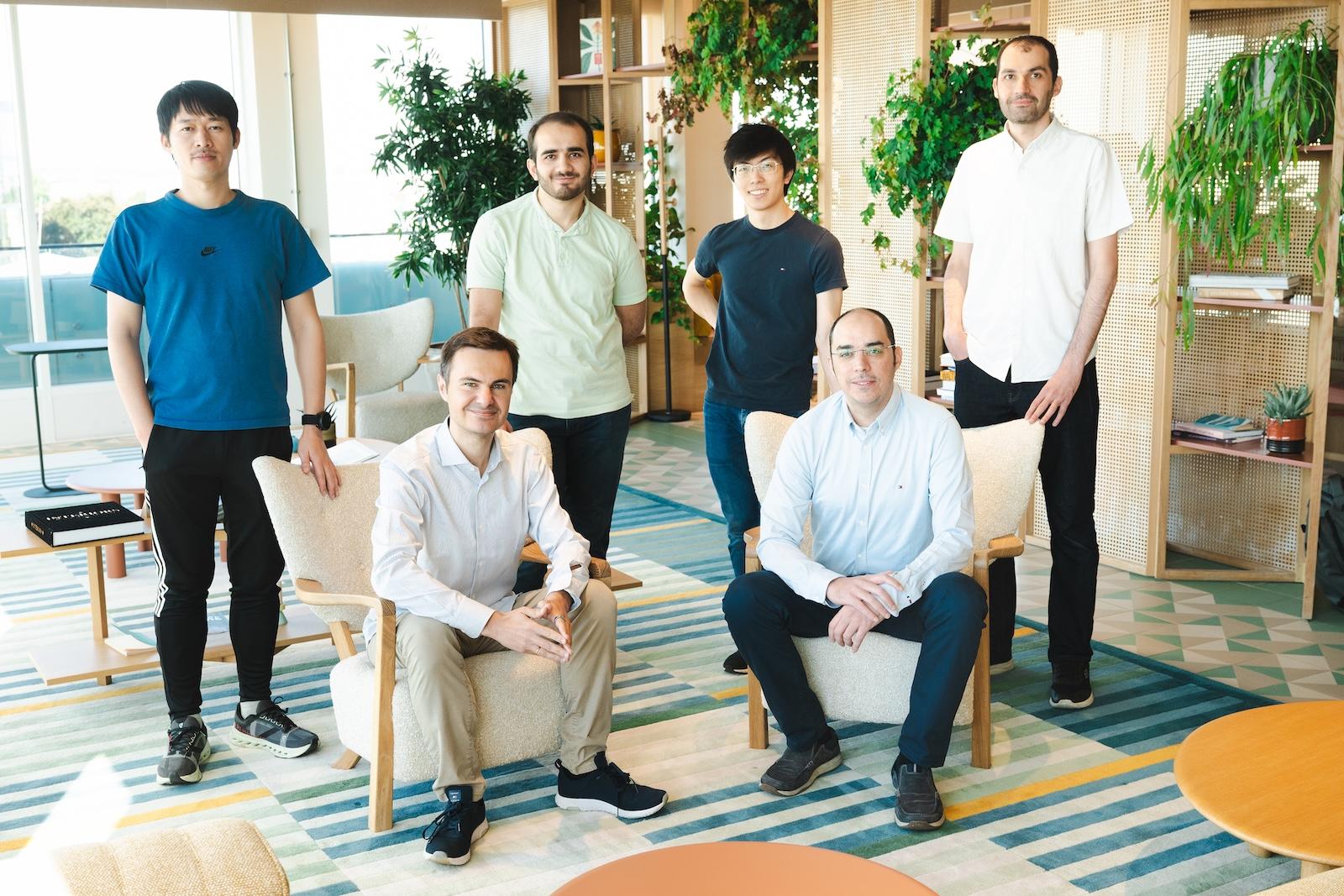
The DeepMind Exodus Fuels European AI Innovation
A notable trend is emerging across Europe's tech landscape: a significant number of artificial intelligence startups are being founded and led by alumni of DeepMind, Google's pioneering AI research lab. This influx of talent, often referred to as the "DeepMind mafia," is not just a matter of personnel but is increasingly tied to substantial financial backing. Venture capital firms are pouring billions into these ventures, recognizing the deep technical expertise and proven track record these individuals bring from their time at one of the world's foremost AI research institutions. This phenomenon is reshaping the European AI ecosystem, creating hubs of innovation and competition.
The influence of DeepMind's culture and technical rigor is palpable. Many of these former researchers are leveraging their experience to tackle complex AI challenges, often focusing on areas where DeepMind itself has made significant contributions, such as reinforcement learning, large language models, and generative AI. The sheer volume of funding these startups are attracting signals a strong investor confidence in this particular talent pool. It’s a testament to the deep, specialized knowledge that DeepMind cultivated, which is now being deployed to build the next generation of AI companies.
Emergence of New AI Powerhouses
Several prominent examples illustrate this trend. Hugging Face, a leading open-source AI platform, has seen its valuation soar, with its founders having deep ties to the AI research community, including former DeepMind researchers. Similarly, Mistral AI, a French startup focused on developing efficient large language models, has rapidly become a darling of the venture capital world, securing substantial funding rounds. Their approach emphasizes creating powerful yet computationally less intensive models, a strategy that resonates with the need for more accessible and sustainable AI deployment.
The trend extends beyond these high-profile examples. Unit AI, a company developing AI-powered developer tools, has raised significant capital, with its leadership team featuring ex-DeepMind talent. PolyAI, specializing in conversational AI, is another example of a company built on the expertise of DeepMind alumni. These companies, and many others like them, are not just replicating DeepMind's work but are carving out distinct niches, applying advanced AI techniques to solve real-world business problems across various sectors, from software development to customer service.
Investor Confidence and the "DeepMind Premium"
Investors are actively seeking out these DeepMind-connected startups, viewing their backgrounds as a de facto quality stamp. The rigorous research environment at DeepMind, known for its demanding standards and groundbreaking discoveries, has created a generation of AI experts with a unique blend of theoretical knowledge and practical application skills. This has led to what some might call a "DeepMind premium" in funding, where companies founded by former DeepMind researchers can often command higher valuations and attract more attention.
This investor appetite is evident in the scale of funding rounds. For instance, Adept AI, founded by former Google Brain and DeepMind researchers, has attracted hundreds of millions of dollars to build AI models that can perform actions, effectively turning language models into tools that can interact with software. The narrative is consistent: DeepMind alumni are not just joining startups; they are founding them, leading them, and securing the resources necessary to scale rapidly. This concentration of talent and capital is creating a powerful engine for AI innovation across the continent.
DeepMind's Enduring Impact on AI Research and Entrepreneurship
The success of these DeepMind spin-offs is a testament to the enduring legacy of the research institution itself. DeepMind has consistently pushed the boundaries of AI, fostering an environment where ambitious, long-term research projects can flourish. This culture of innovation and deep technical problem-solving is precisely what these entrepreneurs are carrying forward into the startup world.
The implications for the European tech scene are profound. These startups are not only creating high-value jobs but are also contributing to Europe's growing reputation as a global AI powerhouse. By attracting top talent and significant investment, they are building a robust ecosystem that can compete on the international stage. The challenge now is for these ventures to translate their deep research capabilities into sustainable, market-leading products and services, a transition that has historically been a hurdle for many AI research-focused organizations.
What remains to be seen is how this concentrated talent pool will evolve. Will it lead to increased collaboration, or will the intense competition for talent and market share create new rivalries? Regardless, the "DeepMind mafia" is undeniably a significant force shaping the future of AI in Europe, and their journey is one to watch closely.