IBM's Next-Generation Processor: A Hybrid Workload Powerhouse
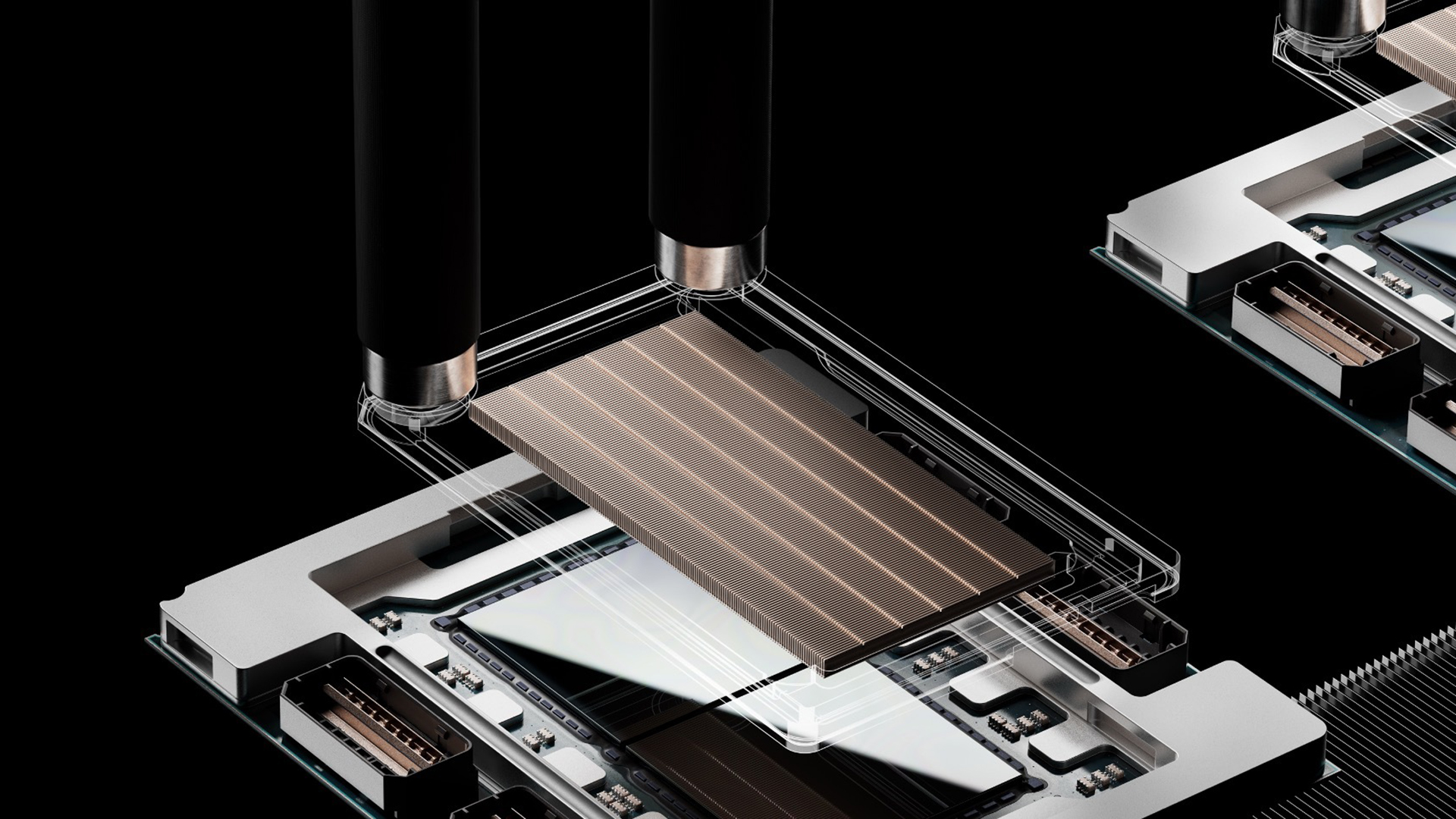
IBM today unveiled its next-generation dual-architecture processor, a significant leap forward for its IBM Z and LinuxONE platforms. This new chip is engineered to address the escalating demands of hybrid cloud environments, artificial intelligence (AI) workloads, and mission-critical applications. The processor represents IBM's commitment to modernizing its mainframe and enterprise Linux server lines, making them more versatile and powerful than ever before.
The core innovation lies in its dual-architecture design, which seamlessly integrates traditional IBM Z capabilities with enhanced capabilities for modern workloads. This hybrid approach is not merely an incremental upgrade; it's a strategic re-imagining of how enterprise computing infrastructure can support diverse and rapidly evolving business needs. By enabling both traditional transactional workloads and modern AI and data analytics tasks on the same system, IBM aims to simplify IT infrastructure, reduce complexity, and improve cost efficiency for its customers.
Accelerating AI and Hybrid Cloud
One of the primary drivers behind this new processor is the explosive growth of AI and the increasing adoption of hybrid cloud strategies. IBM has integrated dedicated hardware acceleration for AI inference directly into the processor. This means that AI models can run directly on the IBM Z and LinuxONE systems, closer to the data, without needing to transfer massive datasets to separate AI-specific hardware. This proximity dramatically reduces latency and improves the speed at which AI insights can be generated.
Think of it less like sending your data to a separate, specialized factory for AI processing and more like having a highly skilled AI specialist working right next to you on the same workbench. This integrated approach is crucial for real-time AI applications, fraud detection, and advanced analytics where microseconds matter. Furthermore, the processor is optimized for hybrid cloud deployments, offering enhanced security, scalability, and manageability that are hallmarks of the IBM Z and LinuxONE platforms. This allows businesses to run sensitive workloads on-premises while seamlessly connecting to public cloud resources.
Enhanced Security and Performance
Security remains a paramount concern for enterprise workloads, and IBM has continued to build upon its renowned security features. The new processor incorporates advanced cryptographic capabilities and enhanced data protection mechanisms designed to safeguard sensitive information in today's complex threat landscape. This includes hardware-accelerated encryption and decryption, which can be applied to data at rest and in transit without significant performance penalties. For organizations handling regulated data or requiring the highest levels of security, these features are indispensable.
Beyond security, the processor delivers substantial performance gains. IBM has focused on improving the execution of both highly concurrent transactional workloads, which are the backbone of many financial and retail systems, and the more data-intensive tasks associated with analytics and AI. This dual focus ensures that organizations can consolidate more workloads onto fewer systems, leading to greater resource utilization and reduced operational overhead. The architecture has been refined to maximize instruction-per-clock (IPC) rates and efficiently handle complex instruction sets, providing a tangible boost for applications that were previously bottlenecked by CPU performance.
Implications for Enterprise IT
The introduction of this next-generation processor signals IBM's strategic direction for its enterprise server portfolio. It underscores the continued relevance of mainframe and high-end Linux systems in an era dominated by cloud computing. By investing in processors that can handle both legacy and cutting-edge workloads, IBM is positioning its Z and LinuxONE platforms as central hubs for hybrid cloud IT infrastructure. This approach allows businesses to leverage their existing investments while embracing new technologies like AI without a complete overhaul of their core systems.
For IT leaders, this means an opportunity to modernize their data centers by consolidating diverse workloads onto a single, secure, and highly performant platform. The ability to run AI inference directly on the same systems that handle critical business transactions can lead to significant operational efficiencies and faster time-to-insight. The focus on hybrid cloud integration also simplifies the management of distributed IT environments, making it easier to orchestrate workloads across on-premises and cloud resources.
What remains to be seen is how quickly and widely this new processor will be adopted by IBM's customer base, particularly those with deeply entrenched legacy systems. The migration path and the ease of deploying new AI workloads on these platforms will be critical factors in their success. However, the technical capabilities presented suggest a powerful new option for enterprises looking to harness the combined power of AI, hybrid cloud, and robust transaction processing.