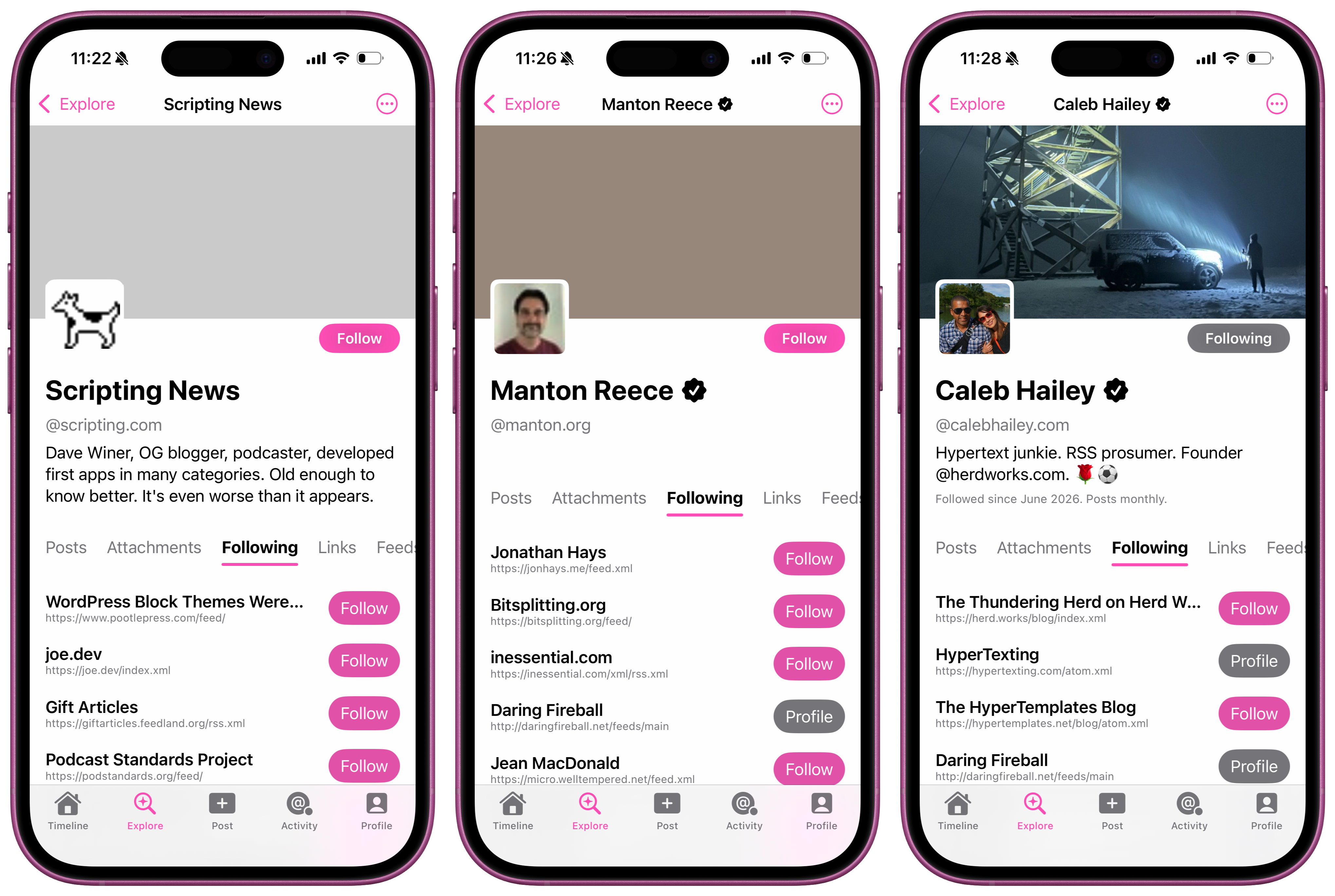
From Scattered Web to Unified Feed
The internet, in its current form, is a sprawling, decentralized universe. Information lives on countless websites, blogs, newsletters, and podcast feeds, each requiring a separate visit, a different app, or a dedicated subscription. This fragmentation makes it challenging to stay informed and engage with content creators. HyperTexting, a new application, aims to solve this by transforming the open web into a unified, social media-like experience.
HyperTexting's core proposition is to aggregate diverse web content—from long-form articles and blog posts to newsletters and podcasts—into a single, scrollable feed. This approach mirrors the addictive, continuous browsing experience users have come to expect from social media platforms like X (formerly Twitter), Instagram, or TikTok. Instead of actively seeking out new content or checking multiple sources, users can passively consume a curated stream of updates from across the web.
The app functions by allowing users to subscribe to specific websites, blogs, or newsletters. HyperTexting then pulls the latest content from these sources, presenting it in a consistent, digestible format. This means a new blog post from a favorite tech writer, the latest issue of a niche newsletter, or a new podcast episode can all appear seamlessly in the same feed. The goal is to reduce the friction associated with discovering and consuming information online, making the vastness of the open web feel more accessible and manageable.
Beyond Consumption: Empowering Creators
HyperTexting isn't just about making it easier for users to consume content; it also aims to empower creators. A significant part of the application's functionality is dedicated to simplifying the process of publishing and distributing content. For creators, maintaining a personal website or blog can be a labor-intensive task, often involving complex content management systems, hosting, and distribution strategies. HyperTexting seeks to streamline this by offering an integrated publishing tool.
The app allows users to post directly to their own website through its interface. This means that an individual can draft an article, upload media, and hit publish, with HyperTexting handling the backend complexities of updating their site. This feature is particularly valuable for independent creators, small businesses, and journalists who want to maintain a direct connection with their audience without getting bogged down in technical overhead. By abstracting away the complexities of web publishing, HyperTexting enables creators to focus more on producing high-quality content and less on the mechanics of its delivery.

The Social Layer: Interaction and Discovery
What elevates HyperTexting beyond a mere content aggregator is its integration of social features. The app aims to foster a sense of community and interaction around web content, much like traditional social media platforms. Users can not only subscribe to content but also engage with it through likes, comments, and shares. This creates a dynamic environment where discussions can emerge around articles, blog posts, or podcast episodes, bridging the gap between passive consumption and active participation.
The social aspect also plays a crucial role in content discovery. By seeing what others are reading, commenting on, or sharing, users can uncover new websites, creators, and topics they might not have found otherwise. This network effect is a hallmark of successful social platforms and is a key element HyperTexting is leveraging to help users navigate the vastness of the web. It turns the act of browsing into a more communal and interactive experience, making the open web feel less like a solitary pursuit and more like a shared space.
The app's design philosophy appears to be centered on making the web feel more immediate and interconnected. In a landscape dominated by walled-garden platforms that control content distribution and user data, HyperTexting's commitment to the open web is a notable differentiator. It seeks to harness the accessibility and diversity of the open web while applying the engagement and discovery mechanisms that have made social media so pervasive. This dual focus on user experience and creator empowerment positions HyperTexting as a potentially significant player in how we interact with online information.
The challenge for HyperTexting will be in scaling its aggregation capabilities to handle the sheer volume and diversity of the web, while also ensuring a consistent and high-quality user experience across all content types. Furthermore, the success of its social features will depend on its ability to cultivate an active and engaged user base. If it can achieve these goals, HyperTexting could fundamentally alter how individuals discover, consume, and interact with content on the internet, making the open web feel more like a connected community than a disconnected collection of pages.