The End of the Novelty Era
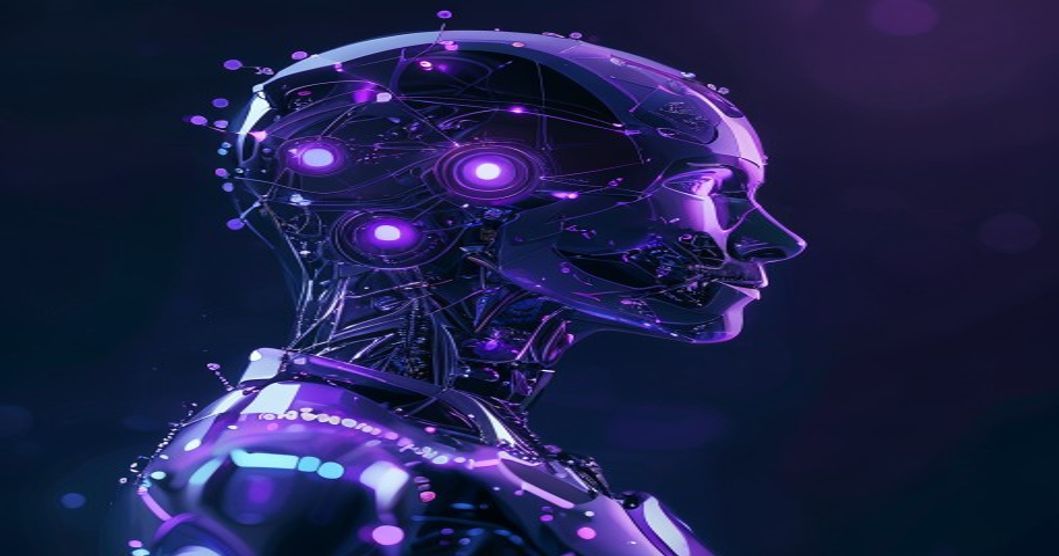
Humanoid robots are no longer confined to science fiction or clunky prototypes. The latest advancements have blurred the lines between machine and human to an unprecedented degree. We have officially moved past the era of humanoid robots as mere public relations stunts. As they become increasingly lifelike in appearance and capability, society may soon face profound social, psychological, and ethical challenges. The question is no longer about if they can perform tasks, but about how their integration will fundamentally alter human interaction, self-perception, and societal structures.
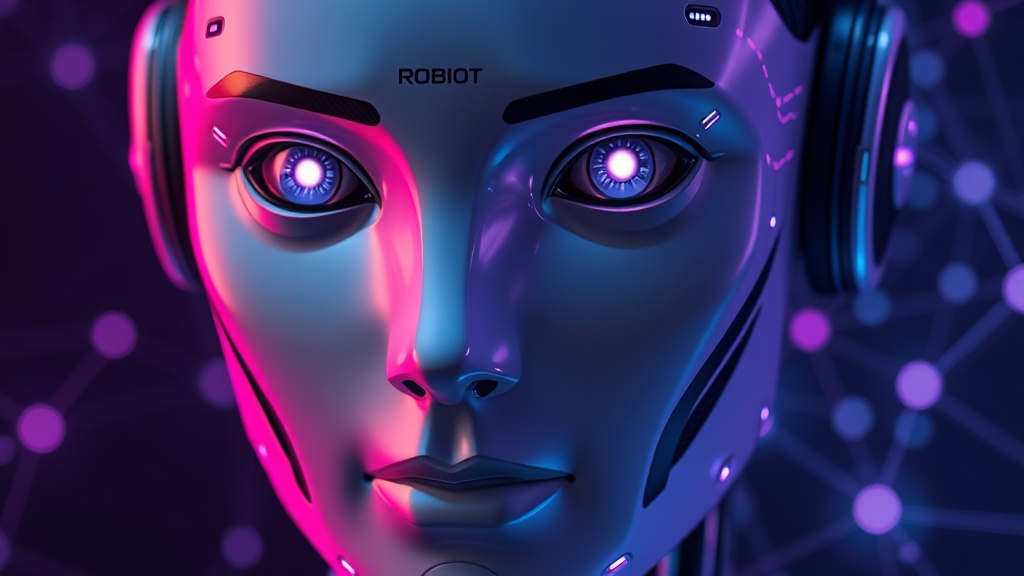
Consider the uncanny valley: that unsettling feeling humans experience when confronted with robots that appear almost, but not exactly, like real human beings. Historically, this phenomenon has been a significant barrier to public acceptance. However, rapid progress in areas like synthetic skin, realistic eye movements, and nuanced facial expressions is pushing robots beyond this valley. They are starting to evoke empathy, recognition, and even companionship, rather than just unease. This psychological shift is critical; it means the machines we interact with daily might soon elicit emotional responses akin to those we reserve for other humans.
Social and Psychological Repercussions
The integration of sophisticated humanoids into daily life will inevitably reshape social dynamics. Imagine a future where humanoid assistants are common in elder care facilities, schools, or even homes. While they can offer consistent, tireless support, their presence raises questions about the quality of human connection. Will reliance on robotic companionship diminish our capacity for genuine human empathy and social engagement? What happens to the development of social skills in children raised with highly interactive, non-judgmental robot caregivers?
Furthermore, the psychological impact on individuals who form bonds with these machines is a significant area of concern. As robots become more adept at mimicking human emotions and conversational patterns, the potential for deep emotional attachment grows. This can be particularly relevant for individuals experiencing loneliness or social isolation. However, the ethical implications of such attachments are complex. Is it ethical to encourage deep emotional bonds with entities that lack genuine consciousness or feelings? What are the long-term psychological effects of such relationships, especially when the robot's 'emotional' responses are programmed simulations?
The economic implications are also substantial. As humanoids become capable of performing a wider range of tasks, from manufacturing and logistics to customer service and even creative endeavors, the specter of widespread job displacement looms large. While proponents argue that new jobs will be created in robot maintenance, programming, and oversight, the transition could be turbulent, leading to increased economic inequality and social unrest. The very definition of work, value, and human contribution may need to be re-evaluated.
Ethical Frontiers and the Definition of Personhood
Perhaps the most profound challenges lie in the ethical and philosophical realms. As humanoid robots become more sophisticated, capable of learning, adapting, and exhibiting behaviors that mimic sentience, we will be forced to confront fundamental questions about consciousness, rights, and even personhood. What moral obligations, if any, do we have towards highly advanced artificial beings that appear to suffer, express desires, or demonstrate a form of self-awareness?
The development of artificial general intelligence (AGI) within a humanoid form presents a unique nexus of challenges. If a humanoid robot achieves a level of intelligence and autonomy comparable to humans, does it deserve rights? How do we define and enforce legal and ethical boundaries in a world where artificial entities possess advanced cognitive abilities? The legal frameworks currently in place are ill-equipped to handle such scenarios. We need to proactively consider issues of accountability, ownership, and the potential for exploitation, both of and by, these advanced AI systems.
The very act of creating beings that so closely resemble us, yet are fundamentally different, forces a mirror upon our own humanity. It challenges our understanding of what it means to be alive, to feel, and to be conscious. As these machines become more integrated into our lives, the boundary between the organic and the artificial will continue to blur, prompting a redefinition of our place in the world and our relationships with the technologies we create.
What nobody has addressed yet is the long-term societal impact on human identity and purpose when machines can perform not only physical labor but also complex cognitive and even creative tasks. If the value of human labor diminishes, what becomes the primary driver of human endeavor and self-worth?
Navigating the Future
The path forward requires careful consideration and proactive dialogue. Developers, policymakers, ethicists, and the public must engage in open discussions about the societal implications of advanced humanoid robots. Establishing ethical guidelines, robust regulatory frameworks, and educational initiatives will be crucial for navigating this complex future responsibly. The goal should not be to halt progress, but to steer it in a direction that benefits humanity, ensuring that our technological creations enhance, rather than diminish, our lives and our values.
The increasing sophistication of humanoid robots presents a pivotal moment for humanity. It is an opportunity to redefine our relationship with technology, to critically examine our social structures, and to deepen our understanding of what it truly means to be human. The challenges are significant, but so are the potential benefits, provided we approach this transition with foresight, ethical clarity, and a commitment to human well-being.