Hollywood Embraces YouTube Horror IP
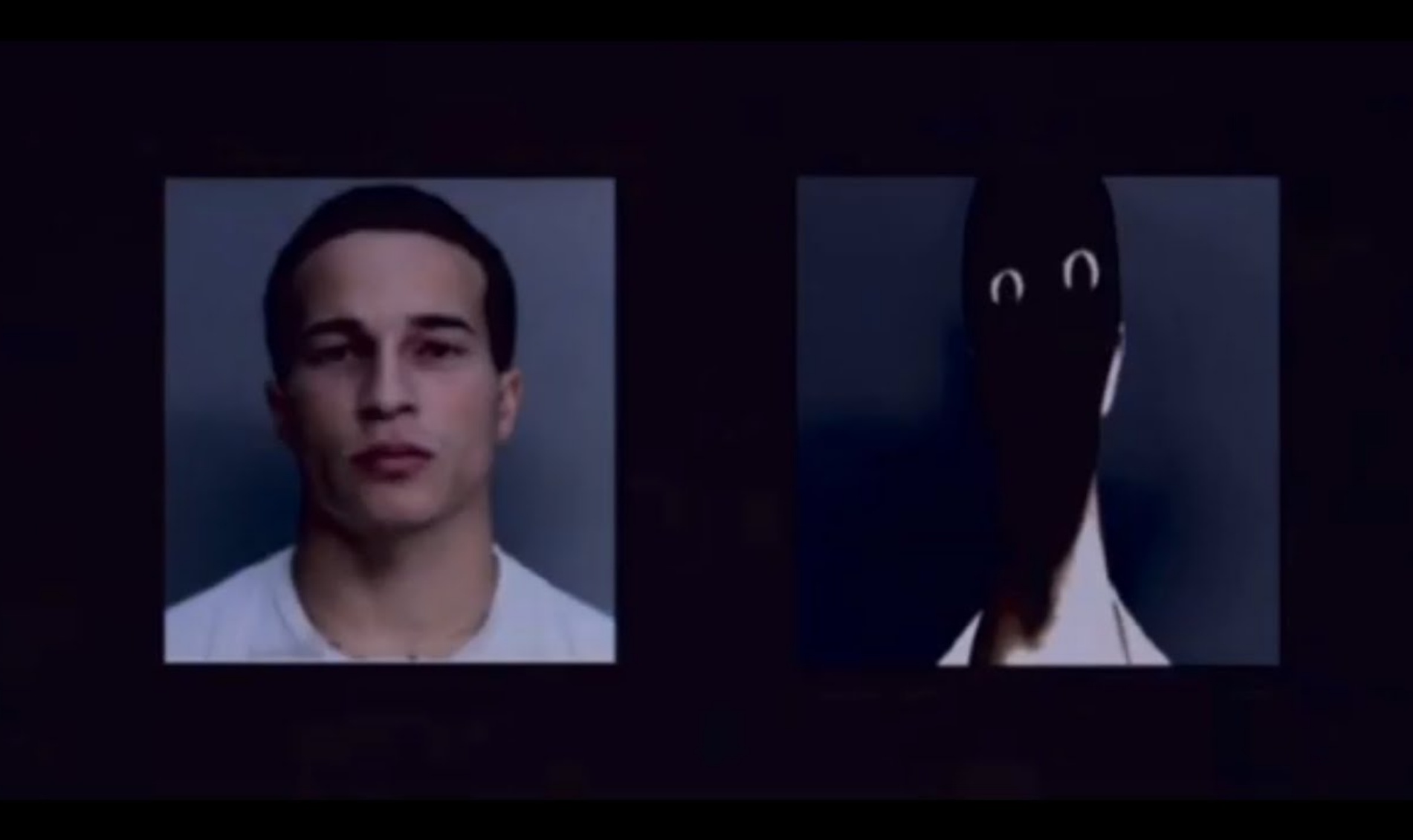
The creator economy continues to blur the lines between online virality and mainstream entertainment. The latest testament to this shift is Amazon and Steven Spielberg's acquisition of the film rights to Tyler Clifton's The Mandela Catalogue, a chilling YouTube horror series that has amassed over 100 million views. The deal, reportedly the result of an intense 11-studio bidding war, underscores Hollywood's increasing reliance on established digital talent and intellectual property to capture audience attention.
The Mandela Catalogue, set in a fictional Wisconsin county plagued by a series of unsettling supernatural events and the emergence of malevolent entities known as Alternates, has cultivated a dedicated fanbase through its unique blend of psychological horror, found footage aesthetics, and intricate lore. Clifton, the creator behind the series, will reportedly be involved in the film's development, allowing for a continued connection to the original vision that captivated millions online.
This move by Amazon and Spielberg is not an isolated incident. It follows a broader trend of major production companies scouting platforms like YouTube for their next big franchise. The success of creator-led projects such as Five Nights at Freddy's, which originated as an indie video game and became a box office hit, has emboldened studios to invest in digital-native content. The appeal is clear: pre-existing fanbases, proven engagement, and a direct pipeline to a demographic that often shuns traditional advertising.
The narrative of The Mandela Catalogue centers on the psychological toll and existential dread experienced by characters confronting these otherworldly threats. Its success on YouTube, a platform primarily known for vlogs, tutorials, and entertainment, demonstrates the evolving nature of content consumption and the increasing sophistication of creators in crafting complex, narrative-driven experiences. The series’ ability to generate widespread discussion and fan theories speaks to its deep engagement potential, a quality Hollywood studios are eager to translate to the silver screen.
Beyond Horror: A Creator Economy Snapshot
While the acquisition of The Mandela Catalogue highlights the burgeoning relationship between Hollywood and online creators, it is part of a larger ecosystem of shifts within the creator industry. This week also saw Twitch CEO Dan Clancy commenting on the platform's distinct community ethos, seemingly drawing a contrast with the perceived fragmentation and commercial pressures on other social media platforms, particularly TikTok.
Clancy, speaking at VidCon, emphasized Twitch's unique position as a live-streaming service that fosters genuine interaction and community building between streamers and their audiences. He highlighted how the platform's design encourages sustained engagement and a sense of belonging, which he suggested is less prevalent on short-form video platforms. This perspective positions Twitch not just as a content-delivery system, but as a space for ongoing social connection and shared experiences.
The mention of TikTok, while not a direct attack, serves as a subtle critique of platforms that prioritize rapid content consumption and algorithmic discovery over sustained community formation. In an era where creators are increasingly seeking stable, engaged audiences and sustainable revenue streams, the emphasis on community can be a significant differentiator. Clancy's remarks suggest a strategic effort to reinforce Twitch's brand identity as a platform that values depth of connection over breadth of fleeting trends.
The AI sector also made its mark this week with the arrival of what is being dubbed the 'AI 4th of July.' While details remain scarce, this nomenclature suggests a significant development or release of AI technology that is poised to have a widespread impact, potentially democratizing access to advanced AI tools or introducing novel applications that could reshape various industries. The timing, around a significant American holiday, might also imply a broad, impactful release intended for widespread public awareness and adoption.
These diverse events—a major Hollywood IP acquisition, platform leadership commentary on community, and significant AI advancements—collectively paint a picture of a dynamic and rapidly evolving digital landscape. Creators are finding new avenues for monetization and mainstream recognition, platforms are solidifying their unique value propositions, and AI continues its relentless march, promising further disruption and innovation. The convergence of these trends suggests a future where the boundaries between digital and physical realities, and between independent creation and traditional industry, will continue to dissolve.