Bringing AI Agents into Applications
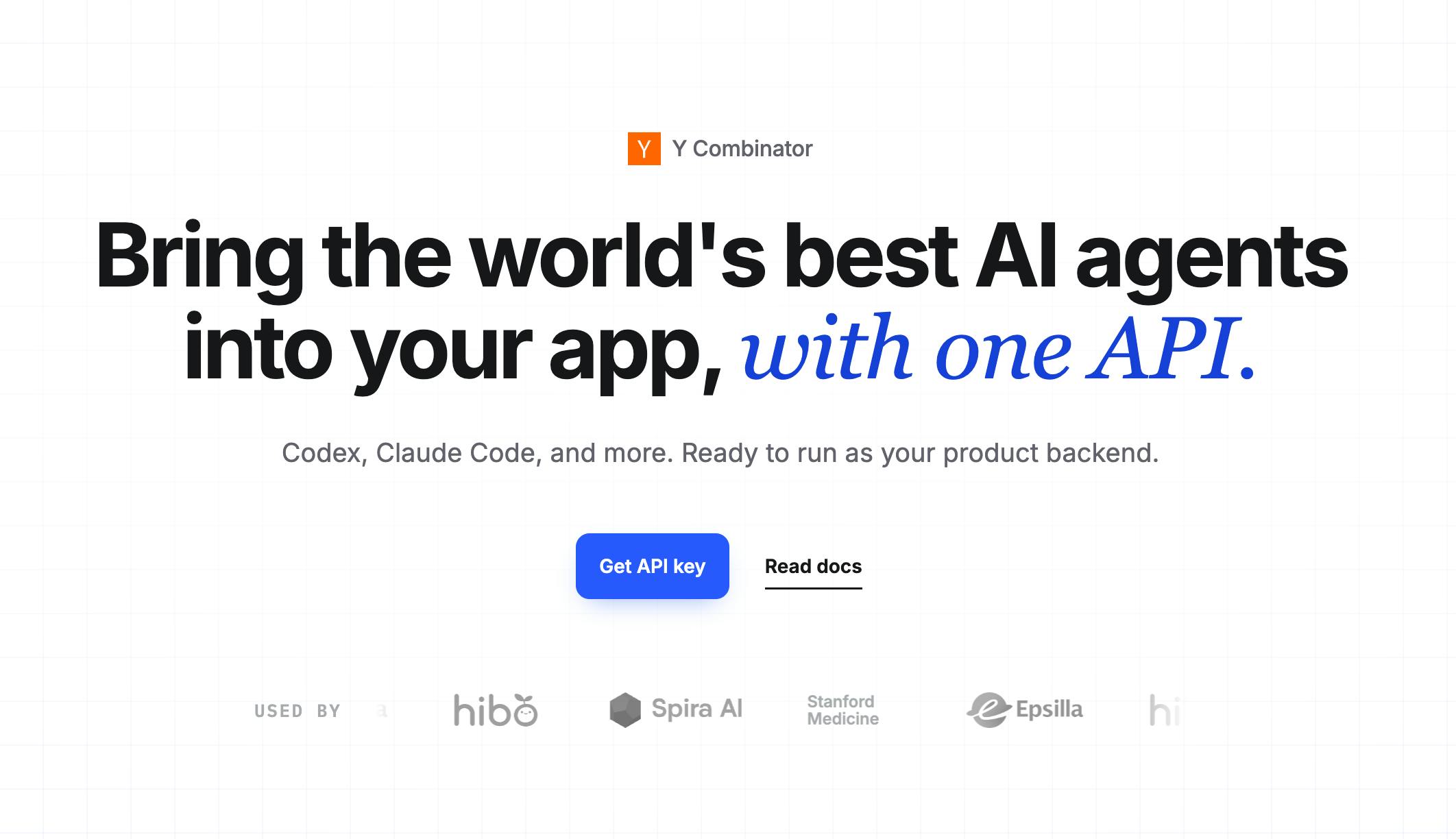
HarnessRouter emerges as a novel solution for developers seeking to integrate sophisticated AI agents directly into their applications. The core promise of HarnessRouter is to simplify this complex process by offering a single, cohesive API that abstracts away the intricacies of individual AI agent implementations. This approach aims to democratize access to advanced AI capabilities, making them readily available for integration without requiring deep expertise in each specific agent's architecture or deployment.
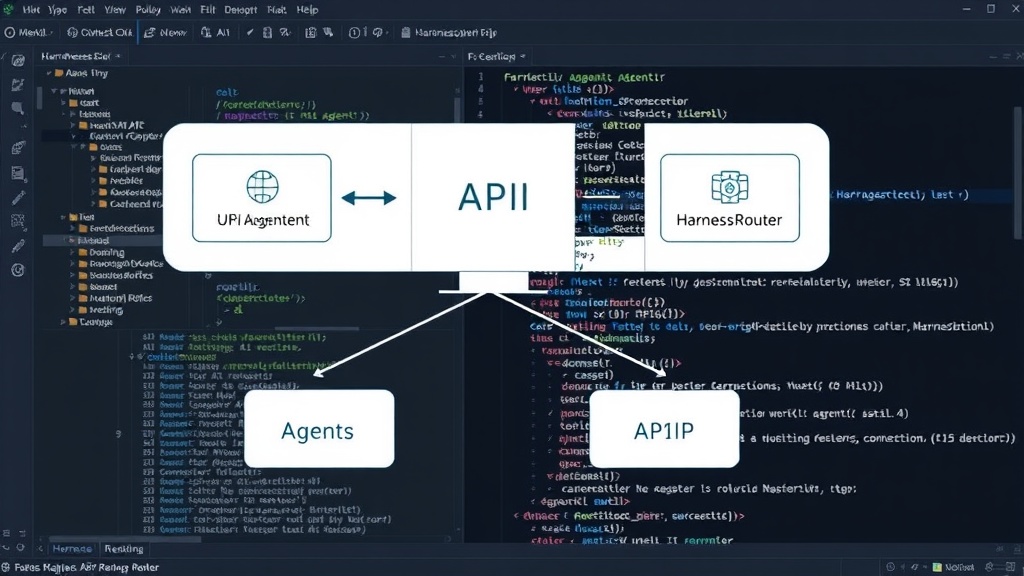
The challenge HarnessRouter addresses is the fragmented landscape of AI agent development. Currently, developers might need to manage multiple SDKs, authentication methods, and data formats when incorporating different AI models or agents. This often leads to increased development time, higher costs, and a steeper learning curve. HarnessRouter's unified API acts as a universal translator, allowing applications to communicate with a diverse set of AI agents as if they were a single entity.
Think of HarnessRouter less like a new AI model itself and more like a universal remote control for the burgeoning ecosystem of specialized AI agents. Instead of learning the specific button layout for your TV, your soundbar, and your streaming device, you have one remote that knows how to command them all. HarnessRouter provides that single point of control for developers looking to orchestrate various AI functionalities within their software.
Streamlined Integration and Development
The primary benefit for developers lies in the significant reduction of integration overhead. By abstracting the complexities of various AI agents, HarnessRouter allows development teams to focus on their application's core logic and user experience, rather than wrestling with the nuances of AI agent integration. This can translate into faster development cycles, quicker time-to-market for AI-powered features, and a more efficient use of engineering resources.
Furthermore, HarnessRouter is designed to accommodate a growing number of AI agents. As new and more capable AI models emerge, the platform aims to integrate them seamlessly, ensuring that developers can always leverage the latest advancements without needing to overhaul their existing integration strategy. This adaptability is crucial in the rapidly evolving field of artificial intelligence, where new breakthroughs occur frequently.
The API is structured to handle common functionalities expected from AI agents, such as natural language processing, data analysis, content generation, and task automation. Developers can query these agents through standardized requests, and HarnessRouter manages the translation and routing to the appropriate underlying AI service. The response is then normalized back into a consistent format, simplifying downstream processing within the application.
Potential Market Impact and Future Implications
HarnessRouter's success could significantly alter how AI capabilities are embedded into software. Instead of companies building custom integrations for every AI tool they wish to use, they could adopt a platform like HarnessRouter, accelerating their AI adoption curve. This could foster a more competitive AI agent market, as developers gain easier access to a wider array of specialized tools.
The broader implication is a potential shift towards composable AI systems, where applications are built by assembling best-of-breed AI agents orchestrated by middleware like HarnessRouter. This modular approach offers flexibility and scalability, allowing businesses to adapt their AI strategies more readily to changing market demands and technological advancements.
What remains to be seen is the extent to which HarnessRouter can maintain its abstraction layer as AI agent capabilities become more diverse and specialized. The challenge will be to keep the unified API comprehensive enough to be useful without becoming overly generic, thereby losing the power of specialized agents. The platform's ability to evolve alongside the AI agent ecosystem will be key to its long-term viability and impact.