Allegations of Widespread Data Scraping Emerge Against AI Music Generator Suno
A significant security breach has cast a shadow over Suno, the popular AI music generation platform. A hacker, reportedly gaining access through compromised employee credentials, has allegedly uncovered evidence that Suno extensively scraped audio data from major online platforms, including YouTube, Deezer, and Genius, for training its sophisticated music models. The leaked source code, according to reports, details a process that captured decades of audio content, raising serious questions about copyright, data privacy, and the ethical foundations of AI-generated music.
The breach, first detailed by 404Media and subsequently amplified on platforms like Reddit, suggests Suno's AI was not built on ethically sourced or licensed data. Instead, the leaked code appears to describe automated systems designed to download and process vast quantities of audio from publicly accessible, yet likely copyrighted, sources. This practice, if proven, would place Suno in direct conflict with the terms of service of these platforms and potentially violate copyright laws globally.
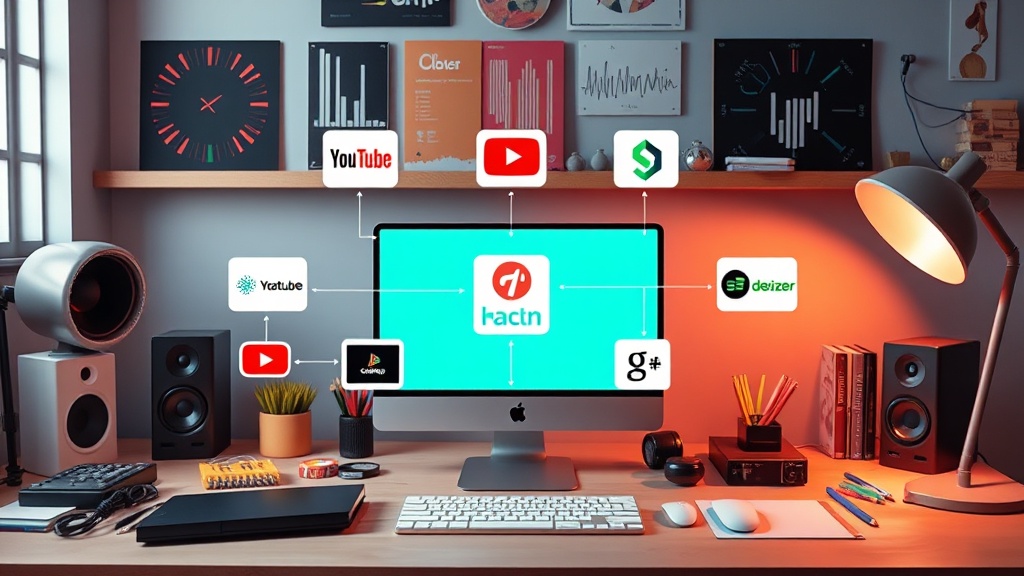
Unpacking the Allegations: What the Leaked Code Suggests
The core of the allegations lies within the source code itself. While the specifics of the code are complex, cybersecurity analysts and tech journalists who have reviewed the information point to functionalities that actively sought out and ingested audio files from YouTube, Deezer, and Genius. This wasn't a passive collection; the code reportedly details methods for identifying, downloading, and potentially transcribing or analyzing audio content at scale. The implication is that Suno's ability to generate music in various styles and with lyrical coherence is directly tied to its alleged ingestion of a massive, uncurated dataset from these platforms.
The timeframe of the alleged scraping is also a point of concern. Reports suggest the data collection spans "decades of audio," indicating a long-term, systematic effort to build its training corpus. This raises the stakes considerably, as it implies the potential infringement of rights associated with a vast library of musical works, including not only popular music but also independent artists and potentially even user-generated content that resides on these platforms.
One of the most surprising details emerging from the hack is the sheer breadth of the platforms targeted. While YouTube is a common source for AI training data, the inclusion of music streaming services like Deezer and lyric databases like Genius suggests a comprehensive strategy to capture not just audio, but also associated metadata, lyrics, and potentially even user-generated commentary that could inform the AI's understanding of music. This level of data aggregation, if confirmed, represents an aggressive approach to dataset construction in the competitive AI music generation landscape.
Implications for Suno and the AI Music Industry
The fallout from this alleged data breach could be substantial for Suno. Beyond the immediate legal and ethical ramifications, the company faces potential backlash from artists, rights holders, and the platforms themselves. If the allegations prove true, Suno could be subject to lawsuits, regulatory investigations, and a significant erosion of trust within the creative community. The company has yet to issue a formal statement addressing the specifics of the hack or the alleged data scraping practices.
This incident also serves as a stark reminder of the ongoing debate surrounding AI and copyright. The development of powerful AI models often relies on enormous datasets, and the provenance of this data is increasingly under scrutiny. Many AI companies operate in a grey area, leveraging publicly available information while navigating complex and often ambiguous copyright laws. The Suno hack could trigger a more aggressive push for transparency and regulation in AI data sourcing, potentially forcing other AI music generators and similar platforms to re-evaluate their training methodologies.
For developers and founders in the AI space, this event underscores the critical importance of data governance and legal compliance. Building powerful AI models is only one part of the equation; ensuring that the data used for training is legally and ethically acquired is paramount. The potential for such breaches to expose the underlying infrastructure and data pipelines means that security and compliance must be integrated from the ground up, not treated as an afterthought. The question for many in the industry is no longer *if* their data practices will be scrutinized, but *when*.
The Unanswered Question: What Happens to Existing Suno Creations?
While the focus is rightly on the alleged scraping, a crucial, yet unaddressed, question remains: what is the legal status and artistic integrity of the music Suno has already generated for its users? If the foundational training data is found to be infringing, does that taint all subsequent outputs? Users who have relied on Suno to create music for their projects, be it for personal use, commercial ventures, or artistic expression, are now left in a precarious position. The potential for their creations to be deemed derivative works or subject to copyright claims from original data sources creates a significant cloud of uncertainty over the platform's utility and the value of its outputs.
This situation is akin to building a magnificent structure on land whose ownership is later disputed. The architecture might be impressive, but the foundation's integrity is now in question. For Suno, this means not only addressing the past but also contemplating the future of its service and the rights of its user base. The path forward will likely involve a thorough audit of its data practices, potential re-training of its models with ethically sourced data, and a transparent communication strategy with its community.