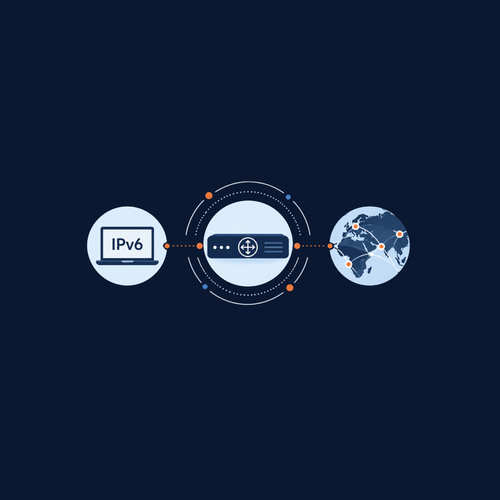
The IPv6 First-Packet Problem
The internet's transition to IPv6, designed to address the exhaustion of IPv4 addresses, has been a long and complex process. While IPv6 offers a vastly larger address space and potential performance benefits, a persistent issue has plagued its adoption: the first-packet latency gap. This phenomenon refers to the noticeable delay that occurs when a new connection is established using IPv6, particularly when compared to its predecessor. This delay stems from the intricate handshake and negotiation processes required to set up an IPv6 connection, involving multiple steps like Neighbor Discovery Protocol (NDP) messages, Duplicate Address Detection (DAD), and Address Resolution, all before the actual data can flow. For end-users, this translates to a sluggish experience during the initial moments of browsing, gaming, or any network-intensive activity. It's akin to waiting for a complex traffic light system to clear before you can even start moving, even if the road ahead is empty.
This first-packet latency is not merely an academic concern; it has tangible impacts on user experience and application performance. For interactive applications like online gaming, real-time communication, or even responsive web browsing, this initial delay can be a deal-breaker. Developers and network engineers have long sought solutions to mitigate this inherent characteristic of IPv6. While various optimizations and workarounds have been proposed and implemented, none have fully eradicated the problem, leaving a lingering performance deficit.
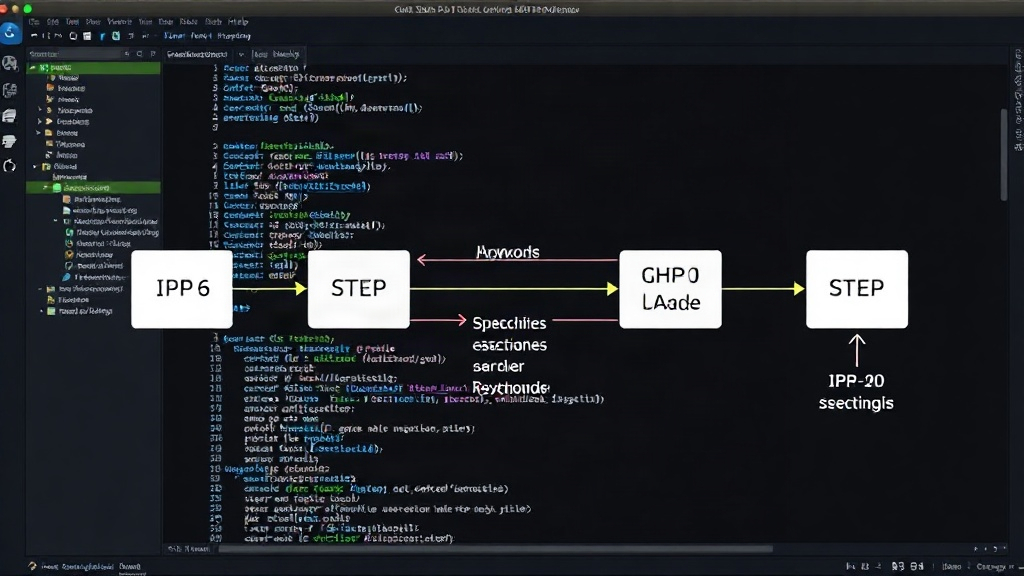
Introducing GRAND: A Novel Solution
Enter GRAND, a new protocol developed by researchers Pouria Rad and colleagues that aims to directly address and close this first-packet latency gap. GRAND, which stands for 'Giga-router Accelerated Network Delivery,' is not an incremental tweak but a fundamental reimagining of how initial connection data is handled in IPv6 networks. The core innovation lies in its ability to proactively establish and verify network paths and address configurations *before* the user even initiates a connection request.
Instead of waiting for the standard, multi-step IPv6 handshake to complete, GRAND leverages a lightweight, out-of-band signaling mechanism. This mechanism allows network infrastructure, particularly high-performance routers (hence 'Giga-router'), to pre-compute and pre-validate the necessary network state for a given destination. When a client device intends to initiate an IPv6 connection, it can query the GRAND-enabled network infrastructure. The infrastructure, having already prepared the path and verified addressability, can then provide the client with the necessary information almost instantaneously. This effectively bypasses the lengthy, sequential discovery and verification steps inherent in traditional IPv6 connection setup.
How GRAND Works Under the Hood
At its heart, GRAND operates by decoupling the initial address discovery and path validation from the actual data transmission. Traditional IPv6 requires a series of ICMPv6 messages, including Neighbor Solicitation and Advertisement, to resolve link-layer addresses and ensure address uniqueness. These messages can be subject to processing delays at each hop, contributing to the overall latency. GRAND introduces a new layer of signaling that communicates directly between network elements.
Imagine a sophisticated concierge service for network connections. Instead of you having to ask each person at every desk in an office building where to go, the concierge already knows your destination and has cleared the path. GRAND acts as this concierge. Network devices equipped with GRAND can maintain a more dynamic and predictive state of network readiness. When a connection is anticipated, GRAND can pre-emptively perform NDP, DAD, and other necessary checks in a parallel or predictive manner. This proactive approach means that by the time the client sends its first data packet, the network is essentially 'ready' and can forward that packet without the usual setup delays. The protocol is designed to be backward-compatible, meaning that GRAND-enabled nodes can still communicate with non-GRAND nodes, ensuring a smooth transition.
Performance Gains and Implications
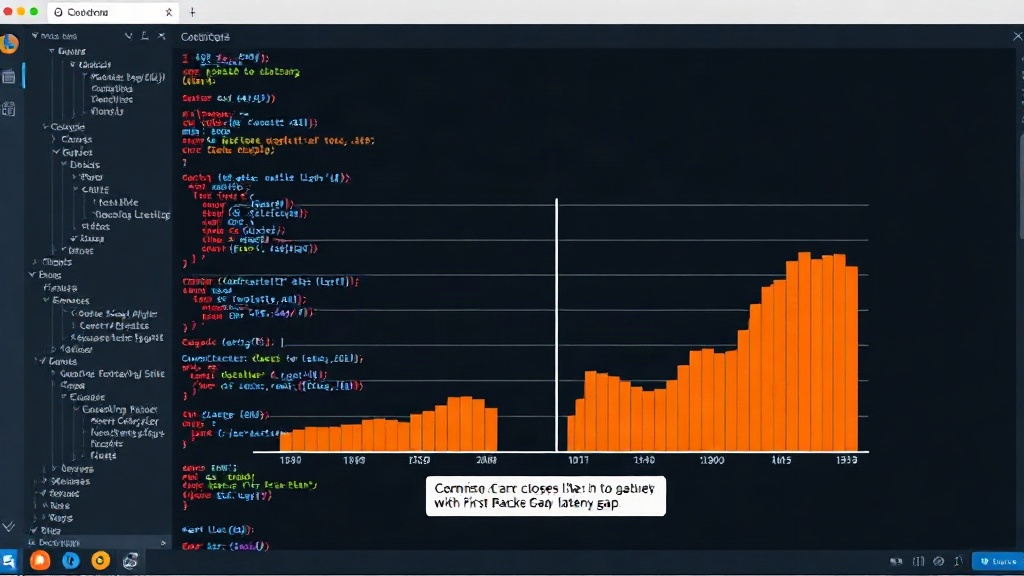
The performance improvements demonstrated by GRAND are significant. Early tests and simulations show a reduction in first-packet latency by orders of magnitude, bringing IPv6 performance much closer to, and in some cases exceeding, that of IPv4 for initial connection setup. This eliminates the perceived sluggishness that has been a barrier to wider IPv6 adoption. For critical applications that rely on low latency, such as high-frequency trading, cloud gaming, and augmented reality experiences, GRAND could be a transformative technology.
The implications extend beyond just user experience. For network operators, GRAND offers the potential for more efficient network management and improved Quality of Service (QoS). By reducing the overhead associated with connection setup, network devices can handle more connections concurrently. Furthermore, the ability to predict and manage network state more effectively could lead to more stable and predictable network performance. This could also simplify troubleshooting, as many latency-related issues are tied to the initial handshake process.
Challenges and Future Outlook
Despite its promising performance, the widespread adoption of GRAND will face challenges. Like any new network protocol, it requires support from hardware vendors, operating system developers, and network infrastructure providers. The deployment of GRAND-enabled routers and network stacks will be a gradual process. Educating network administrators and developers about its benefits and implementation will also be crucial.
However, the fundamental problem GRAND solves is significant enough to warrant dedicated effort. The ongoing growth of internet-connected devices and the increasing demand for low-latency applications make the first-packet latency gap an increasingly relevant issue. As the internet continues its evolution towards IPv6, solutions like GRAND that directly tackle its inherent performance bottlenecks will be essential for realizing the full potential of the next-generation internet protocol. The success of GRAND could pave the way for a truly seamless and high-performance IPv6 experience for all users.