Shifting from Reactive to Proactive Platform Updates
For years, the process for anticipating changes from major mobile platforms like Apple and Google was a painful, reactive cycle. Developers would wait for a new OS version or API update to break their applications. Only then, after a build failed or a critical feature stopped working, would the community or internal teams begin the arduous task of tracing the issue back to the source and implementing a fix. This sequence was not just inefficient; it was a constant source of stress and delayed releases for applications built on frameworks like Codename One.
Codename One, an open-source framework designed for building native iOS and Android applications from a single codebase, found itself in this all-too-common predicament. Their previous warning system relied heavily on community bug reports and the unfortunate reality of a failed build. While the community provided valuable feedback, the information flow was inherently backwards. A platform owner would announce a deadline, time would pass, an application would inevitably hit the change, and only then would the team at Codename One trace the problem into their builder. This meant users were often the first to discover the impact of platform shifts, leading to frustration and a scramble to patch issues.
The core problem was the dependency on external forces and delayed information. Apple and Google control their ecosystems tightly, and their updates can introduce subtle or significant changes that affect app behavior. Waiting for these changes to manifest as user-facing bugs or build failures meant Codename One was always playing catch-up. This reactive approach is unsustainable for a framework that aims to provide a stable and reliable cross-platform development experience.
Building a Self-Sufficient Detection System
Recognizing the limitations of their previous model, the Codename One team decided to stop waiting for platform changes to find them. They embarked on a project to build a more robust, proactive system for detecting and adapting to changes made by Apple and Google. This shift represents a fundamental change in their development philosophy, moving from a reactive posture to one of active vigilance.
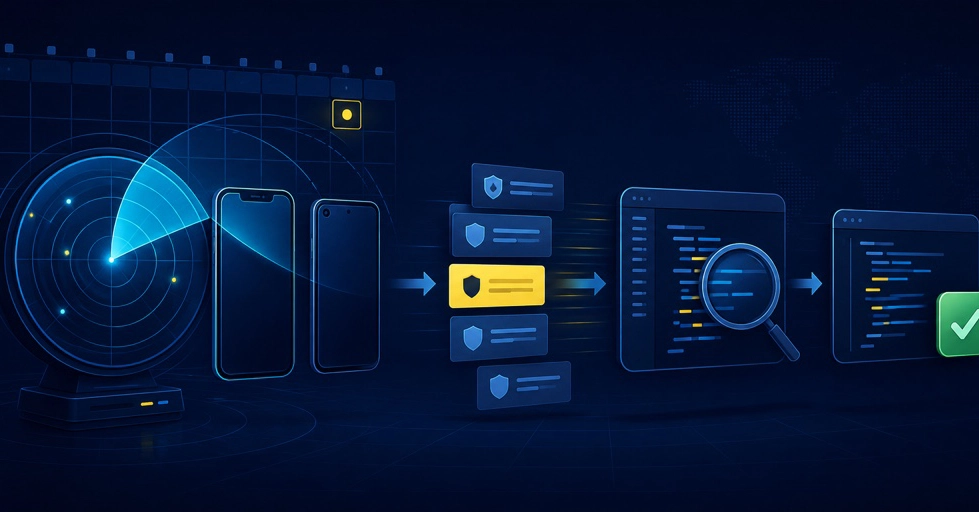
The new system is designed to continuously monitor platform updates and potential breaking changes. Instead of relying solely on community bug reports or the fallout from failed builds, Codename One now aims to identify these shifts internally and address them *before* they impact their users. This involves a multi-pronged approach, including:
- Automated Source Analysis: Regularly scanning the official documentation, developer forums, and SDK release notes from Apple and Google for any mention of API changes, deprecations, or new requirements.
- Behavioral Monitoring: Implementing tools that can detect subtle shifts in application behavior that might indicate underlying platform modifications, even if not explicitly announced.
- Early Adopter Programs: Leveraging internal testing and potentially beta programs with select developers to stress-test new platform versions against the Codename One build system.
- Community Integration (Refined): While no longer the primary detection mechanism, maintaining and enhancing channels for community feedback to catch edge cases or issues missed by automated systems.
This proactive stance is critical. Apple, for instance, often introduces privacy-focused changes or security enhancements that can subtly alter how applications interact with the operating system. Google, with its frequent Android updates and Play Store policy revisions, also presents a moving target. By building a system that actively seeks out these changes, Codename One can integrate necessary adjustments into their framework, issue patches, and update their documentation well in advance of any hard deadlines or breaking points.
The Impact: Reduced Friction, Increased Reliability
The implications of this shift are significant for developers using Codename One. Firstly, it promises a more stable and predictable development experience. Developers can be more confident that their builds will succeed and their applications will function as expected, regardless of underlying platform updates. This reduces the time spent on debugging platform-specific issues and allows developers to focus on building features and delivering value to their end-users.
Secondly, it means faster access to new platform capabilities. By understanding upcoming changes, Codename One can also be quicker to adopt and expose new features offered by iOS and Android. This ensures that applications built with the framework remain modern and competitive, leveraging the latest that the mobile operating systems have to offer without significant delay.
The move also signals a maturing of the Codename One project itself. It demonstrates a commitment to providing a robust, enterprise-grade solution that anticipates developer needs rather than merely responding to problems. This proactive approach builds trust and solidifies Codename One's position as a reliable choice for cross-platform mobile development. The goal is to make the experience of using Codename One feel less like navigating a minefield of platform updates and more like working with a stable, well-supported tool that actively shields its users from external disruptions.
What Lies Ahead?
The success of this new system hinges on its ability to continuously evolve. As Apple and Google refine their release cycles and communication strategies, Codename One's detection mechanisms must adapt. The challenge now is to maintain this proactive posture, ensuring that the framework remains a step ahead. For developers, this means a future where platform transitions are smoother, and the anxiety associated with unexpected changes is significantly reduced. It's a strategic pivot that prioritizes developer experience and application stability above all else.