Designing AI for Humans: An Overview of Google's PAIR Guidebook
Google's People + AI (PAIR) initiative has released a guidebook aimed at developers, designers, and product managers building AI-powered products. This resource offers a framework for creating AI systems that are not only intelligent but also intuitive, trustworthy, and collaborative. The core philosophy centers on understanding human needs, cognitive processes, and social dynamics to ensure AI acts as a helpful partner rather than an opaque or alienating technology. The guidebook emphasizes a human-centered approach, moving beyond purely technical performance metrics to consider the broader impact on user experience and societal integration.
The PAIR Guidebook acknowledges the evolving landscape of human-AI interaction. Traditional search paradigms, for instance, are shifting. As Source 2 highlights, users are no longer satisfied with just a list of links. They expect conversational engagement, follow-up questions, and direct answers. This often leads to users engaging in a form of 'testing' or 'questioning' the AI, seeking to understand its limitations or correct its inaccuracies. This behavior underscores the need for AI systems that are transparent about their capabilities and limitations, and that can gracefully handle user feedback and corrections.
Key Principles for Human-AI Collaboration
The PAIR Guidebook distills its recommendations into several key principles. A primary focus is on empowerment, ensuring AI tools augment human capabilities rather than replace them entirely. This means designing systems that allow users to maintain control, understand the AI's decision-making process (explainability), and intervene when necessary. The guidebook advocates for AI systems that act as collaborators, akin to a highly organized assistant that remembers past interactions and can offer context-aware support.
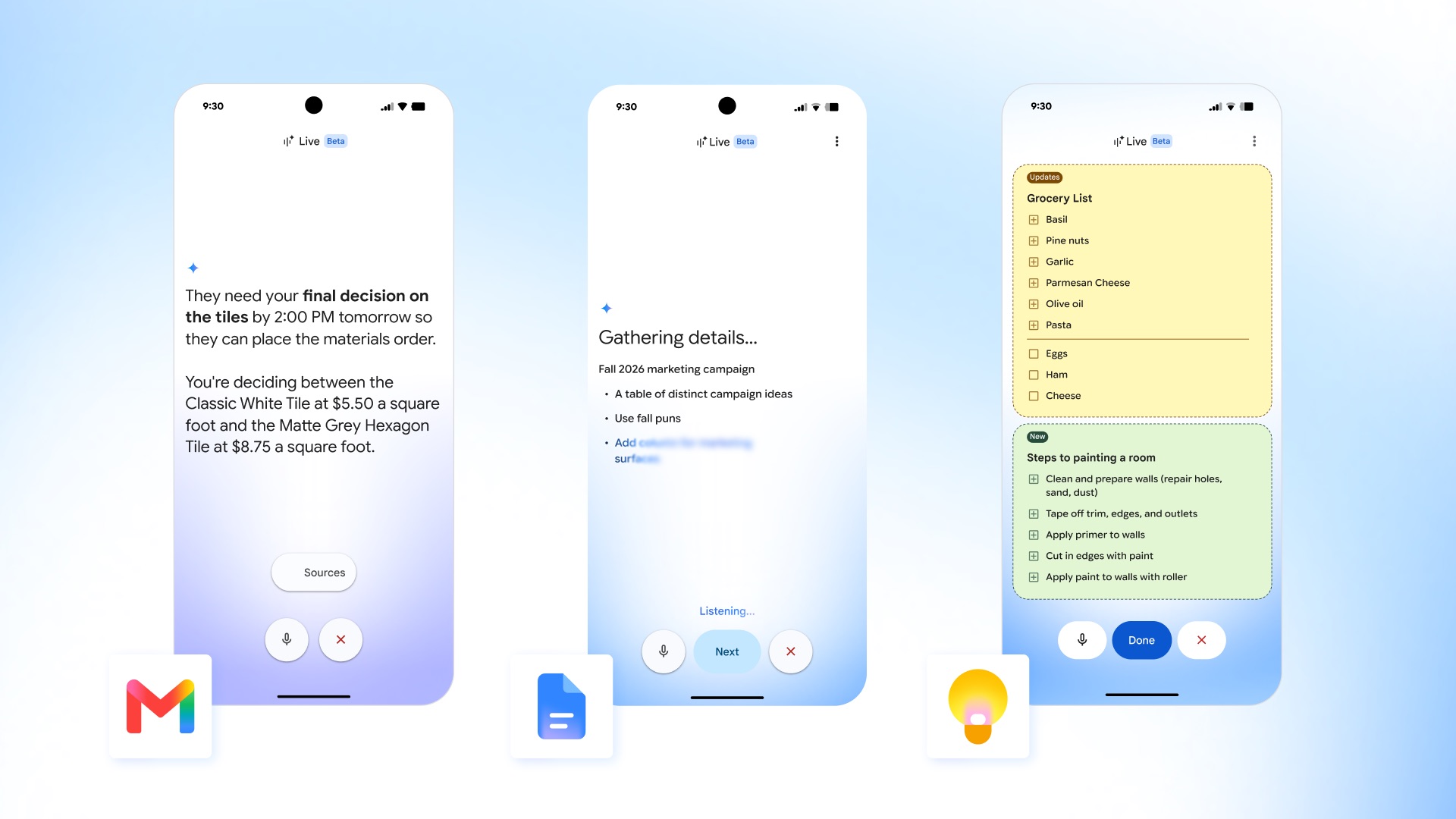
Another crucial principle is understanding. This involves designing AI that can interpret human intent accurately, even when expressed imprecisely or conversationally. It also means the AI should communicate its own understanding and limitations clearly. Source 3, detailing Google's new AI voice features in Gmail, Docs, and Keep, exemplifies this by enabling users to draft documents or search emails conversationally. This move towards natural language interfaces is a direct application of the PAIR philosophy, aiming to reduce the cognitive load on users and make AI interaction more seamless.
Trust is paramount. Users must feel confident in the AI's outputs and its reliability. This is achieved through transparency in how data is used, clear communication of uncertainties, and robust mechanisms for error detection and correction. The guidebook suggests designing AI systems that can explain their reasoning, provide confidence scores, and allow users to easily flag errors or provide feedback. This directly addresses the frustration users experience when encountering inaccuracies, as described in Source 2, turning potential negative interactions into opportunities for learning and improvement for both the user and the AI.

Designing for AI-Powered Applications
The PAIR Guidebook provides practical guidance for translating these principles into actionable design choices. For developers building AI products, it emphasizes the importance of iterative design and user testing. It encourages thinking about the AI's role in the broader user workflow. For instance, in productivity tools like Google Docs or Keep, AI should assist in content creation, summarization, or organization without disrupting the user's creative flow. This involves designing interfaces that clearly delineate AI-generated content from user-created content and providing intuitive controls for editing or discarding AI suggestions.
The guidebook also touches upon the ethical considerations inherent in AI design. This includes addressing potential biases in AI models, ensuring fairness, and protecting user privacy. It advocates for proactive measures to identify and mitigate these risks throughout the development lifecycle. The goal is to create AI systems that are not only effective but also responsible and equitable, contributing positively to user experiences and society at large.
Source 1, a Reddit post inquiring about the usefulness of the PAIR Guidebook for AI product design, highlights the practical need for such resources. Developers and designers are actively seeking guidance on how to effectively integrate AI into their products. The questions raised on Reddit reflect a broader industry challenge: moving from theoretical AI capabilities to tangible, user-friendly applications. The PAIR Guidebook aims to bridge this gap by providing a structured, human-centric approach that prioritizes the end-user at every stage of development.
The Future of Human-AI Interaction
Google's PAIR initiative and its accompanying guidebook represent a significant step towards a more considered approach to AI development. By focusing on the interplay between people and AI, Google is signaling a commitment to building AI that enhances human capabilities and fosters trust. This human-centric design philosophy is crucial as AI becomes more pervasive, influencing how we work, communicate, and interact with technology daily. The principles outlined in the PAIR Guidebook offer a valuable roadmap for anyone involved in creating the next generation of intelligent systems, ensuring they are built with people in mind.