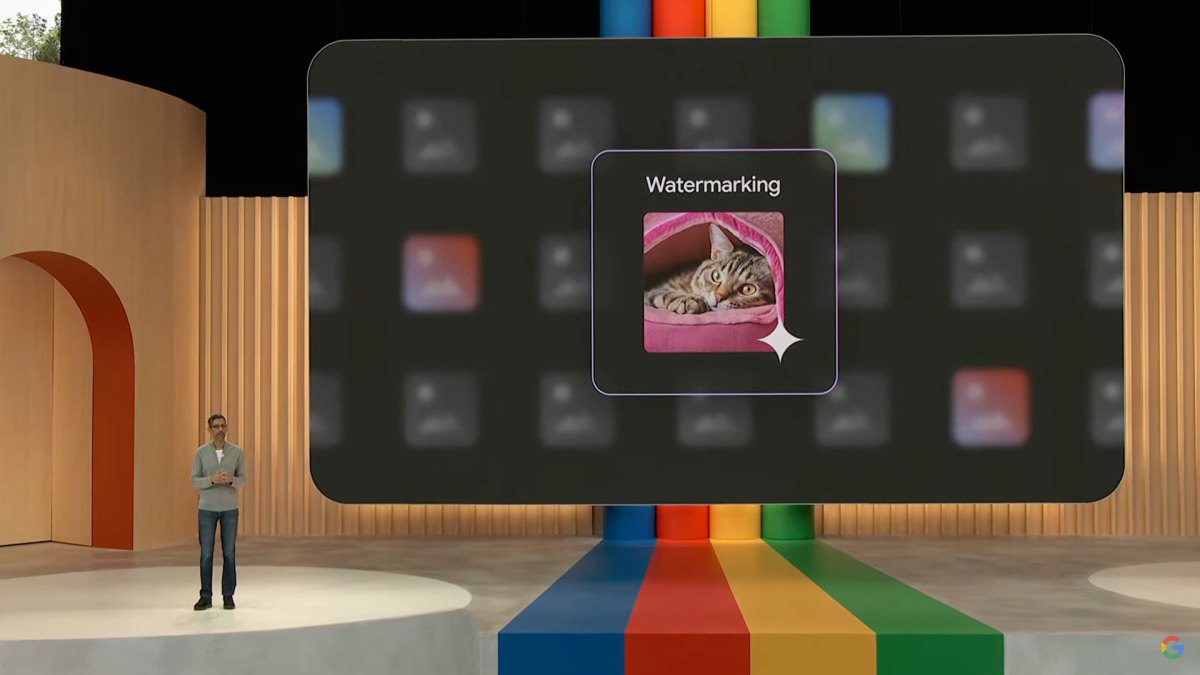
AI Image Detection in the Political Arena
A fabricated image depicting Kentucky Senator Mitch McConnell in a state of severe distress, seemingly in a hospital bed and connected to medical equipment, surfaced earlier this week. The image rapidly spread across social media platforms, intended to create a narrative of the senator’s declining health. However, the picture was not a genuine photograph but an artificial intelligence-generated deepfake.
The swift debunking of this image highlights the increasing sophistication of AI generation tools and the parallel, urgent need for robust detection mechanisms. Google's AI-powered detection system played a critical role in identifying the image as synthetic. This incident underscores a growing challenge for media literacy, political discourse, and public trust in an era where visual information can be manufactured with alarming ease.
How Google's Detector Works
While specific technical details of Google's deepfake detection system are proprietary, its application in this instance demonstrates a key capability: identifying artifacts and inconsistencies characteristic of AI image generation. These systems typically analyze a multitude of subtle digital fingerprints that are often imperceptible to the human eye but are telltale signs of machine creation. This can include unusual patterns in pixel distribution, inconsistencies in lighting and shadows, unnatural blending of elements, or repetitive textures that betray the generative process.
The system likely analyzes the image against a vast dataset of both real and AI-generated content, looking for deviations from what is statistically probable in authentic photography. It's not a single-point check but rather a multi-faceted analysis that evaluates various layers of the image data. The speed at which it could identify the McConnell image suggests a highly optimized and efficient model, crucial for responding to rapidly spreading misinformation.
The proliferation of advanced text-to-image models, such as those developed by OpenAI, Stability AI, and Midjourney, has democratized the creation of highly realistic synthetic media. While these tools offer creative potential, they also present a significant vector for disinformation campaigns. The ability to generate convincing fake images of public figures, particularly during sensitive political periods, poses a direct threat to informed public debate and electoral integrity.
This incident with Senator McConnell is not an isolated event. Similar AI-generated images and videos have been used to spread misinformation in various contexts, from creating fake celebrity endorsements to fabricating news events. The challenge lies in the fact that as detection technology improves, so too do the generation techniques, creating a continuous arms race.
Implications for Public Discourse and Media Integrity
The debunking of the McConnell deepfake by Google's system serves as a crucial reminder for both the public and technology platforms. For the public, it emphasizes the need for critical evaluation of all visual media, especially images that evoke strong emotional responses or present sensational claims. Developing a habit of questioning the source and seeking corroboration from reputable news outlets is paramount.
For social media platforms and news organizations, this incident reinforces the necessity of investing in and deploying advanced AI detection tools. The ability to quickly flag or remove synthetic media that is intended to deceive is vital for maintaining a healthy information ecosystem. The speed at which the McConnell image spread highlights the viral nature of online misinformation and the need for proactive, not just reactive, measures.
What nobody has addressed yet is the potential for these detection systems themselves to be targeted or bypassed. As generative AI becomes more sophisticated, the adversarial nature of detection and generation will likely intensify. Developers of detection tools will need to constantly adapt to new evasion techniques, ensuring their systems remain effective against increasingly clever fakes.
The development and deployment of AI detection systems like Google's are a necessary countermeasure in the ongoing battle against synthetic media manipulation. However, they are only one part of the solution. Education, critical thinking, and platform accountability are equally important components in safeguarding public discourse from the pervasive threat of deepfakes.
The incident also raises questions about the intent behind such fabrications. Was this a targeted political attack, a test of detection systems, or simply an act of malicious mischief? Understanding the motivations can help in developing more effective strategies to combat future disinformation campaigns. The rapid identification of the McConnell image, however, offers a glimmer of hope, demonstrating that technology can indeed be leveraged to combat its own problematic applications.