
Deeper Insights into Platform Performance
Google is enhancing its Search Console by introducing new tools that offer creators more granular data on how their content performs across various Google properties. Previously, Search Console primarily focused on organic search traffic to a website. This expansion aims to give creators, publishers, and website owners a more holistic view of their reach and engagement within the Google ecosystem.
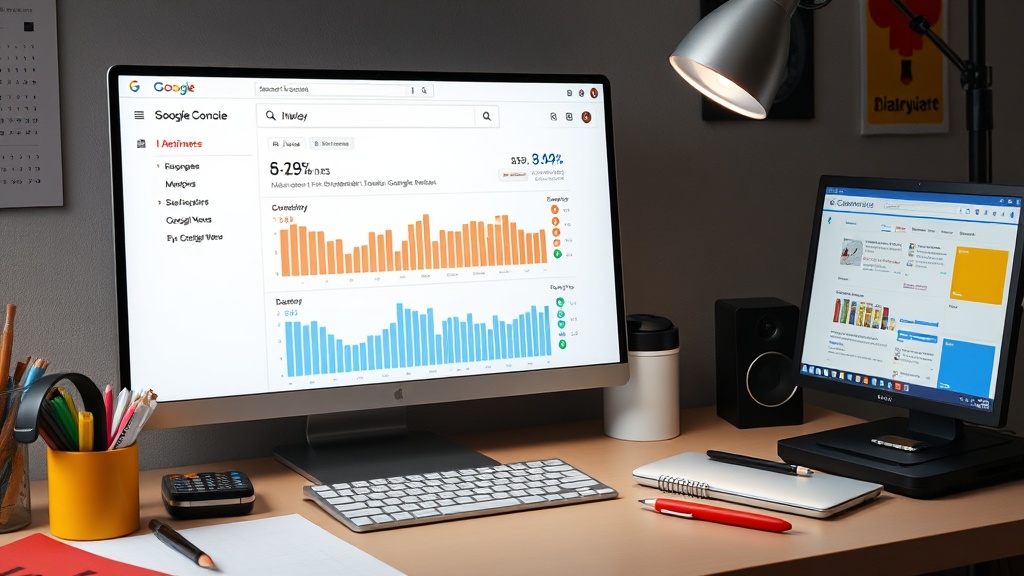
The update introduces the ability to see performance data for content that appears in Google Discover, Google News, and Google Images directly within Search Console. This means creators can now track impressions, clicks, and click-through rates for content surfaced through these influential channels, alongside their traditional organic search performance. This unified view is crucial for understanding the full spectrum of how Google surfaces and distributes content to users.
For publishers and content creators, this means a significant shift in how they can analyze and optimize their strategies. Instead of relying on separate analytics for different Google products, they can now access a consolidated dashboard. This allows for a more integrated approach to content strategy, where insights from Discover performance can inform SEO tactics for organic search, and vice versa.
Understanding Google Discover and News Performance
Google Discover, the personalized content feed that appears on Android devices and within the Google app, has become a significant traffic driver for many sites. However, understanding what content resonates within Discover has historically been a challenge. The new Search Console features provide direct metrics for impressions and clicks generated by Discover. This data will help creators identify topics, formats, and presentation styles that perform well in this feed, enabling them to tailor their content more effectively for personalized recommendations.
Similarly, the integration of Google News performance data is a major step for news publishers. They can now see how their articles are performing within the Google News app and on news.google.com. This includes understanding which headlines and topics are driving the most engagement, and how their content is being featured. For news organizations, this granular data can inform editorial decisions, optimize content for visibility, and better understand audience consumption patterns within a key news aggregation platform.
The ability to differentiate between traffic sources within Google’s own ecosystem is invaluable. A piece of content might perform exceptionally well in organic search but falter in Discover, or vice versa. This new data allows creators to diagnose these differences and adjust their content creation and promotion strategies accordingly. It moves beyond simply optimizing for search engine ranking to optimizing for visibility and engagement across a wider range of Google surfaces.
Impact on SEO and Content Strategy
The implications for Search Engine Optimization (SEO) are substantial. While traditional on-page and off-page SEO techniques remain critical for organic search, this update emphasizes the importance of creating content that is also discoverable and engaging within Google’s algorithmic feeds. This means considering factors like topical authority, engaging headlines, and visual appeal, which are known to perform well in Discover and Google News.
Creators can now use these new metrics to refine their content calendars. By analyzing which articles perform best in Discover, for example, they can identify emerging trends and user interests that might not yet be prominent in traditional search queries. This proactive approach can help them stay ahead of the curve and capture audience attention on new and evolving platforms.
The surprise here is not just the addition of new data, but the consolidation. Historically, understanding performance across Google’s varied properties required disparate tools and significant manual analysis. Bringing these metrics under the Search Console umbrella streamlines the process and makes complex data more accessible. This is less about a new feature and more about a fundamental shift in how Google provides visibility into content distribution, akin to a chef finally getting a clear readout of how their dishes are being received not just in the dining room, but also at the takeaway window and the catering events, all from one kitchen report.
What This Means for Creators
For individual creators, bloggers, and small publishers, this update democratizes access to powerful analytics. Previously, deep dives into platform-specific performance might have required dedicated analytics tools or complex data integrations. Now, a wealth of information is available directly within a tool many already use. This empowers them to compete more effectively by understanding and leveraging the nuances of Google’s content distribution mechanisms.
The challenge for creators will be to adapt their workflows to incorporate these new data streams. It requires not just technical understanding but also a strategic shift in how content is conceptualized, produced, and analyzed. The focus moves from a singular optimization for search queries to a more multifaceted approach that considers user intent and algorithmic surfacing across multiple Google touchpoints.
Ultimately, Google Search Console's expanded capabilities signal a move towards a more integrated content ecosystem. Creators who can effectively leverage these new insights will be better positioned to grow their audience and increase their reach across the vast network of Google’s platforms. This is not just about more data; it's about actionable intelligence for a more dynamic digital landscape.