Google Introduces Selfie Video for Account Access
Google is rolling out a new feature that allows users to use short selfie videos for account recovery and verification. This move provides an alternative sign-in method for situations where users might be locked out of their accounts or lack access to their primary devices. The company states this offers a more intuitive and accessible way to regain control of an account.
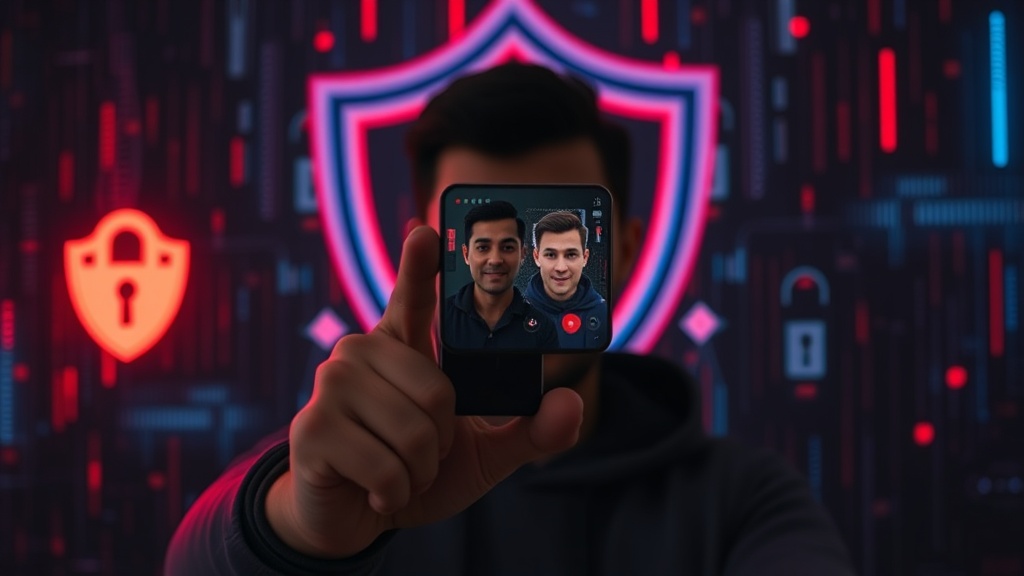
The selfie video functionality is designed to be a user-friendly alternative to traditional password-based authentication or multi-factor authentication codes. Instead of typing a password or receiving a code on a registered device, users will be prompted to record a brief video of themselves speaking a specific phrase or performing a simple action, like turning their head. This video is then processed by Google's systems to verify their identity.
This feature is particularly aimed at mitigating the common frustration of being locked out of an account due to a forgotten password or a lost or inaccessible device. By enabling a visual and behavioral verification method, Google seeks to reduce the friction associated with account recovery processes, which can often be cumbersome and time-consuming. The company emphasizes that this is an opt-in feature, giving users control over whether they want to enable it for their accounts.
Beyond Account Recovery: AI Avatars and Age Verification
The utility of these selfie videos extends beyond just account recovery. Google plans to leverage this technology for other identity-related functions. One significant application is the creation of AI-powered avatars. Users can record a selfie video, which can then be used to generate a personalized digital representation for use in various Google services, potentially enhancing user engagement and personalization within its ecosystem.
Another key use case is age verification. For services that require users to be above a certain age, such as YouTube or Google Play, these selfie videos can serve as a more robust method of confirming a user's age. This is particularly relevant as regulatory pressures around online child safety and data privacy increase. The ability to verify age through a video capture could streamline the onboarding process for certain services while maintaining compliance with legal requirements.
The underlying technology relies on advanced AI and machine learning models. These models analyze various aspects of the video, including facial movements, voice patterns (if a phrase is spoken), and the overall consistency of the recording. Google assures users that these videos are processed securely and are not intended for general surveillance or other unrelated purposes. The focus remains on identity verification and enhancing user experience within their platform.
Security and Privacy Considerations
Google acknowledges the inherent privacy and security concerns associated with collecting video data. The company states that the selfie videos are encrypted and stored securely, and they are only used for the specific verification purposes the user has authorized. They are not linked to other Google services unless explicitly permitted by the user, such as for avatar creation.
The process of recording the video is designed to be straightforward. Users will typically be guided through a short, on-screen process. This might involve aligning their face within a frame, speaking a predetermined phrase, or performing a specific gesture. The system then compares this recording against any stored reference data or uses it as a one-time verification token. The company has not detailed the exact duration of the videos or the specific phrases, but it's expected to be a quick, few-second recording.
The broader implication of this move is Google's continued investment in biometric and behavioral authentication methods. As passwords become increasingly vulnerable and traditional multi-factor authentication methods can still be bypassed or lost, companies are exploring more dynamic and user-centric ways to secure accounts. Selfie videos represent a step towards more multimodal authentication, combining visual and behavioral biometrics.
What remains to be seen is the effectiveness of this method against sophisticated spoofing techniques. While it adds a layer of security beyond simple passwords, advanced deepfake technology or other identity impersonation methods could potentially pose a challenge. Google's internal testing and ongoing monitoring will be crucial in ensuring the long-term security and reliability of this feature. Users who opt-in will need to trust Google's ability to protect this sensitive biometric data.
Broader Impact and User Adoption
The introduction of selfie video sign-in positions Google alongside other tech giants exploring similar identity verification methods. It signals a broader industry trend towards more flexible and less password-dependent authentication systems. For users, this means potentially fewer forgotten password recovery nightmares and quicker access to their digital lives.
The success of this feature will depend heavily on user trust and adoption. If users feel comfortable sharing video data for authentication, and if the process is indeed as seamless as advertised, it could become a widely used alternative. However, privacy-conscious individuals might remain hesitant, opting for more traditional methods. Google's transparency regarding data handling and security will be paramount in encouraging broader acceptance. The company is expected to provide clear opt-in prompts and accessible privacy controls.