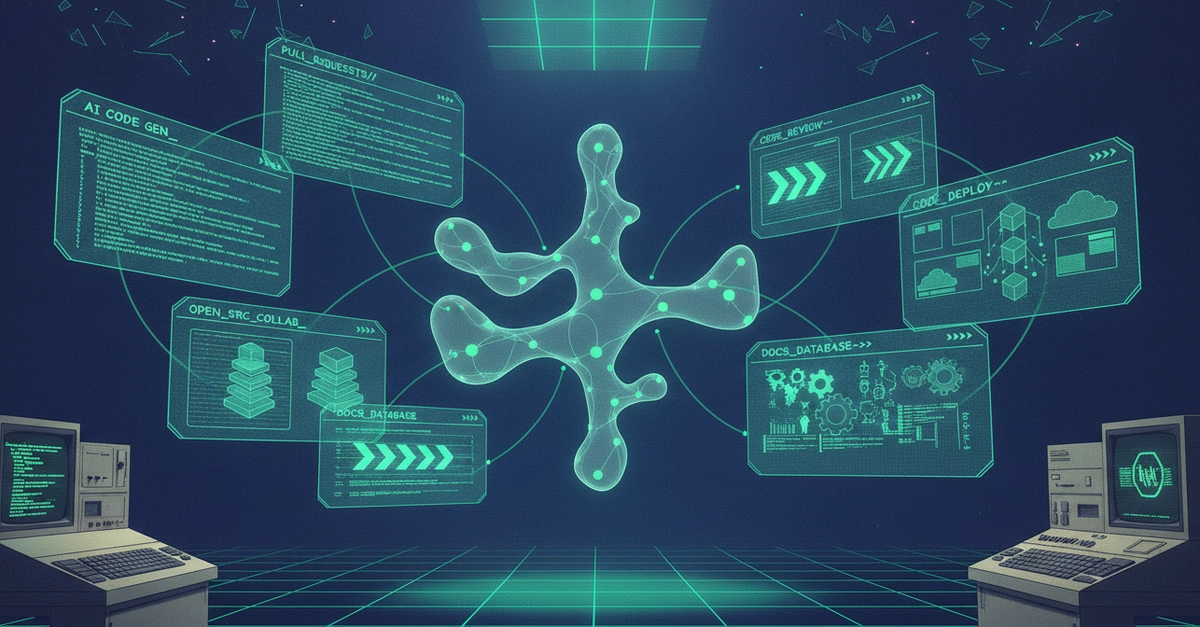
The Unsung Hero of Software Development
Every year, the tech landscape buzzes with the introduction of novel frameworks, advanced AI models, and cutting-edge editors. These innovations often capture the spotlight, dominating developer conversations and news cycles. Yet, beneath this constant churn of the new, one tool has quietly cemented itself at the core of software development for nearly two decades: Git. Its ubiquity and essential nature mean we often take it for granted, overlooking its profound impact on how software is built, shared, and evolved.
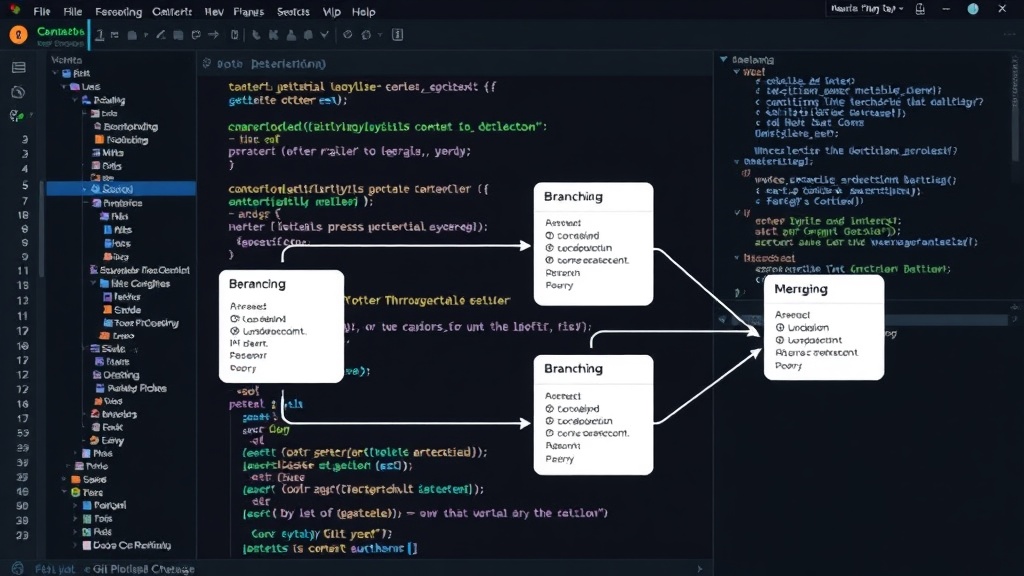
Git is far more than a simple version control system. It is a sophisticated system that captures the narrative of software creation. Each commit represents a distinct step, a historical marker in the project's journey. Every branch serves as a sandbox for experimentation, allowing developers to explore new features or fixes in isolation without disrupting the main codebase. Merging branches, in turn, embodies the essence of collaboration, bringing together disparate lines of work into a cohesive whole.
The true power of Git lies not just in its ability to store code, but in its capacity to record and reveal how software evolves over time. It provides an auditable history, a traceable lineage of every change, and a clear understanding of who did what, when, and why. This historical context is invaluable for debugging, understanding legacy code, and onboarding new team members.
The advent of platforms like GitHub transformed Git from a powerful command-line tool into the central nervous system of modern software development. GitHub, and similar platforms, democratized collaboration, making open-source projects more accessible and manageable. Features like pull requests revolutionized code review, fostering higher quality code through collective scrutiny. Continuous Integration and Continuous Deployment (CI/CD) pipelines became seamlessly integrated, automating the build, test, and deployment processes. Millions of collaborative projects, from small personal endeavors to massive enterprise applications, now rely on these Git-based workflows.
Git's Growing Importance in the AI Era
What is particularly striking is how Git's relevance has not diminished, but rather intensified, with the rise of AI-assisted development. While AI models can now generate code at an unprecedented pace, they have not replaced the fundamental need for robust version control. Instead, AI has amplified the importance of Git. As we generate more code, faster, the requirements for careful review, secure sharing, and clear historical understanding become even more critical. AI-generated code still needs to be integrated into larger systems, its functionality verified, and its long-term maintainability ensured. Git provides the essential framework for these post-generation activities.
Consider the process of integrating AI-generated code. A developer might prompt an AI to generate a complex algorithm. The AI outputs thousands of lines of code. This code is not production-ready. It needs to be placed in a new branch, meticulously reviewed by human developers for correctness, security vulnerabilities, and adherence to project standards. It needs to be tested, potentially modified, and then merged back into the main codebase. Throughout this process, Git tracks every iteration, every correction, and every decision made. Without Git, managing this influx of AI-generated code would be chaotic, leading to integration nightmares and a loss of project integrity.
The concept of a "commit message" takes on new meaning when AI is involved. While traditionally a human-written summary, AI-generated code might require a commit message that explains not just *what* changed, but *why* the AI suggested this particular change, or what prompt led to this output. This adds a layer of meta-commentary to the commit history, making it a richer source of information.
The Future is Git-First
This enduring and growing importance of Git suggests a clear direction for the next generation of developer tools. The paradigm should shift towards being Git-first, rather than simply integrating Git as an afterthought. This means designing tools that natively understand and leverage Git's capabilities from the ground up. Imagine IDEs that offer deeper insights into commit history directly within the code editor, AI code generation tools that automatically create meaningful commit messages and branch strategies, or project management tools that are intrinsically linked to the Git repository's state.
A Git-first approach means that every new tool, every new platform, and every new workflow should consider how it interacts with the repository. How does it handle branching? How does it facilitate code reviews? How does it support CI/CD? If a tool cannot answer these questions elegantly, it risks becoming another siloed piece of the development puzzle, rather than an integrated part of the collaborative, evolving software lifecycle.
This is not to say that AI and new frameworks are unimportant. They are crucial drivers of innovation. However, they build upon the foundation that Git provides. Git is the common language, the shared infrastructure that allows these new technologies to be integrated, managed, and maintained effectively. It is the constant in a sea of variables, the reliable anchor in a rapidly changing ocean of development practices. Its quiet persistence is not a sign of stagnation, but of fundamental utility and elegant design that continues to serve the evolving needs of software development.
The surprising detail is not that Git remains relevant, but that its importance has grown precisely because of the disruptions caused by AI. Instead of being rendered obsolete, Git has become more critical than ever as the mechanism for managing the velocity and complexity that AI introduces. It’s the bedrock upon which the future of software development will be built, and any tool that ignores this reality will struggle to find its place.