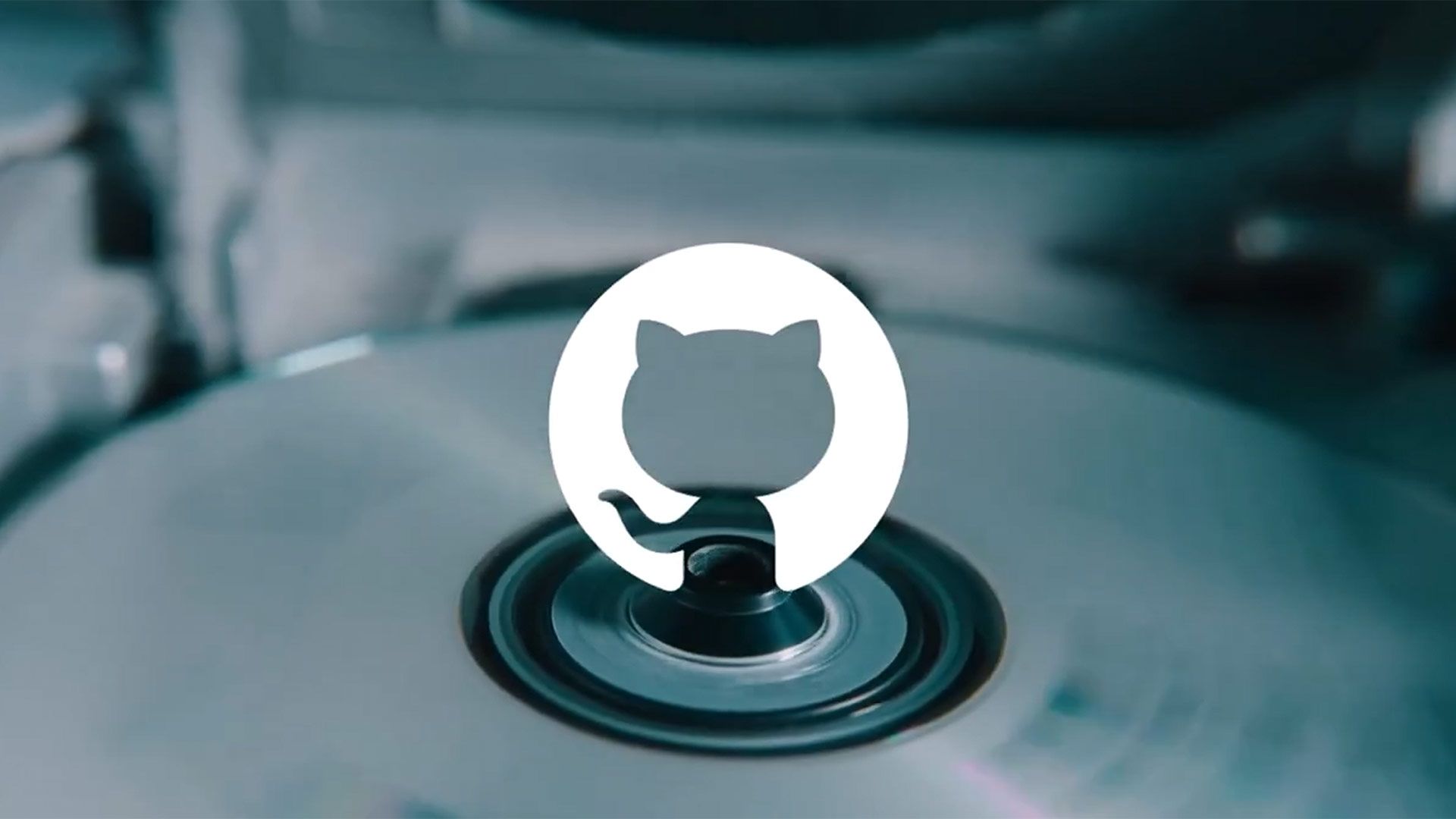
GitHub's Physical Code Archive
GitHub has introduced a novel initiative, offering developers a tangible way to preserve their public code repositories on CD-ROMs. This limited run of 1,000 discs, dubbed "Repo CDs," directly contrasts with Sony's recent decision to phase out physical game discs for its PlayStation 5. The move by GitHub positions itself as a champion for long-term digital preservation, providing a physical backup for code that might otherwise be subject to the vagaries of digital-only distribution and platform changes.
The context for this launch is significant. Sony's PlayStation Store has been a focal point for discussions about digital media's ephemeral nature. The company's initial plans to close the PS3 and PS Vita stores, though later reversed for the Vita, highlighted concerns about the permanence of digital purchases and the potential loss of access to games over time. This sparked a broader conversation within the gaming community and beyond about the importance of physical media as a guarantee of ownership and access, independent of platform operators or digital storefronts. GitHub's Repo CDs tap into this sentiment, offering a physical artifact of digital creation. It’s less about the storage capacity of a CD-ROM and more about the statement it makes regarding data permanence and developer sovereignty over their work.
Preservation in the Digital Age
The Repo CDs are not intended as a primary distribution method or a replacement for cloud-based repositories. Instead, GitHub frames them as a tool for archival and a statement piece. Each CD-ROM will contain a snapshot of a public GitHub repository. This approach offers a unique form of data redundancy and a highly durable, offline backup. In an era where cloud services can change terms, go offline, or suffer data loss, a physical medium provides a different layer of security. Think of it less like a cloud backup and more like a time capsule for your code, sealed and delivered.
The limited nature of the 1,000 discs underscores their collectible and symbolic value. Developers who secure one will possess a unique physical representation of their digital contributions. This initiative also serves to highlight the value of open-source code and the collective digital heritage that public repositories represent. By offering this physical format, GitHub is acknowledging that even in a predominantly digital world, there is still a place and a desire for tangible records of achievement and innovation. The choice of CD-ROM, a format often associated with older digital media, adds a layer of nostalgia and emphasizes the long-term, stable nature of the data it holds, in contrast to the rapid obsolescence of some modern storage technologies.
The Statement Against Digital Ephemerality
GitHub's decision to launch Repo CDs can be seen as a direct response to the growing concerns surrounding digital media's permanence, exemplified by Sony's actions. The gaming industry, in particular, has seen a significant shift away from physical discs. While this offers convenience and reduces manufacturing costs, it raises questions about long-term access. If a digital storefront closes, or a license is revoked, a purchased game could effectively vanish. GitHub's Repo CDs offer a counter-narrative, providing developers with a method to ensure their public work remains accessible, even if the digital platforms hosting it were to disappear or change their policies.
The initiative also subtly critiques the broader trend of relying solely on centralized digital platforms for code storage and version control. While GitHub is itself a dominant platform, offering a physical artifact encourages a mindset of independent archiving. It prompts developers to consider their own strategies for ensuring the longevity of their projects, beyond the immediate convenience of a web-based service. The 1,000 Repo CDs are a conversation starter, a physical manifestation of the ongoing debate about digital ownership, preservation, and the future of our shared digital creations. What nobody has addressed yet is the long-term cost and logistics of managing such physical archives for an ever-increasing volume of code.
Implications and Future Possibilities
While the Repo CDs are a niche product, they signal a broader trend of seeking tangible connections to our digital lives. For developers, it offers a unique way to memorialize significant projects or contributions to open source. It could also inspire similar initiatives in other digital creative fields. The success of this limited run might pave the way for more robust archival solutions, perhaps utilizing more modern physical media or even decentralized, long-term storage solutions that offer greater capacity and durability.
The surprising detail here is not the offering of CDs, but the explicit framing of this as a counterpoint to Sony's digital-only push. GitHub, a platform intrinsically tied to the digital realm, is using a decidedly analog format to make a point about digital permanence. This is a bold move that resonates with a user base increasingly concerned about the control they have over their digital assets. The initiative serves as a potent reminder that while digital is convenient, physical offers a different kind of security and permanence that still holds significant value.