The Ghost Font Conundrum
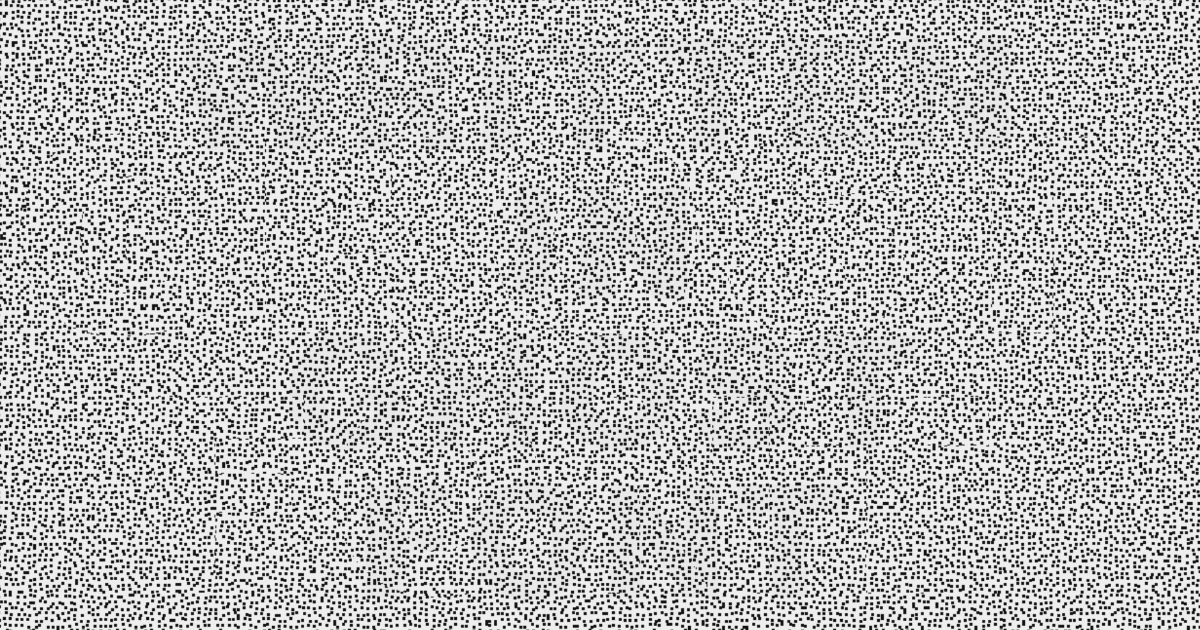
A peculiar typographic innovation, dubbed 'Ghost Font,' has emerged, claiming a unique capability: it's readable by humans but imperceptible to artificial intelligence-driven optical character recognition (OCR) systems. This development, surfacing on platforms like Hacker News, presents a fascinating dichotomy in how we perceive and process information, pitting human visual cognition against machine learning algorithms. The core idea is to create text that appears perfectly normal to the human eye, yet its underlying digital representation is subtly altered in a way that confounds current AI models trained to recognize and extract text from images or digital documents.
The implications are multifaceted. On one hand, it could serve as a novel security measure, a CAPTCHA that doesn't require users to identify distorted numbers or traffic lights. Imagine login screens where the security code is visually clear but computationally unreadable by bots. On the other hand, it introduces a potential barrier for accessibility tools that rely on AI to read text for visually impaired users. This is not merely an academic curiosity; it touches upon the fundamental ways we interact with digital content and the growing reliance on AI to interpret it.
How Ghost Font Works (Theoretically)
While the precise technical implementation of Ghost Font remains proprietary to its creators, the concept generally revolves around exploiting the specific ways AI models 'see' and process characters. Unlike humans, who recognize letters through a complex interplay of shape, context, and prior knowledge, AI OCR systems break down images into pixels, analyze patterns, and compare them against vast datasets of known characters. Ghost Font likely introduces subtle, almost imperceptible perturbations to the character shapes or their spacing. These perturbations are designed to fall outside the typical variance that AI models are trained to tolerate, thus causing misclassification or complete failure to recognize the characters.
Consider the analogy of a magician’s sleight of hand. A human audience sees the object disappear and reappear because their brains fill in the gaps and interpret the movements holistically. An AI, however, might be trained to look for very specific pixel arrangements and transitions. If those arrangements are subtly 'off' – perhaps a character is slightly stretched in a way that human vision smooths over but an algorithm flags as an anomaly – the AI might simply not register it as text. This is less about making the font look different and more about making it look 'wrong' to a machine without looking 'wrong' to a human.
Beyond CAPTCHAs: Broader Implications
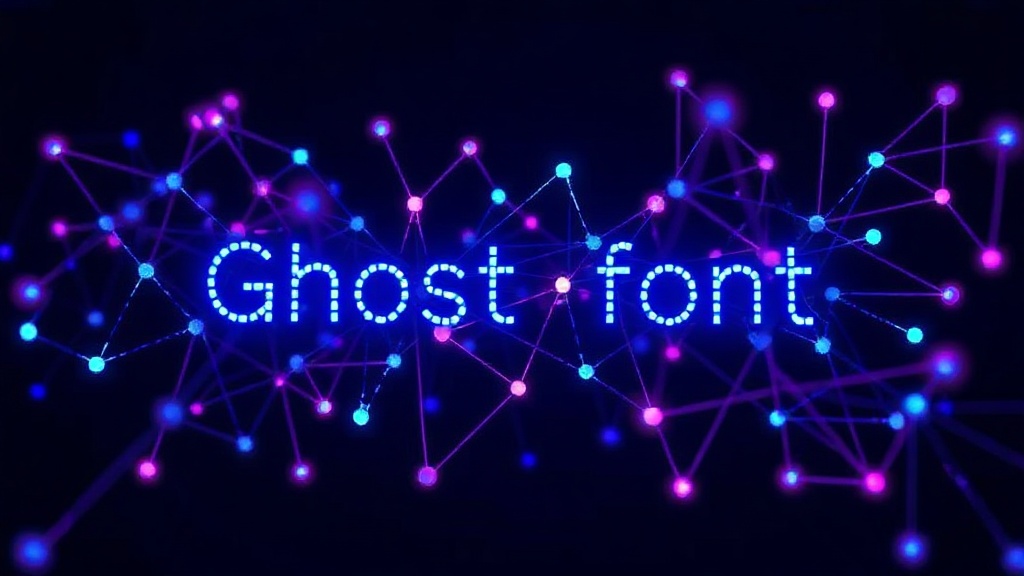
The potential applications extend far beyond simple bot deterrence. In a world increasingly saturated with AI-generated content and automated analysis, Ghost Font could represent a new frontier in digital information control. Imagine sensitive documents embedded with text that only authorized human readers can access, or digital art that requires a human touch to fully appreciate its textual elements. It forces us to consider a future where the digital divide isn't just about access to technology, but about the very nature of readable information.
However, the development also surfaces a critical question about the democratization of information. If AI becomes the primary tool for processing and understanding vast quantities of digital text – for research, for accessibility, for information retrieval – then a font that actively resists AI interpretation could inadvertently create new forms of exclusion. What happens to the individuals who rely on AI-powered screen readers or summarization tools if a significant portion of web content becomes effectively invisible to them? The development team behind Ghost Font has not yet publicly addressed these accessibility concerns, leaving a significant question mark hanging over its widespread adoption.
The AI Challenge and the Future of Typography
This innovation is a direct challenge to the current trajectory of AI development, particularly in natural language processing and computer vision. As AI models become more sophisticated, their ability to 'read' and understand text improves dramatically. Technologies like those discussed in the context of AI ROI debates, where AI is expected to unlock trillions in value, are predicated on its ability to process information efficiently. Ghost Font represents a deliberate obfuscation layer, a form of adversarial text designed to highlight the current limitations and specific training biases of AI models.
It’s a reminder that AI perception is not human perception. While AI excels at pattern recognition at scale, it often lacks the nuanced contextual understanding and error-tolerance that humans possess. This is reminiscent of other AI challenges, such as the difficulty AI has in fully understanding complex historical software, as seen with efforts to 'recreate' games like Thrust. While AI can assist in understanding code, the holistic, creative, and context-aware interpretation often remains a human domain. Ghost Font is a testament to the fact that for now, at least, human readability remains a distinct and potentially valuable characteristic.
The future of typography may well involve a dynamic interplay between human-centric design and AI-resistant techniques. As AI continues to evolve, we might see a cat-and-mouse game emerge, with new fonts designed to fool AI, and new AI models trained to detect and decipher them. For designers, developers, and security professionals, understanding the principles behind Ghost Font is crucial. It’s not just about a new font; it’s about the evolving relationship between human cognition and artificial intelligence, and how we choose to mediate that interaction through the very letters we use.