%22%20%2F%3E%0A%20%20%3C%2Fsvg%3E)
Geological Survey Uncovers Deep Geothermal Energy Prospects
Geological and geophysical characterization of two exploration boreholes, EB1 and EB2, in the Inde Syncline of the Rhenish Massif has unveiled significant potential for deep geothermal energy in western Germany. The findings, detailed in a pre-publication from Schweizerbart, suggest that the region's complex geological structure could host a viable source of renewable energy, distinct from conventional geothermal approaches.
The Rhenish Massif, a geologically active area shaped by ancient tectonic forces, presents a unique environment for exploring subsurface heat. Unlike shallower geothermal systems that rely on naturally occurring hot water or steam, the focus here is on Enhanced Geothermal Systems (EGS). EGS technologies aim to create or enhance permeability in hot, dry rock formations deep underground. Water is injected into the hot rock, heated by the Earth's internal warmth, and then brought back to the surface to generate electricity. This method can unlock geothermal potential in regions not previously considered suitable.
Characterizing the Exploration Sites
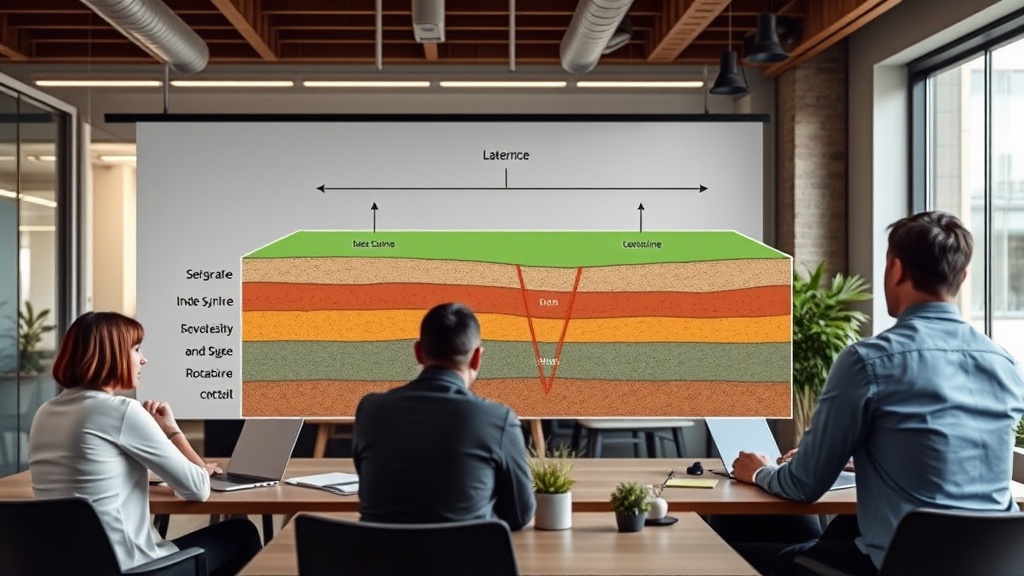
The research specifically examined boreholes EB1 and EB2, located within the Inde Syncline. This geological formation is part of the Rhenohercynian Fold and Thrust Belt, a zone characterized by intense deformation from past continental collisions. The Weisweiler Horst, part of the Lower Rhine Embayment, also provided crucial data. These areas are known for their complex stratigraphy and structural history, including faulting and folding, which can influence subsurface fluid flow and thermal properties.
The study involved detailed geological mapping and geophysical surveys. Geophysical methods, such as seismic surveys and well logging, provide insights into the rock types, their physical properties (like density and porosity), and the presence of fractures or faults at depth. These techniques are essential for understanding the subsurface architecture and identifying zones with favorable thermal gradients and permeability. The data collected from EB1 and EB2 allowed researchers to build a three-dimensional model of the underground, crucial for assessing the feasibility of an EGS project.
Key findings from the borehole data include the lithological composition of the rock formations, the depth and intensity of fracturing, and the in-situ stress conditions. Understanding these factors is paramount. For EGS to be effective, the rock must be hot enough (typically above 150°C) and possess sufficient natural or induced permeability to allow for efficient heat extraction. High stress conditions can either aid or hinder the creation of fractures, depending on their orientation relative to the stress field.
Potential for Enhanced Geothermal Systems (EGS)
The geological makeup of the Rhenish Massif, with its deep-seated crystalline basement rocks and overlying sedimentary sequences that have undergone significant tectonic stress, is considered a prime candidate for EGS. The presence of natural fracture networks, often a byproduct of intense geological deformation, could potentially reduce the amount of stimulation needed to create a viable reservoir. This is a significant advantage, as the stimulation phase is often the most technically challenging and expensive part of EGS development.
Researchers are particularly interested in the thermal conductivity and geothermal gradient of the rock formations. A higher thermal gradient means that temperature increases more rapidly with depth, leading to hotter rocks at more accessible depths. The study likely quantified these parameters, providing critical input for reservoir modeling. The ability to extract heat efficiently depends directly on the rock's thermal properties and the volume of rock that can be effectively fractured and accessed by the circulating fluid.
What remains to be fully understood is the exact extent and connectivity of these favorable geological features across the broader Rhenish Massif. While EB1 and EB2 provide crucial data points, a comprehensive assessment would require a wider network of exploration boreholes and more extensive geophysical surveys. The success of any EGS project hinges on accurately characterizing the subsurface reservoir potential over a significant area.
Implications for Germany's Energy Transition
Germany has ambitious renewable energy targets as part of its Energiewende, aiming to phase out fossil fuels and nuclear power. While solar and wind energy have seen substantial growth, baseload renewable power sources are critical for grid stability. Deep geothermal energy, particularly EGS, offers the potential for a constant, reliable supply of clean energy, independent of weather conditions. This could complement intermittent renewables and significantly contribute to decarbonizing the energy sector.
The exploration in the Rhenish Massif is part of a broader effort to diversify Germany's renewable energy portfolio. Unlike conventional geothermal power, which is often limited to specific volcanic or tectonic regions, EGS technology theoretically makes geothermal energy accessible in many more locations. If the potential identified in these boreholes can be scaled up, it could represent a substantial new source of domestic, sustainable energy for Germany.
The next steps would likely involve further detailed site characterization, feasibility studies, and potentially pilot projects to test the stimulation techniques and energy extraction efficiency. Economic viability will also be a key factor, as EGS projects are capital-intensive. However, with increasing carbon pricing and the drive for energy independence, the economic case for such projects is strengthening.
Challenges and Future Outlook
Despite the promising geological indicators, significant challenges remain for the widespread deployment of deep geothermal energy in Germany. These include the high upfront costs of exploration and drilling, the technical complexities of reservoir stimulation, and public perception regarding induced seismicity, which can be a concern with EGS. Rigorous site selection and advanced reservoir management techniques are necessary to mitigate these risks.
The research published by Schweizerbart provides a vital scientific foundation for future exploration. It moves beyond theoretical models to provide empirical data from actual subsurface investigations. This data is invaluable for refining exploration strategies, improving reservoir simulation models, and ultimately de-risking future investments in deep geothermal energy projects in Germany and potentially similar geological settings worldwide.
If these findings translate into successful EGS development, Germany could tap into a vast, sustainable energy resource hidden beneath its soil, significantly bolstering its efforts towards a carbon-neutral future. The detailed characterization of boreholes EB1 and EB2 marks an important step in this ongoing quest.