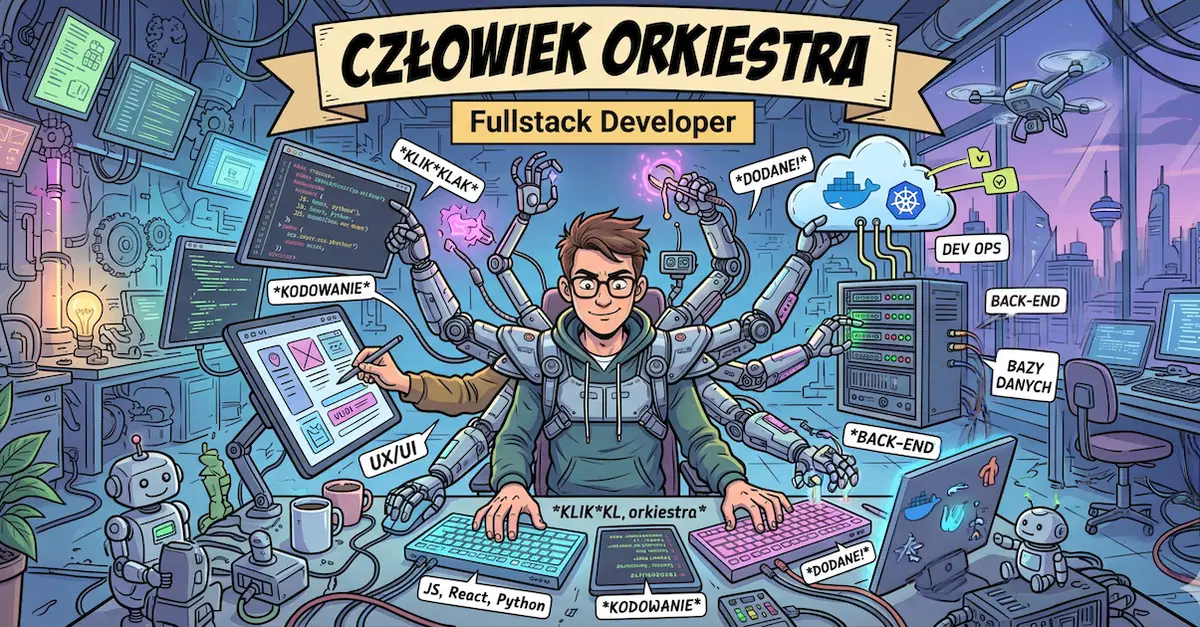
The Rise of the Generalist in a Specialized World
For two decades, the IT industry has systematically carved out specialized roles. Web development, in particular, fractured into frontend and backend. The frontend developer crafts the user interface—what you see and interact with. The backend developer builds the engine room—the servers, databases, and logic that power the application. This division, while fostering deep expertise in narrow domains, created silos. Yet, a persistent group of developers defied this trend, mastering both the visible and the invisible aspects of application development. They became known as "Fullstacks," or more colorfully, "One-Man Bands." Initially, the market dubbed them Fullstacks, only to later express frustration as the frontend and backend worlds evolved at breakneck speed, making it nearly impossible to remain a top-tier expert in both.
This rapid evolution meant that a developer who could expertly navigate both the UI and the server-side logic gained a unique advantage. They could envision and build entire solutions, from the database queries to the pixel-perfect buttons on a webpage. This holistic capability is what earned them the "One-Man Band" moniker—a developer capable of performing an entire symphony alone. While the industry pushed for hyper-specialization, the fullstack developer represented a different path: one of breadth and interconnected understanding. This wasn't just about knowing multiple technologies; it was about understanding how they fit together to deliver a complete user experience and functional system.
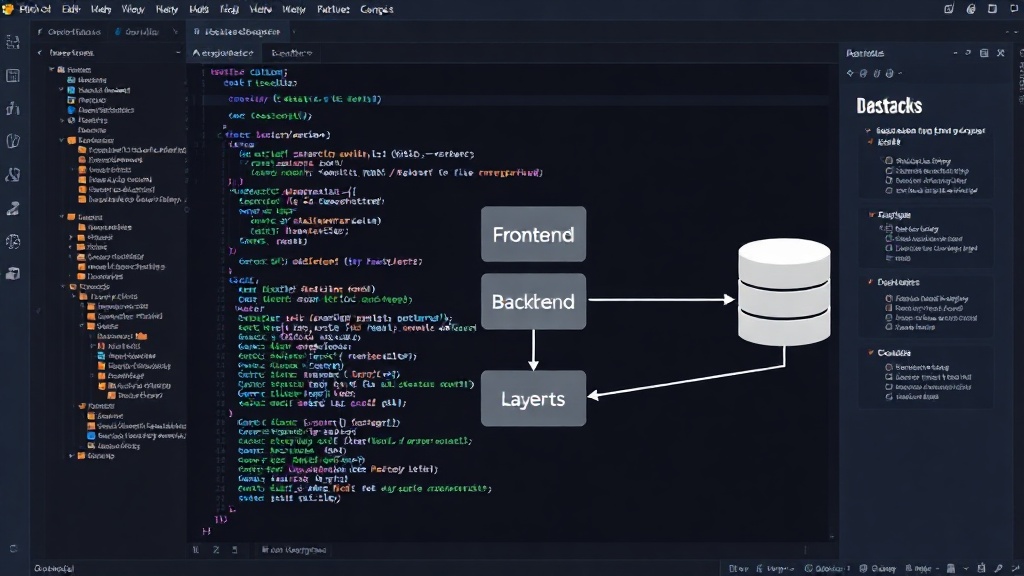
Bridging the Gap: Why Fullstacks Matter
The necessity of fullstack developers became undeniable as companies recognized the inefficiencies and communication overhead created by strict specialization. In smaller teams or startups, having developers who can contribute across the stack accelerates development cycles. They can prototype faster, identify bottlenecks more effectively, and possess a more intuitive grasp of how changes in one area impact another. This isn't about being a master of all trades and an expert in none; it's about having sufficient proficiency in multiple areas to build and maintain cohesive systems. A fullstack developer can seamlessly transition from designing a responsive UI component to optimizing a database query, reducing the need for constant handoffs and context switching between specialized teams.
Consider a scenario where a new feature requires changes to both the user interface and the underlying API. A purely frontend specialist might struggle to understand the backend constraints, while a backend specialist might not fully grasp the user experience implications. The fullstack developer, however, can see the entire picture. They can propose solutions that are technically feasible on the server and aesthetically pleasing and functional for the user. This integrated perspective is invaluable, especially in agile environments where rapid iteration and adaptability are key. They are the glue that holds disparate parts of an application together, ensuring that the whole is greater than the sum of its specialized parts.
The Evolving Role: Beyond Jack-of-All-Trades
The perception of fullstack developers has shifted. While early criticisms focused on the difficulty of maintaining deep expertise across rapidly evolving frontend and backend landscapes, the modern fullstack developer is often a highly skilled individual with a deep understanding of core principles and a strategic approach to technology adoption. They don't necessarily need to be the world's leading expert in every single JavaScript framework or every database tuning technique. Instead, they excel at selecting the right tools for the job, understanding system architecture, and ensuring that all components work in harmony. Their value lies in their ability to see the forest *and* the trees.
This adaptability is crucial. The tech landscape is a constant churn of new frameworks, libraries, and methodologies. A true fullstack developer isn't just someone who learned React and Node.js five years ago. They are continuously learning, understanding how new technologies can be integrated into existing systems or used to build more robust solutions. They might specialize in a particular stack (e.g., MERN, MEAN, LAMP) but possess the foundational knowledge to adapt to new stacks as needed. Their strength lies in their comprehensive understanding of the development lifecycle, from initial concept and architecture to deployment and maintenance. They are the engineers who can not only build a bridge but also understand the geology of the land on either side and the flow of the river beneath.
The Future is Integrated
The trend towards fullstack capabilities is unlikely to reverse. As technology continues to become more integrated and user expectations for seamless experiences rise, the demand for developers who can operate across the entire stack will only grow. Companies that embrace and cultivate fullstack talent will find themselves more agile, more efficient, and better equipped to navigate the complexities of modern software development. The "One-Man Band" is no longer an anomaly; it is a critical component of a high-performing tech organization. Their ability to connect the dots between user interface and server-side logic, between database and deployment, makes them indispensable in today's dynamic digital landscape.
What remains to be seen is how formal education and training programs will adapt to this demand. Will we see a greater emphasis on cross-disciplinary learning, or will the industry continue to rely on individual initiative for developers to acquire these broad skill sets? The answer will shape the next generation of software engineers.