
A new avatar system pushes the boundaries of immersive digital interaction by combining a wide array of sensory inputs and physical simulations within a single, real-time session. This ambitious project, detailed in a recent discussion, moves beyond simple visual representation to create a more comprehensive digital embodiment. The core innovation lies in integrating multiple complex systems—including advanced vision, spatial audio, dynamic haptics, and realistic physics—into a cohesive and responsive whole.
Comprehensive Sensory Input and Output
The system boasts several key features designed to enhance realism and presence. Foveated vision, a technique that mimics human eye focus by rendering the center of the visual field at higher detail while blurring the periphery, allows for more efficient processing and a wider perceived field of view. This is paired with spatial hearing, which simulates how sound sources are perceived in three-dimensional space, adding another layer of immersion. The system also incorporates whole-body deforming touch, meaning the avatar can not only receive haptic feedback but its digital form can physically deform in response to touch, providing a more nuanced sense of physical interaction. This goes beyond simple vibration to simulate the tactile sensation of pressing against or being manipulated within a virtual environment.
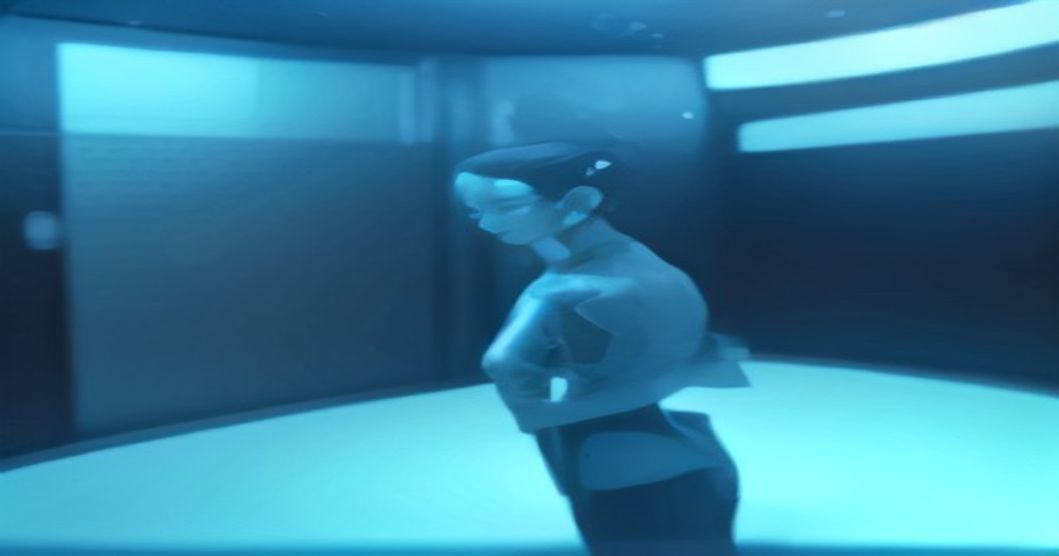
Proprioception, the sense of the relative position of one's own parts of the body and forces acting on them, is addressed through skin stretch simulation. This feature aims to provide users with a more intuitive understanding of the avatar's physical state and movements, akin to how humans feel their own limbs and muscles. The avatar’s physical presence is further enhanced by ragdoll physics governed by an energy model. This ensures that the avatar's movements, especially when reacting to forces or losing balance, are physically plausible and exhibit realistic inertia and momentum, avoiding the jerky, unnatural movements often seen in less sophisticated simulations.
The Physical Voice and Self-Awareness
A particularly intriguing aspect of the system is its inclusion of a "physical voice" that the avatar hears itself speak. This suggests a more integrated audio feedback loop where the avatar's vocalizations are not just external sounds but are perceived by the avatar's own simulated auditory system. This can contribute to a sense of self-awareness within the digital agent, potentially influencing its behavior and interaction patterns. The implication is that the avatar doesn't just produce sound; it experiences its own voice in a way that might inform its subsequent actions or reactions, much like a human does. This closed-loop audio system could be crucial for developing more natural and responsive AI agents.
Integration and Real-Time Simulation
The entire avatar system runs within a single live simulator session. This tight integration is critical for achieving the low latency and high responsiveness required for truly immersive experiences. By processing vision, audio, touch, and physics concurrently, the system can react instantaneously to user input and environmental changes. This contrasts with systems that might rely on separate modules or asynchronous processing, which can introduce delays and break the sense of presence. The computational challenge of managing such a complex, multi-sensory simulation in real-time is significant, underscoring the advanced nature of this development. The system aims to simulate not just the visual representation of an avatar, but its entire physical and sensory experience, creating a digital entity that behaves and reacts with a high degree of realism.
Unanswered Questions and Future Implications
While the description outlines a remarkably comprehensive avatar simulation, several questions remain regarding its practical implementation and scalability. How does the system handle conflicting sensory inputs? For instance, what happens when the simulated tactile feedback contradicts visual cues? The specifics of the energy model for ragdoll physics are also of interest; understanding its parameters could reveal how realism is balanced with computational cost. Furthermore, the development team has not elaborated on the potential applications of such a sophisticated avatar. Is this intended for advanced VR experiences, telepresence robotics, or as a platform for developing more embodied AI agents? The potential for this technology to redefine digital identity and interaction is vast, but its path to widespread adoption will depend on answers to these practical and strategic questions.