%22%20%2F%3E%0A%20%20%3C%2Fsvg%3E)
The Unavoidable Deadline
France is implementing a sweeping e-invoicing mandate that will fundamentally alter how businesses handle transactions. Effective September 1, 2026, every business established in France that is subject to Value Added Tax (VAT) must be capable of receiving electronic invoices through the new national system. This applies regardless of whether the business actively charges VAT, including micro-entrepreneurs operating under the franchise en base system. The obligation is not optional; it is a strict requirement.
While the issuance of e-invoices will be phased in — with large and mid-sized companies starting on the same date as reception, and Small and Medium-sized Enterprises (SMEs) and micro-businesses following on September 1, 2027 — the reception mandate applies universally and simultaneously on day one. This means that from September 1, 2026, all VAT-registered entities must be equipped to process incoming electronic invoices.
The French government has significantly increased the financial penalties for non-compliance. The 2026 Finance Law raised the penalty for failing to issue an invoice electronically from €15 to €50 per invoice, capped at €15,000 per calendar year. Furthermore, the fine for missing e-reporting transmissions has jumped from €250 to €500 per transmission. These substantial penalties underscore the seriousness with which France is approaching this digital transformation.
Understanding the Technical Framework
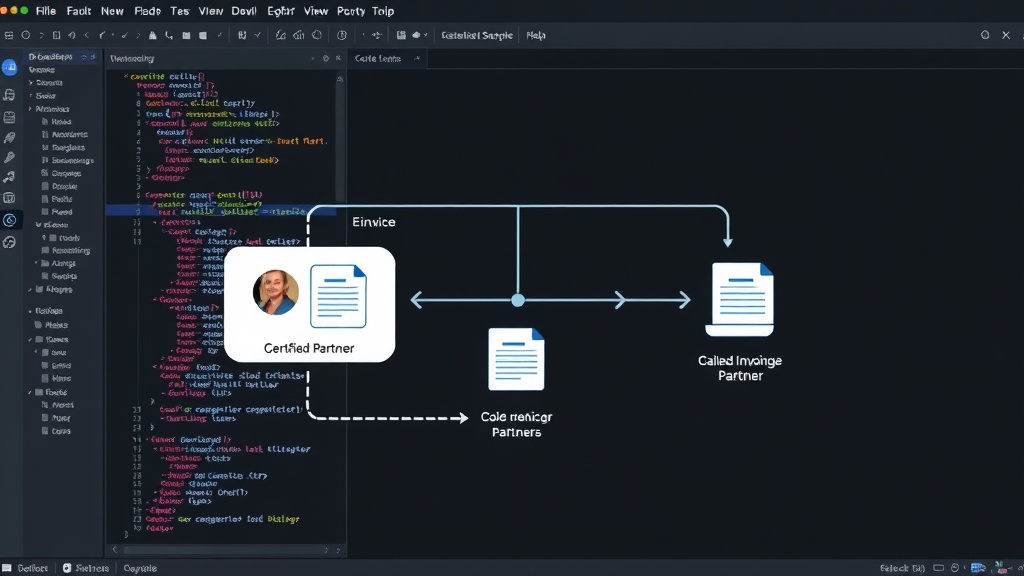
The French e-invoicing system will operate through a public directory and a secure platform managed by the tax authority. Businesses will need to integrate their accounting and invoicing software with this system. The core mechanism involves sending invoice data to a chosen certified partner or directly to the public platform. This data will then be validated, enriched with necessary information (like tax details), and relayed to the recipient's chosen platform.
The system is designed to be interoperable, allowing businesses to choose between different certified service providers. These providers will act as intermediaries, facilitating the exchange of e-invoices and ensuring compliance with the technical and legal requirements. The government's aim is to streamline tax collection, combat fraud, and provide real-time visibility into economic activity.
Key Dates and Phased Rollout
The mandate's implementation is structured in phases:
- September 1, 2026: Mandatory reception of e-invoices for all VAT-registered businesses. Mandatory issuance for large and mid-sized companies.
- September 1, 2027: Mandatory issuance for SMEs and micro-businesses.
This phased approach to issuance allows different business sizes to adapt their systems progressively. However, the reception mandate is non-negotiable for all from the outset. This means that even if a company is not yet required to issue e-invoices, it must be prepared to receive them from September 2026.
Developer's Role and Technical Considerations
For developers, this mandate presents a significant undertaking. It requires adapting existing invoicing and accounting software to comply with the new electronic format and transmission protocols. Key technical considerations include:
- Data Format: Adherence to the specified structured data format (likely UBL or C2C format standards) for invoice data.
- Transmission Protocols: Implementation of secure and compliant transmission methods to interact with the public platform or certified partners.
- Integration: Seamless integration with existing ERP, CRM, and accounting systems to ensure smooth data flow.
- Validation and Error Handling: Robust mechanisms for validating invoice data before transmission and handling errors or rejections from the platform.
- Security: Ensuring the highest levels of data security and privacy throughout the entire process.
Choosing a reliable certified partner will be crucial for many businesses. These partners will abstract much of the complexity, providing APIs and services that developers can integrate with. However, understanding the underlying requirements remains essential for effective integration and troubleshooting.
The Penalty Landscape
The financial implications of non-compliance are considerable. The increase in penalties from €15 to €50 per invoice for issuance failures, and from €250 to €500 per transmission for reporting failures, signals a stringent enforcement approach. For businesses operating at scale, these fines could quickly escalate to the annual cap of €15,000 for invoicing errors. The e-reporting penalty, while not capped per transmission, carries a significant per-transmission cost that can also accumulate rapidly.
This aggressive penalty structure means that proactive adoption and thorough testing of e-invoicing solutions are not just best practices but financial imperatives. Businesses that delay or underestimate the technical effort required risk facing substantial financial penalties from day one of the reception mandate.
Broader Implications and Next Steps
France's e-invoicing mandate is part of a broader European trend towards digitalizing tax processes. Similar initiatives are underway or planned in other EU countries, aiming to enhance transparency, reduce tax evasion, and simplify cross-border trade. Businesses operating internationally will need to navigate these evolving regulatory landscapes.
For developers, this is an opportunity to build and enhance solutions that address a critical compliance need. The focus will be on creating robust, user-friendly integrations with certified platforms, ensuring data accuracy, and providing clear reporting mechanisms. The coming months will see a flurry of activity as software vendors and service providers race to offer compliant solutions. If you manage a team responsible for financial systems, the time to start planning your integration strategy is now. Delaying will only increase the technical debt and compliance risk.