The Experiment: Targeting Founders on a Shoestring
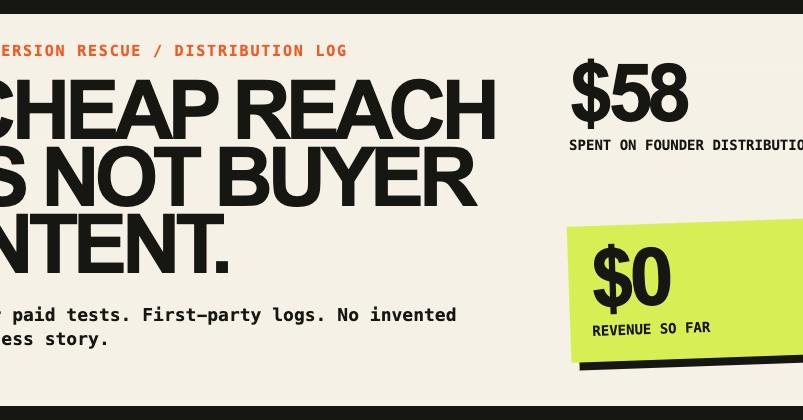
In a direct test of founder-centric marketing channels, an entrepreneur launched a productized conversion-copy service with a live Stripe checkout. The goal was to gauge the effectiveness of specific platforms and placements designed to reach founders. The total spend for this initial experiment was a modest $58. The immediate outcome: $0 in revenue. This result, while not a success story in terms of sales, offers valuable insights into the measurement problems and the nuances of reaching this specific audience.
The experiment focused on several platforms and placements, each with a distinct cost and expected reach within the founder community. These included dedicated ad slots, service campaigns, purchase-intent polls, and premium listings. The selection of these channels suggests an attempt to test both direct advertising and more organic or community-driven approaches.
Channel Breakdown and Spend Analysis
The $58 was meticulously allocated across four key channels, each offering a different type of exposure to potential founder customers:
- LaunchPact Starter Ad ($5): This provided a seven-day placement within the founder feed, a primary content stream on the platform. The low cost suggests a test of broad visibility at a minimal investment.
- LaunchPact Service Campaign ($24): A more substantial investment, this package included seven-day placement in the founder feed along with a slot in the founder digest. This aimed for both sustained visibility and a more curated, direct outreach.
- LaunchPact Founder Poll ($10): This unique approach involved purchasing a 24-hour poll designed to gauge purchase intent among founders. It represents an attempt to gather market feedback alongside direct marketing.
- LaunchBuff Premium ($19): This investment secured an immediate featured listing on the platform and a permanent backlink. This strategy focuses on long-term discoverability and a more evergreen form of promotion.
In addition to these paid placements, the entrepreneur also leveraged free community engagement by opening 16 community tasks on Favors.dev, utilizing platform points earned organically. This dual approach—combining paid reach with community participation—is a common tactic for early-stage ventures seeking to maximize their limited resources.
The Measurement Problem: Beyond Raw Revenue
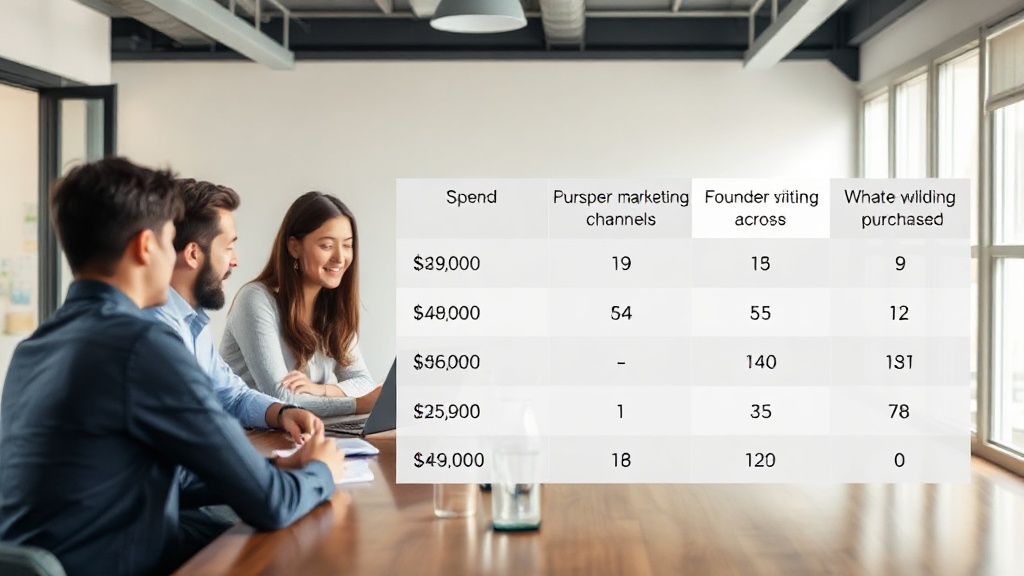
The most striking takeaway from this experiment is not the lack of revenue, but the inherent difficulty in measuring the true impact of these founder-focused channels. With $0 in sales directly attributable to the $58 spend, it's impossible to determine which channels, if any, were effective. This highlights a critical challenge for early-stage startups and service providers targeting niche audiences like founders: how do you accurately measure ROI when direct sales are not immediate or easily trackable?
The channels tested offer different types of value. LaunchPact's offerings provide visibility and direct reach. The founder poll attempts to gather data, but its effectiveness depends on the quality of responses and the platform's audience engagement. LaunchBuff's premium listing aims for sustained discoverability. However, without a clear mechanism to track conversions from these specific touchpoints, the experiment remains an anecdote rather than a definitive case study. This underscores the need for robust tracking, even for small-scale tests. Implementing unique UTM parameters for each channel, using dedicated landing pages, or employing post-purchase surveys asking "How did you hear about us?" could provide more actionable data in future iterations.
What This Means for Founder Marketing
While this specific test yielded no direct revenue, it illuminates several points relevant to anyone trying to market to founders. Firstly, founder-focused platforms might be receptive to small advertising spends, but their effectiveness is not guaranteed without proper measurement. The $58 experiment suggests that simply placing an ad or getting a listing might not translate into immediate sales, especially for services that require a deeper consideration phase than impulse buys.
Secondly, the reliance on platforms like LaunchPact and LaunchBuff points to a common strategy: testing established communities where founders are known to congregate. The success of such strategies often hinges on the product-market fit, the clarity of the offering, and the alignment between the platform's audience and the service's value proposition. The $0 revenue could indicate a mismatch in any of these areas, or simply that the test was too short and too small to capture meaningful results.
What remains unaddressed is the optimal way to track the efficacy of these niche marketing efforts. If founders are time-poor and decision-making is complex, how can marketers effectively attribute value to visibility, community engagement, or even market research tools like polls? This experiment serves as a stark reminder that even with a clear target audience and dedicated platforms, the path to understanding marketing ROI is often paved with significant measurement challenges.
Future Considerations and Next Steps
For the entrepreneur, the next steps would involve refining the measurement strategy. This could mean extending the test duration, increasing the budget to achieve statistical significance, or implementing more sophisticated tracking mechanisms. Alternatively, a pivot to channels with more direct attribution models might be considered. The engagement on Favors.dev, for instance, might offer qualitative insights into founder needs even if it didn't yield direct sales.
This experiment is less a failure and more a data point in the ongoing challenge of effectively marketing to a discerning and busy audience. The $58 was not wasted; it was an investment in understanding a critical business problem: how to connect a service with its intended market when direct, immediate sales are not the primary outcome.