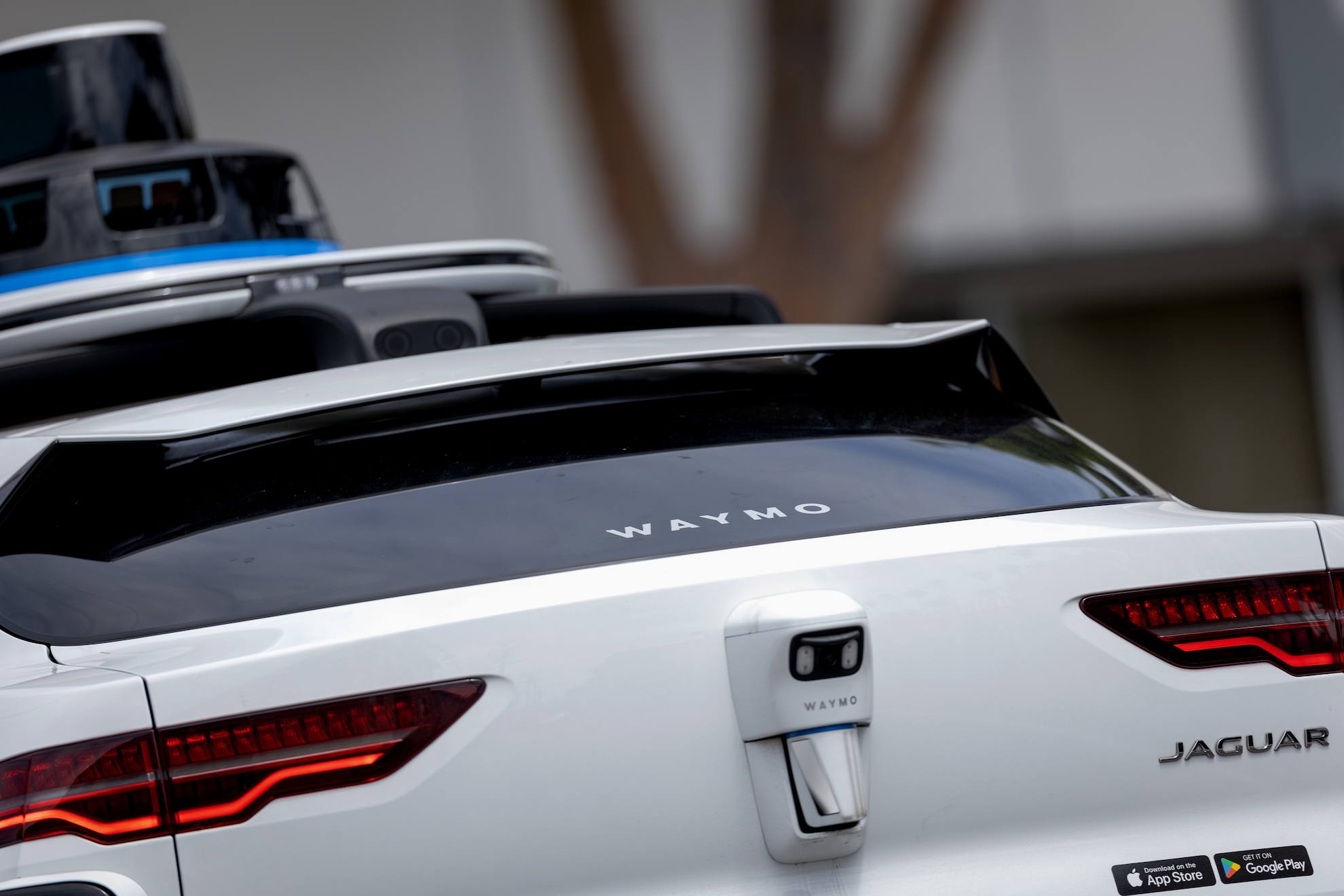
Waymo and Uber: A Complex Alliance
The symbiotic relationship between Alphabet’s self-driving technology company, Waymo, and ride-hailing giant Uber, established in 2019, is reportedly under review. Sources indicate that Waymo is considering not renewing its contract with Uber, which is set to expire in May 2028. This potential separation marks a significant moment for both companies, influencing their strategies in the rapidly evolving autonomous vehicle and mobility markets.
The initial agreement between Waymo and Uber was hailed as a strategic move. Uber, which had previously divested its own self-driving unit, ATG, to Aurora for $400 million and an equity stake, gained access to Waymo’s advanced autonomous driving technology. This allowed Uber to integrate Waymo’s driverless vehicles onto its platform, particularly in Phoenix, Arizona, where Waymo has been operating its public ride-hailing service. For Waymo, the partnership provided a crucial distribution channel, leveraging Uber’s extensive customer base and operational infrastructure to scale its autonomous ride-hailing service. The deal was structured to give Uber preferential access to Waymo’s technology for a period of five years.
However, the landscape of autonomous driving has shifted dramatically since 2019. Waymo has continued to expand its own operations independently, launching its fully autonomous ride-hailing service, Waymo One, in cities like San Francisco and Los Angeles, without relying on Uber’s platform. The company has also been actively developing its autonomous trucking division, Waymo Via, and exploring partnerships with logistics companies. This independent growth suggests Waymo may see less strategic necessity in continuing the exclusive arrangement with Uber.
Contractual Crossroads
Uber confirmed to TechCrunch that the contract between the two companies concludes in May 2028. This confirmation brings the speculation into sharper focus. The expiration date is not a surprise, but Waymo's reported contemplation of not extending the agreement is a significant development. Several factors could be influencing this decision. Waymo might be looking to diversify its ride-hailing partnerships, potentially collaborating with other mobility providers or even launching its service on other platforms. Alternatively, Waymo may be prioritizing its own direct-to-consumer strategy, aiming to control the entire user experience and capture more of the value chain.
From Uber's perspective, the end of the Waymo contract would necessitate a strategic pivot. While Uber has largely exited its direct investment in AV development, it remains a key player in the mobility-as-a-service market. The company would need to secure alternative sources for autonomous vehicle integration or accelerate its own efforts in this area, perhaps through new partnerships or by relying more heavily on third-party AV providers. The integration of Waymo vehicles on Uber’s platform has been a visible, albeit geographically limited, demonstration of autonomous ride-hailing. Its potential absence would leave a void, at least in the near term, for consumers in areas like Phoenix.
Market Dynamics and Future Strategies
The broader autonomous vehicle industry is characterized by intense competition and significant capital investment. Companies like Cruise (GM), Zoox (Amazon), Aurora, and various other startups are all vying for market share. Waymo, as an early leader, has a mature technology stack and a proven track record in public deployment. Its decision on the Uber contract could signal a broader strategic shift in how it plans to scale and monetize its technology. If Waymo chooses to go it alone, it would likely intensify its focus on expanding Waymo One’s geographic reach and potentially explore new service offerings, such as autonomous delivery or logistics.
For Uber, the loss of Waymo as a partner on its platform could prompt a renewed focus on its core ride-sharing business and potentially spur further exploration into partnerships with other autonomous driving companies. Uber’s strategy has always been about platform aggregation, connecting riders with drivers and, potentially, autonomous vehicles. The challenge will be to maintain a competitive edge in an era where autonomy is becoming increasingly crucial for the future of mobility.
The surprising detail here is not that the contract is ending, but that Waymo is reportedly considering walking away from a partnership that, on the surface, seemed to offer significant mutual benefits. The integration, while perhaps not as widespread as initially envisioned, provided a tangible example of autonomous vehicles operating within a major ride-hailing ecosystem. What remains to be seen is whether Waymo’s independent expansion and potential new ventures will yield greater returns than continuing its alliance with Uber.
Unanswered Questions
If Waymo does indeed decide to end its partnership with Uber, the implications for developers and creators in the AV space are significant. Will Waymo open its API to a wider range of partners, fostering a more diverse ecosystem? Or will it double down on its own proprietary platform, controlling every aspect of the user experience? Furthermore, what does this portend for the future of ride-sharing platforms? Will they become mere conduits for autonomous fleets, or will they retain their identity and customer relationships? The industry is watching closely as Waymo navigates this critical decision point, which will undoubtedly shape the future of urban mobility.