
Intel Foundry Services Lands First Intel 4 Customer
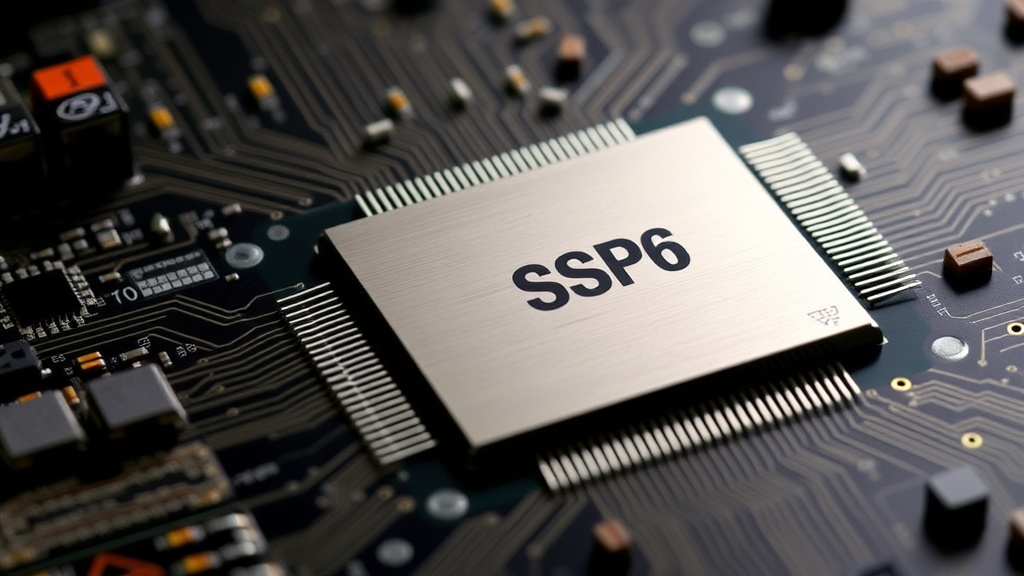
Intel Foundry Services (IFS) has announced its first customer for the Intel 4 process technology: Fortinet. The cybersecurity giant will have its sixth-generation Security Processor (SP6) designed, packaged, and fabricated by Intel. This deal marks a significant step in Intel CEO Pat Gelsinger's ambitious plan to revitalize the company's manufacturing arm and compete directly with TSMC and Samsung in the foundry market. While Intel 4 is a mature node, it represents a critical step for IFS, demonstrating its capability to attract major chip designers to its manufacturing services.
The Intel 4 process, which is Intel's first 7nm-class process node, has previously been used for Intel's own Meteor Lake mobile processors. Its selection by Fortinet for a high-performance security ASIC indicates a strategic decision by Fortinet, likely balancing performance requirements, cost, and time-to-market. For Intel, this win validates its foundry strategy and provides crucial revenue and production volume for a process node that is no longer bleeding-edge but still highly capable for specialized applications.
Fortinet's SP6 processor is designed to accelerate its network security solutions, offering advanced threat detection, deep packet inspection, and secure connectivity at high throughputs. By moving to Intel's manufacturing, Fortinet gains access to Intel's integrated design, packaging, and fabrication capabilities. This collaboration could lead to more integrated solutions and potentially faster innovation cycles for Fortinet's product roadmap. The choice of Intel 4 suggests that Fortinet prioritized a balance of performance and cost-efficiency over the absolute leading edge, a common consideration for high-volume ASIC production.
Strategic Implications for Intel Foundry Services
Lip-Bu Tan, the executive overseeing IFS, has been under pressure to deliver tangible foundry wins since taking the helm. This deal with Fortinet is a concrete step towards fulfilling that promise. While Intel 4 might not be the most advanced node available, it is a testament to IFS's ability to secure business for its mid-generation technologies. This success could pave the way for future deals involving Intel's more advanced nodes, such as Intel 3 and Intel 18A, which are critical for attracting leading-edge chip designers. The foundry market is intensely competitive, with TSMC holding a dominant market share. Every customer secured by IFS is a victory that builds momentum and credibility.
The decision by Fortinet to partner with Intel Foundry Services is not merely a manufacturing contract; it represents a strategic choice in a complex semiconductor ecosystem. Intel's integrated device manufacturing (IDM) model, combined with its foundry offerings, allows for deep collaboration. This can include co-optimization of chip design and manufacturing processes, potentially leading to performance gains and cost reductions that might be harder to achieve with a pure-play foundry. For Intel, this deal is more than just revenue; it's a signal to the market that its foundry services are viable and capable of producing complex ASICs for demanding applications.
The market for specialized security processors is growing rapidly, driven by the increasing sophistication of cyber threats and the proliferation of connected devices. Fortinet, as a leader in this space, requires high-performance, cost-effective silicon to maintain its competitive edge. Partnering with Intel for its SP6 processor allows Fortinet to leverage Intel's manufacturing scale and expertise while focusing its internal resources on core R&D and software development. This symbiotic relationship is precisely what Intel Foundry Services aims to foster.
Fortinet's Technology and Market Position
Fortinet's Security Processors are the custom-designed ASICs that power its FortiGate next-generation firewalls and other security appliances. These processors are crucial for enabling the high-performance, low-latency security functions required for real-time threat analysis, intrusion prevention, and secure networking. The SP6 is expected to deliver significant improvements in performance and efficiency over its predecessors, allowing Fortinet to offer more advanced security features without compromising network speed. The move to Intel 4 for fabrication suggests that the performance targets for SP6 are achievable on this node, likely with a strong emphasis on power efficiency, a key metric for network hardware.
The semiconductor manufacturing landscape is increasingly bifurcated. While leading-edge nodes (like TSMC's 3nm and 2nm classes) are essential for high-volume consumer electronics and advanced AI accelerators, mature nodes (such as Intel 4, and TSMC's 7nm and 14nm classes) remain critical for a vast array of applications, including networking, automotive, industrial, and specialized compute. These mature nodes often offer a better balance of cost, yield, and performance for specific use cases. Fortinet's choice of Intel 4 aligns with this trend, indicating that the SP6's requirements fit perfectly within the capabilities and economic advantages of this process technology. This is not about chasing the absolute smallest transistor; it's about choosing the right tool for the job.
The partnership also highlights a broader trend of major technology companies bringing their chip design and manufacturing closer together, either through in-house fabrication or strategic foundry partnerships. For companies like Fortinet, which are heavily reliant on specialized silicon to differentiate their products, securing a reliable and capable manufacturing partner is paramount. Intel's ability to offer a comprehensive solution, from design support to advanced packaging and fabrication, makes it an attractive option, especially when competing against the established dominance of Asian foundries.
This collaboration is more than just a single chip deal; it’s a signal of Fortinet’s commitment to leveraging custom silicon for its security solutions and Intel’s growing capabilities in the foundry space. As cybersecurity threats continue to evolve, the demand for high-performance, specialized hardware like Fortinet's SP6 will only increase. Intel Foundry Services, by securing Fortinet as its first Intel 4 customer, has taken a meaningful step in demonstrating its potential to capture a significant share of this lucrative market.