%22%20%2F%3E%0A%20%20%3C%2Fsvg%3E)
Vulnerability Overview
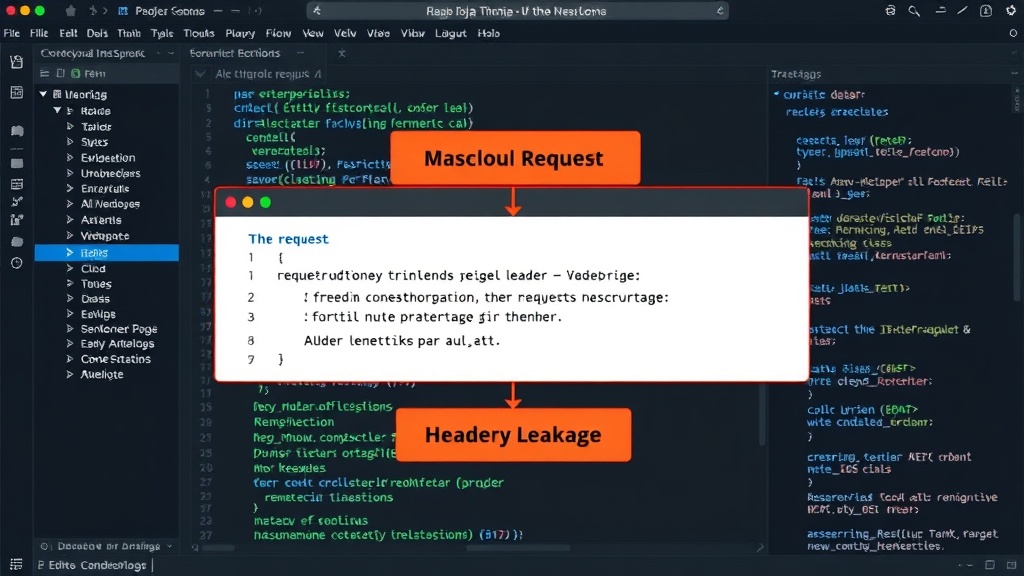
A security vulnerability has been identified in the Flask Ninja framework that allows for the leakage of internal HTTP headers. This flaw stems from the framework's handling of deserialization, specifically when processing incoming requests. The vulnerability, detailed by researcher /u/0xcrypto on Reddit, leverages the way Flask Ninja processes data payloads, enabling an attacker to craft malicious inputs that cause the framework to disclose sensitive information that should remain internal.
At its core, the vulnerability exploits the deserialization process. When an application receives data, especially from untrusted sources, it often needs to convert this data from a serialized format (like JSON, XML, or Python's pickle) back into a usable object. This process, known as deserialization, can be dangerous if the input is not properly validated. Maliciously crafted serialized data can trick the deserializer into executing arbitrary code or, in this specific case, revealing internal application state.
Flask Ninja, a popular library for building APIs with Flask, appears to have an oversight in its deserialization implementation that makes it susceptible to this header leakage. The exact mechanism involves how the framework parses and processes incoming data, potentially through its use of libraries like Pydantic or other data validation and serialization tools. By manipulating the deserialized object, an attacker can trigger unintended behavior within the Flask request lifecycle, leading to the exposure of headers that are typically only visible to the server or internal network components.
Technical Details of the Exploit
The vulnerability hinges on the deserialization of specific data types within Flask Ninja's request handling. While the exact library and method for deserialization might vary depending on the specific implementation within a Flask Ninja application, the core issue lies in the trust placed on the deserialized object's structure and content. Attackers can craft a serialized payload that, when deserialized, causes the application to mishandle or expose internal request attributes, including HTTP headers that are not meant for external consumption.
A common vector for such vulnerabilities involves Python's `pickle` module. If Flask Ninja or its dependencies use `pickle` for deserialization without robust sanitization, an attacker can provide a pickled object that, upon unpickling, executes code or manipulates the program's state. In this context, the manipulation leads to the disclosure of internal headers. These headers could include sensitive information such as environment variables, internal IP addresses, specific server configurations, authentication tokens meant for internal services, or debugging information.
Consider a scenario where Flask Ninja uses a library that deserializes incoming data into Python objects. If an attacker can inject a payload that, during deserialization, causes a reference to the server's request object or a similar internal structure to be exposed or printed, they could gain access to headers like `X-Forwarded-For` (if improperly handled), internal routing information, or even custom headers used for inter-service communication.
The surprising detail here is not that deserialization vulnerabilities exist—they are a well-documented class of security risks. The surprise is their manifestation in a framework designed for building modern APIs, and specifically, their ability to leak internal HTTP headers rather than solely leading to remote code execution. This suggests a subtle but significant gap in how security is considered during the deserialization pipeline in certain web frameworks or their common usage patterns.
Impact and Scope
The potential impact of this vulnerability can range from information disclosure to more severe security breaches, depending on the nature of the leaked headers. If internal headers reveal sensitive environment variables, API keys, or internal network topology, an attacker could gain valuable intelligence to launch further attacks. For instance, knowing internal IP addresses could facilitate lateral movement within a compromised network, while leaked authentication tokens could allow unauthorized access to internal services.
The scope of the vulnerability is tied to applications built using Flask Ninja that deserialize untrusted input without adequate safeguards. Developers using Flask Ninja should audit their deserialization practices, particularly if they accept complex data structures from clients or rely on libraries that perform deserialization internally. The vulnerability might be more prevalent in applications that handle data formats prone to serialization attacks, such as custom binary formats or even certain JSON structures if processed insecurely.
If you run a Flask Ninja application that deserializes user-provided data, you have a window to audit your code before this vulnerability is widely exploited. The specific risk is that an attacker might be able to probe your API endpoints and extract information that paints a detailed picture of your internal infrastructure, making subsequent attacks more targeted and effective.
Mitigation and Prevention
The primary mitigation strategy involves scrutinizing and securing the deserialization process within Flask Ninja applications. Developers should avoid deserializing untrusted data using inherently unsafe methods like Python's `pickle` module. Instead, prefer safer, data-only serialization formats such as JSON, and always validate the structure and types of the deserialized data rigorously.
For applications that absolutely require complex object deserialization, consider using libraries that offer more robust security features and explicit controls over what can be deserialized. If using Pydantic, ensure that models are defined with strict type hints and that no arbitrary code execution is possible through model instantiation or data parsing.
Key steps for developers include:
- Audit Deserialization Logic: Review all endpoints that deserialize incoming data. Identify the libraries and methods used.
- Avoid `pickle`: If `pickle` is used for untrusted input, replace it with a safer alternative like JSON.
- Input Validation: Implement strict validation on all deserialized data. Ensure that only expected data types and structures are processed.
- Use Secure Libraries: If complex object deserialization is necessary, use libraries known for their security features and consider their specific guidance on preventing deserialization attacks.
- Principle of Least Privilege: Ensure that the deserialization process runs with the minimum necessary privileges to limit the impact of any potential exploit.
The Flask Ninja maintainers and the security community will likely provide updated guidance or patches. However, proactive auditing and secure coding practices at the application level remain the most effective defense against this class of vulnerability.
Broader Implications
This vulnerability highlights a persistent challenge in web development: the secure handling of data serialization and deserialization. As frameworks evolve and add features, the responsibility for secure implementation often falls to the end-user developer. The leak of internal headers, rather than direct code execution, is a more nuanced attack vector that requires developers to think beyond traditional RCE scenarios and consider information disclosure as a critical threat.
For the broader ecosystem, this serves as a reminder that even seemingly straightforward API frameworks can have subtle security implications. Developers must remain vigilant, stay informed about security advisances for all libraries they use, and prioritize secure deserialization practices. The attack surface of web applications is complex, and vulnerabilities like this underscore the need for continuous security education and rigorous code review.