Firecrawl /search: A Token-Efficient Leap Forward
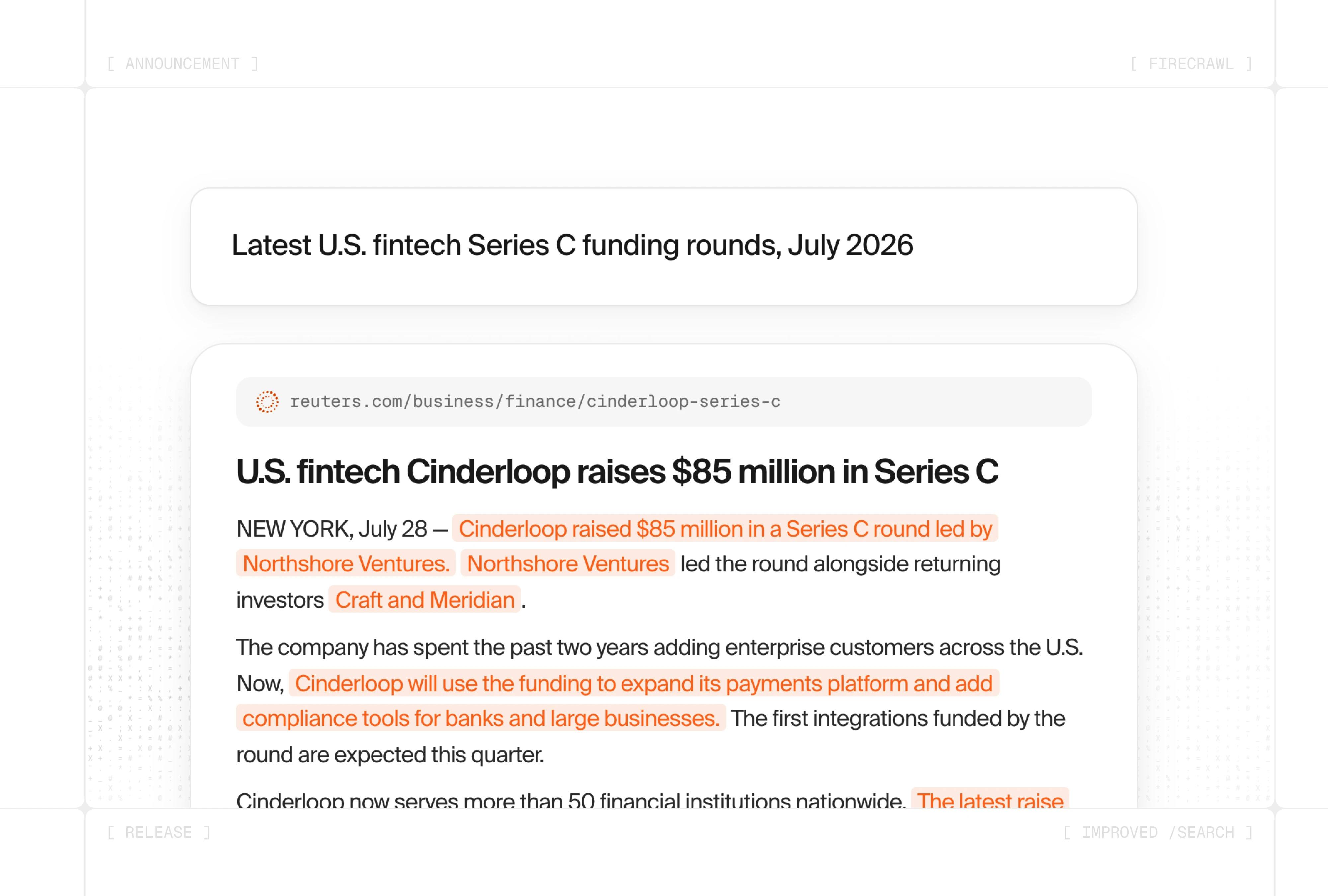
Firecrawl has unveiled its latest iteration of the /search endpoint, a move that promises to drastically alter the economics and performance of web data extraction. The core announcement centers on a significant improvement in accuracy coupled with a remarkable 10x reduction in token usage. This is not merely an incremental update; it signals a strategic shift towards more efficient and cost-effective large language model (LLM) interactions for data scraping and analysis.
The previous generation of web scraping tools, often reliant on LLMs, faced inherent challenges. Token limits imposed by models like GPT-3.5 and GPT-4 meant that extracting comprehensive data from complex web pages required intricate prompt engineering, chunking, and often multiple API calls. Each token represents a unit of text that LLMs process, and their cost, both in terms of API fees and computational resources, can quickly escalate. For developers building applications that scrape and process vast amounts of web data, this token inefficiency translated directly into higher operational costs and slower processing times.
Firecrawl's new /search endpoint appears to tackle this head-on. By achieving 10x fewer tokens for comparable or superior accuracy, the implications are substantial. This means that developers can now perform more sophisticated data extraction tasks, process larger volumes of web content, and achieve deeper insights without the same token-related budget constraints.
How It Works: Optimizing LLM Interaction
While the specifics of Firecrawl's internal optimizations are not fully detailed, the outcome suggests a more intelligent approach to how web page content is parsed and fed to LLMs. Traditional methods might involve sending large chunks of HTML, letting the LLM sift through it. The new approach likely involves more precise content selection, smarter summarization of irrelevant sections, or a more efficient internal representation of the web page's semantic structure before LLM processing.
Think of it less like sending the entire library to a researcher and more like sending a meticulously curated bibliography with targeted summaries for each book. The researcher (the LLM) can then focus its efforts on the most pertinent information, leading to faster, more accurate results with less input material. This efficiency gain is critical for applications that need to monitor websites for changes, extract product details from e-commerce sites, or gather research data from numerous articles.
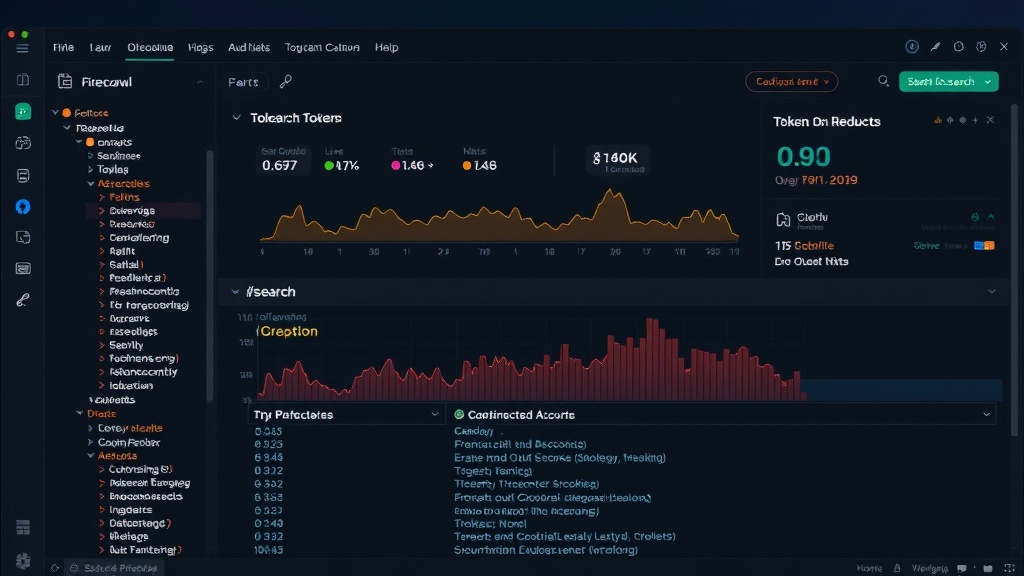
The emphasis on accuracy alongside token reduction is particularly noteworthy. Often, efficiency gains come at the cost of precision. Firecrawl claims to have avoided this trade-off, suggesting that their method not only uses fewer tokens but also extracts the desired information more reliably. This could be achieved through improved pre-processing of HTML, better identification of key content areas, or even fine-tuned LLM models specifically for web data extraction tasks.
Implications for Developers and Businesses
For developers, this means a lower barrier to entry for complex web scraping projects. Applications that were previously cost-prohibitive due to token costs might now become feasible. This includes:
- Real-time data monitoring: Services that track competitor pricing, news mentions, or social media sentiment can operate more affordably and with faster update cycles.
- Market research: Analyzing product descriptions, customer reviews, and industry trends across thousands of web pages becomes more economical.
- Content aggregation: Building sophisticated content curation tools that extract and summarize information from diverse sources can be done with greater efficiency.
- AI-powered search and knowledge bases: Creating internal or external search engines that leverage web content can be scaled more effectively.
Businesses that rely on web data for decision-making will see a direct impact on their operational expenses. The ability to extract more value from web data at a lower cost can translate into improved profit margins and a stronger competitive edge. Startups looking to build data-intensive products can now do so with more predictable and manageable infrastructure costs.
The Future of Web Data Extraction
Firecrawl's advancement is a testament to the ongoing innovation in the LLM tooling space. As models become more powerful, the focus is shifting from merely enabling LLM use to optimizing it for specific, real-world applications. Reducing token consumption is a key aspect of this optimization, making LLM-powered solutions more scalable and sustainable.
The question remains: what other efficiencies can be unlocked in the LLM data pipeline? Firecrawl's success with /search suggests that there is significant room for improvement in how we interact with web content. This could pave the way for even more sophisticated AI agents capable of understanding and acting upon the vast information available on the internet, all while remaining cost-effective.