
The Problem with API Integration Testing
API integration testing is a critical but often tedious part of software development. Developers spend countless hours writing and maintaining tests that verify how different services interact. When an integration breaks, pinpointing the exact cause can be like finding a needle in a haystack. Traditional testing frameworks often report failures but lack the context or memory to understand why a specific integration point has historically been fragile.
This is where FetchSandbox aims to differentiate itself. The platform is designed not just to run tests, but to learn from them. By remembering past failures, it builds a historical context for API interactions, allowing developers to quickly identify recurring issues and understand the root causes of integration problems more efficiently. This approach moves beyond simple pass/fail reporting towards a more intelligent, context-aware testing solution.
Think of it less like a simple checklist and more like a seasoned detective who has seen many cases before. This detective doesn't just tell you that a crime occurred; they recall similar past incidents, note patterns, and can often predict where the next problem might arise based on historical data. FetchSandbox aims to bring this level of historical intelligence to API integration testing.
How FetchSandbox Works
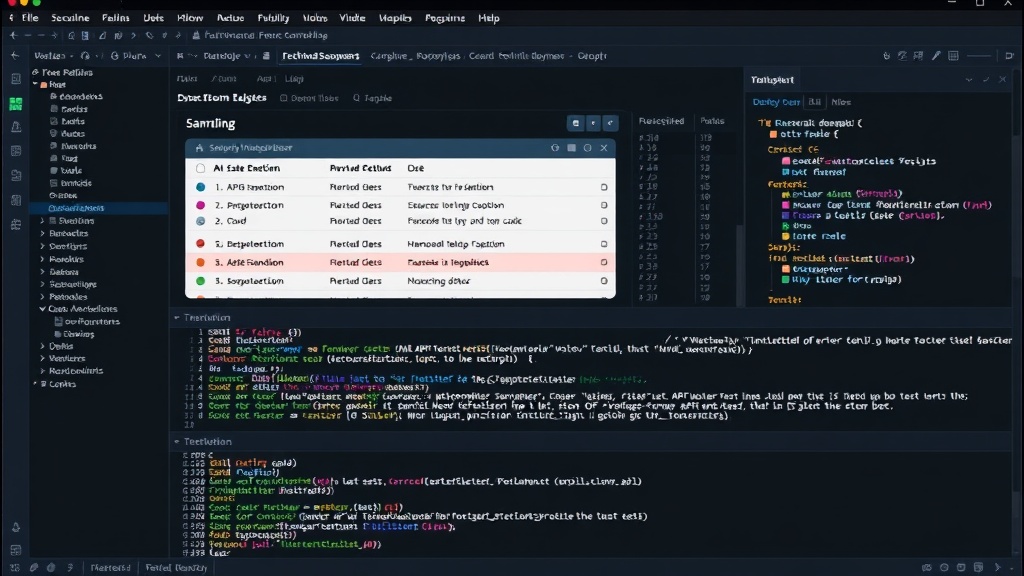
FetchSandbox operates by intercepting and recording API calls made during the testing process. Unlike purely synthetic testing tools, it captures the actual requests and responses. This captured data is then stored and analyzed. The core innovation lies in its ability to retain this historical data and present it in a way that highlights trends, regressions, and persistent issues.
When a new test run occurs, FetchSandbox compares the current interactions against its historical record. If an API endpoint that previously worked flawlessly now fails, or if an endpoint that was historically problematic exhibits new behavior, the system flags it. It doesn't just report the current error; it contextualizes it with past performance. This allows developers to ask questions like, "Did this API endpoint fail last week too?" or "Is this specific error message a recurring theme for this service?"
The platform aims to reduce the time spent on debugging integration issues. Instead of sifting through logs from scratch, developers can consult FetchSandbox's historical analysis. This could involve identifying flaky tests, understanding the impact of upstream service changes on downstream consumers, or detecting subtle performance degradations that might not trigger hard failures but indicate underlying instability.
Key Features and Benefits
FetchSandbox emphasizes several key benefits for development teams:
- Contextualized Failure Analysis: The primary differentiator is the platform's memory. It remembers past failures, providing historical context that aids in faster root cause analysis.
- Reduced Debugging Time: By surfacing recurring issues and trends, FetchSandbox aims to significantly cut down the time developers spend on debugging integration problems.
- Proactive Issue Detection: The system can potentially identify regressions or performance degradations before they become critical, by noticing deviations from established historical patterns.
- Improved API Stability: With a clearer understanding of integration weaknesses, teams can prioritize fixes and improve the overall stability and reliability of their services.
- Simplified Collaboration: A shared historical record of API behavior can improve communication between teams responsible for different services, providing a single source of truth for integration issues.
The value proposition is clear: make API integration testing less of a chore and more of an intelligent diagnostic tool. By remembering what breaks, FetchSandbox helps teams build more robust and reliable distributed systems.
The Unanswered Question: Scalability and Integration Depth
While FetchSandbox's promise of remembering past failures is compelling, a crucial question remains unanswered: how deeply and how broadly can it scale? For large enterprises with thousands of microservices, each making hundreds of API calls, the sheer volume of historical data could become immense. Managing, querying, and deriving meaningful insights from petabytes of API interaction logs presents a significant technical challenge. Furthermore, the effectiveness of its analysis will depend on the sophistication of its pattern recognition and anomaly detection algorithms. Will it be able to distinguish between a genuine regression and expected, albeit different, behavior after a legitimate API update? The success of FetchSandbox will hinge on its ability to handle scale and provide accurate, actionable insights from this growing historical data repository.