
FBI Claims Dramatic AI Surge Under Director Patel
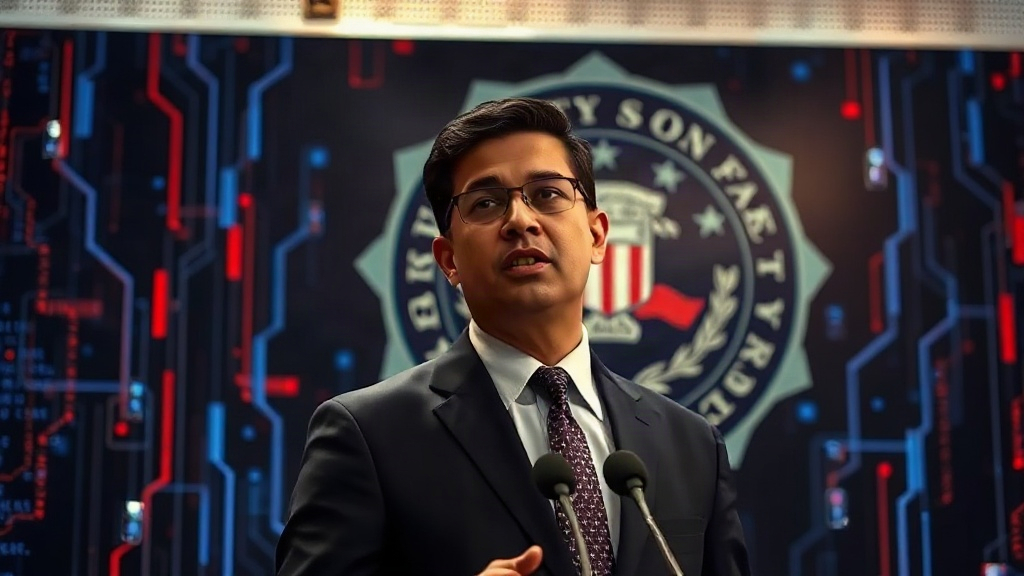
FBI Director Kash Patel recently asserted that the agency's artificial intelligence usage has surged by an astonishing 605% since he took the helm. This claim, made in a public statement, paints a picture of rapid technological integration within one of the United States' premier law enforcement bodies. Patel also stated that major technology companies are deeply integrated with the FBI, suggesting a close working relationship and potentially shared resources or expertise.
However, the specifics behind this dramatic figure are conspicuously absent. The 605% increase lacks context regarding the baseline from which it is measured, the types of AI tools deployed, or the specific functions they are intended to serve. This lack of detail makes it difficult to independently assess the impact, scope, or even the veracity of the claim. Without knowing what constitutes 'AI usage' in the FBI's internal metrics, the number itself is largely symbolic rather than informative. For instance, does this figure include basic algorithmic sorting, advanced predictive policing tools, natural language processing for document analysis, or something else entirely?
Defining 'AI Usage' at the FBI
The ambiguity surrounding the 605% figure raises critical questions about how the FBI is defining and measuring artificial intelligence adoption. In the rapidly evolving landscape of AI, the term can encompass a wide spectrum of technologies. It could range from relatively simple automation and data analysis tools to highly sophisticated machine learning models capable of complex pattern recognition, predictive analytics, and even generative tasks. Without a clear definition, the reported increase could be inflated by the inclusion of technologies that some might not traditionally classify as advanced AI.
For example, if the baseline usage was minimal, a small number of new tools or expanded use of existing, less complex systems could indeed result in a large percentage increase. Conversely, if the FBI has been using sophisticated AI for years, a 605% jump would imply a fundamental and widespread transformation in its operational capabilities. The absence of this crucial definitional context leaves stakeholders, including the public and oversight bodies, unable to gauge the true extent of AI integration. This is not unique to the FBI; many organizations struggle with quantifying AI adoption due to the fluid nature of the technology and its applications.
Partnerships with Major Tech Players
Patel's assertion that "every major tech player is embedded" within the FBI suggests a deep and perhaps unprecedented level of collaboration between the government agency and the private sector's leading technology firms. This integration could manifest in various ways, from technology procurement and pilot programs to data sharing agreements and joint research initiatives. Such partnerships are often crucial for government agencies to stay at the forefront of technological advancements, especially in rapidly developing fields like AI.
However, this close embedding also raises significant concerns. It prompts questions about potential conflicts of interest, the influence of private companies on law enforcement operations, and the security and privacy implications of sharing sensitive data or integrating proprietary systems. What does it mean for a tech company to be "embedded"? Are they providing staff, software, hardware, or a combination? Are these partnerships subject to rigorous oversight and transparency protocols? The current lack of specific information makes it impossible to evaluate the nature and extent of these relationships, and whether they serve the public interest effectively and ethically.
Implications for Transparency and Oversight
The broad claims made by Director Patel, while highlighting a commitment to technological advancement, underscore a persistent challenge in government transparency regarding AI. For oversight committees, civil liberties advocates, and the public, understanding how AI is used in law enforcement is paramount. This understanding is essential for ensuring accountability, preventing misuse, and safeguarding individual rights. When such significant increases in AI deployment are announced without clear metrics or operational details, it erodes trust and hinders effective governance.
The FBI, like other agencies, operates under a mandate to serve and protect the public. The adoption of powerful technologies like AI must be accompanied by robust frameworks for ethical deployment, bias mitigation, and public accountability. The current lack of transparency around the 605% AI increase makes it difficult to ascertain if these frameworks are in place and functioning effectively. This situation calls into question not just the specifics of the FBI's AI strategy, but also the broader challenge of ensuring that technological advancements in sensitive sectors are managed with the utmost care and openness. What happens when these embedded tech players' interests diverge from public safety or civil liberties?
The Road Ahead: Seeking Clarity
The FBI's purported embrace of AI, as articulated by Director Patel, signals a significant shift in its operational landscape. The reported 605% increase, if substantiated with clear metrics, would indicate a profound technological transformation. However, the current lack of specificity surrounding the definition of AI usage and the nature of partnerships with major tech firms leaves critical questions unanswered. For the FBI to maintain public trust and ensure responsible innovation, greater clarity on its AI strategy, its implementation, and its oversight mechanisms is essential. Without this, the impressive-sounding statistic remains an opaque assertion, leaving the public and policymakers to wonder about the true scope and impact of AI within the bureau.