
The eVTOL Data Problem
Every eVTOL startup faces a common, persistent challenge: flight test data is a mess. It’s scattered across spreadsheets, CSV files, and custom scripts that frequently break. This fragmented approach leads to a lack of standardization, no reliable data validation, and makes it incredibly difficult to query specific flight events. Imagine trying to pinpoint what happened during a critical test flight (Test 47, for example) when the data resides in disparate, unvalidated silos. This is the exact problem that the open-source project aero-telemetry aims to solve.
The core issue is the absence of a centralized, validated, and easily queryable system for collecting the vast amounts of sensor data generated during eVTOL prototyping. Without such a system, iterating on designs, analyzing performance, and ensuring safety becomes a significantly more arduous and error-prone process. The current state of affairs forces engineers and data scientists to spend an inordinate amount of time wrangling data rather than analyzing it. This directly impacts development velocity and can introduce critical risks if anomalies are missed due to data fragmentation.
Introducing Aero-Telemetry
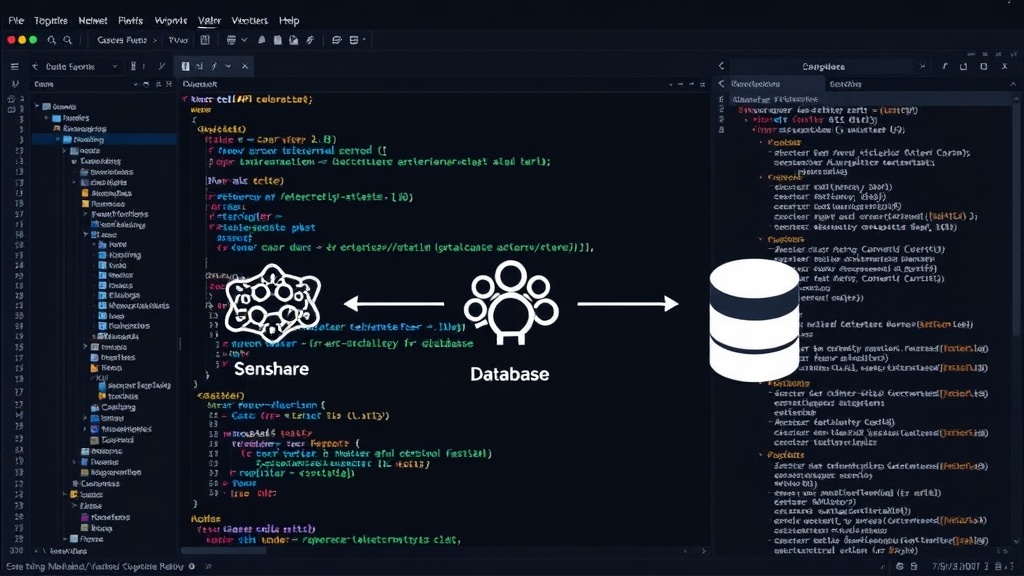
To address this critical gap, Mohammed Fayaz Ahamed developed aero-telemetry, a lightweight, open-source telemetry ingestion API specifically designed for aerospace prototyping. This API acts as a central hub for collecting and managing flight test data, bringing order to the chaos of scattered information. Its primary goal is to provide a standardized and robust method for handling sensor data, making it accessible and reliable for analysis and iteration.
The API is built with a focus on ease of use and rapid deployment, particularly for startups and research teams that may have limited resources or need to iterate quickly. The underlying technologies, FastAPI and Pydantic, were chosen for their ability to deliver high performance, strong validation, and developer productivity.
Core Functionality
Aero-Telemetry offers a suite of features designed to streamline the ingestion and management of eVTOL flight data:
- HTTP Ingestion: The API accepts sensor data via standard HTTP requests. This includes critical parameters such as battery state (voltage, current, state of charge), GPS coordinates (latitude, longitude, altitude), Inertial Measurement Unit (IMU) data (acceleration, gyroscope readings), and motor RPM. This broad coverage ensures that essential flight telemetry is captured.
- Comprehensive Validation: A key differentiator of aero-telemetry is its built-in validation capabilities. It doesn't just accept data; it verifies it. This includes checking for valid voltage ranges, ensuring the correct number of motors are reported, and confirming that GPS coordinates fall within expected bounds. This layer of validation is crucial for maintaining data integrity and preventing erroneous data from corrupting analyses.
- Flexible Querying: Users can query the ingested data in several ways. It supports querying by session (grouping data from a specific flight or test run), by time range (retrieving data within a defined period), and by aircraft (filtering data specific to a particular eVTOL unit). This makes it easy to retrieve precisely the data needed for specific investigations.
- Batch Ingestion: For handling large volumes of time-series data efficiently, the API supports batch ingestion. This is particularly useful for processing high-frequency sensor readings without overwhelming the system or introducing latency.
- Zero Configuration Default: Aero-Telemetry is designed for rapid setup. By default, it uses SQLite as its database backend, requiring no complex configuration. This allows teams to get up and running quickly, even on a standard laptop, making it an ideal tool for prototyping and early-stage development.
Why FastAPI and Pydantic?
The choice of FastAPI and Pydantic is central to aero-telemetry's design philosophy. FastAPI, a modern, fast (high-performance) web framework for building APIs with Python, brings several advantages:
- Asynchronous Request Handling: FastAPI’s asynchronous nature allows it to handle many concurrent requests efficiently, which is vital for ingesting data from multiple sensors or multiple aircraft simultaneously.
- Automatic OpenAPI Documentation: FastAPI automatically generates interactive API documentation based on the code. This means developers can immediately see what endpoints are available, what data they expect, and what they return, significantly speeding up integration and testing.
- Type Hinting and Validation: It leverages Python type hints to provide data validation, serialization, and deserialization.
Pydantic, a data validation and settings management library using Python type annotations, complements FastAPI perfectly:
- Data Modeling: Pydantic models define the expected structure and types of the telemetry data. This ensures that incoming data conforms to a predefined schema.
- Robust Validation: It performs rigorous validation of incoming data against these models. If data is missing, malformed, or outside expected ranges (as defined in the models), Pydantic raises clear errors, preventing bad data from entering the system.
- Developer Experience: Using Pydantic makes the code cleaner and more readable, as the data structures and their validation rules are clearly defined within the Python code itself.
Together, FastAPI and Pydantic provide a powerful foundation for building a high-performance, type-safe, and easily maintainable API. This combination allows aero-telemetry to offer robust data validation and efficient request handling with minimal boilerplate code.
Beyond Prototyping
While aero-telemetry is initially targeted at eVTOL prototyping, its architecture and features lend themselves to broader applications in aerospace and beyond. Any field that generates time-series sensor data and requires robust validation and query capabilities could benefit. This includes traditional aviation, drone operations, robotics, and even industrial IoT applications where sensor data integrity is paramount. The open-source nature of the project invites community contributions, potentially expanding its capabilities and adapting it to new use cases.
The challenge of managing scattered, unvalidated data is universal in data-intensive fields. Aero-telemetry offers a concrete, well-architected solution that can be adopted and extended. Its success will depend on community adoption and continued development, but the foundation laid by its FastAPI and Pydantic implementation is solid.