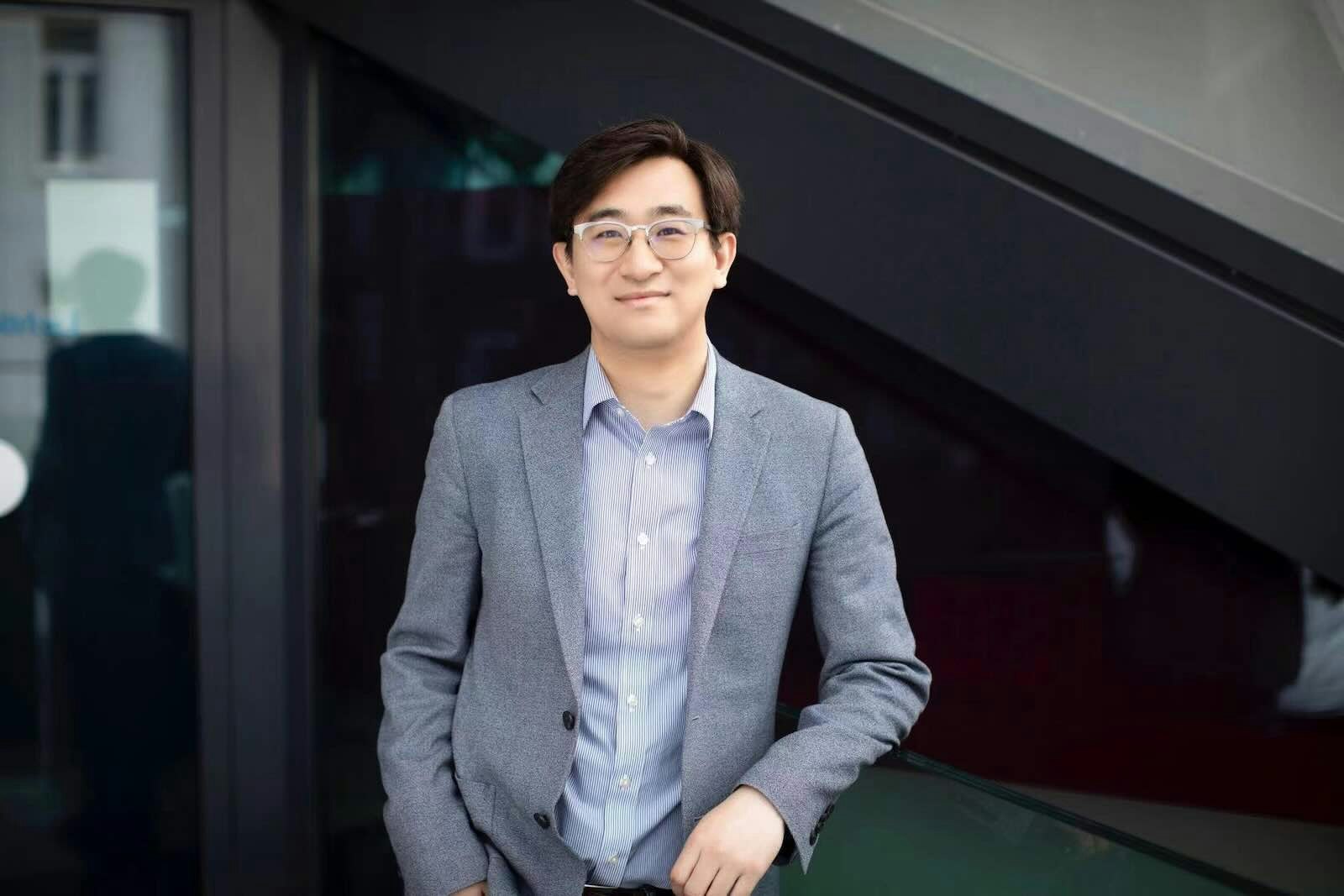
Hao's New Venture Capital Fund
Rick Hao, a former partner at Speedinvest, has successfully closed a $50 million solo General Partner (GP) fund. This new fund is dedicated to backing deeptech startups across the globe, with a strategic emphasis on the European and UK markets. Hao's move to establish his own fund signals a growing trend of experienced venture capitalists launching independent vehicles to pursue specific investment theses.
The establishment of this fund comes at a time when venture capital activity, particularly in deeptech, continues to attract significant attention. While the broader venture market experienced fluctuations, deeptech has shown resilience due to its focus on foundational technologies with long-term potential. Hao's fund aims to capitalize on this by identifying and nurturing startups that are developing groundbreaking solutions in areas such as AI, advanced materials, biotech, and climate tech.
Investment Focus and Strategy
Hao's investment strategy centers on deeptech, a sector characterized by its reliance on scientific discovery and engineering innovation. These companies typically require substantial capital and a long-term investment horizon, often involving significant R&D before achieving commercial viability. The fund's global reach, with a particular focus on Europe and the UK, reflects Hao's belief in the strength and potential of these innovation ecosystems.
He plans to invest between £3 million and £4 million in each portfolio company, targeting 10 to 12 startups over the fund's lifecycle. This approach suggests a commitment to providing significant capital to a select group of companies, allowing them the runway needed to develop and scale their technologies. The fund will not only provide financial backing but also leverage Hao's extensive experience and network to support founders in navigating the complex path from research to market.
Hao has expressed a clear preference for companies that are developing foundational technologies with the potential to create new markets or significantly disrupt existing ones. This includes areas like advanced manufacturing, sustainable technologies, and novel software infrastructure. The fund's mandate allows for investments in pre-seed to Series A stages, indicating an appetite for early-stage risk in pursuit of high-growth potential.

Market Context and Opportunities
The deeptech sector has seen a surge in interest from investors looking for ventures with the potential for outsized returns and significant societal impact. Unlike software-as-a-service (SaaS) companies, which can often scale rapidly with relatively lower capital, deeptech ventures tackle complex scientific and engineering challenges. This often involves longer development cycles, higher capital requirements, and a greater degree of technical risk.
However, the potential rewards are equally substantial. Successful deeptech companies can create entirely new industries, solve pressing global problems, and achieve significant market dominance. Hao's fund is positioned to tap into this potential by providing the necessary capital and strategic guidance to promising startups in these critical fields. His background at Speedinvest, a prominent European venture capital firm known for its early-stage investments, provides a strong foundation for this new endeavor.
The European and UK tech scenes, in particular, have been fostering a growing number of deeptech innovations. With strong research institutions and a supportive, albeit evolving, venture capital landscape, these regions present fertile ground for Hao's investment thesis. The fund's focus on these areas could help bridge the gap between cutting-edge research and commercial application, a critical step for deeptech success.
Broader Implications for Deeptech Investment
Hao's solo GP fund is more than just a new source of capital; it represents a significant development in the venture capital landscape. The rise of solo GPs allows experienced investors to focus on niche sectors or specific investment strategies with greater agility and conviction. This can lead to more specialized and effective support for founders, as these investors often bring deep domain expertise and a dedicated network.
For deeptech startups, the emergence of funds like Hao's is crucial. These ventures require patient capital and investors who understand the unique challenges and long timelines associated with developing breakthrough technologies. The ability of a fund to provide substantial backing, coupled with strategic guidance on scaling, IP protection, and market entry, can be the difference between success and failure.
What remains to be seen is how Hao's fund will navigate the increasing competition in the deeptech space. While the sector is growing, so too is the number of investors vying for the most promising deals. Hao's ability to identify truly differentiated technologies and support their founders through the inevitable hurdles will be key to the fund's long-term success and impact.