The Unseen Value of In-Person Connection
Jason Lemkin, founder and CEO of SaaStr, recently shared an anecdote that cuts through the noise of digital saturation: a CEO closed a $450,000 Total Contract Value (TCV) deal from a buyer met at SaaStr Annual in September. This isn't an isolated incident. In an era where AI-driven marketing and virtual interactions dominate, the enduring power of in-person events to forge meaningful connections and drive tangible business outcomes is being starkly reasserted. The question, however, isn't whether events work, but whether their substantial cost is always justified.
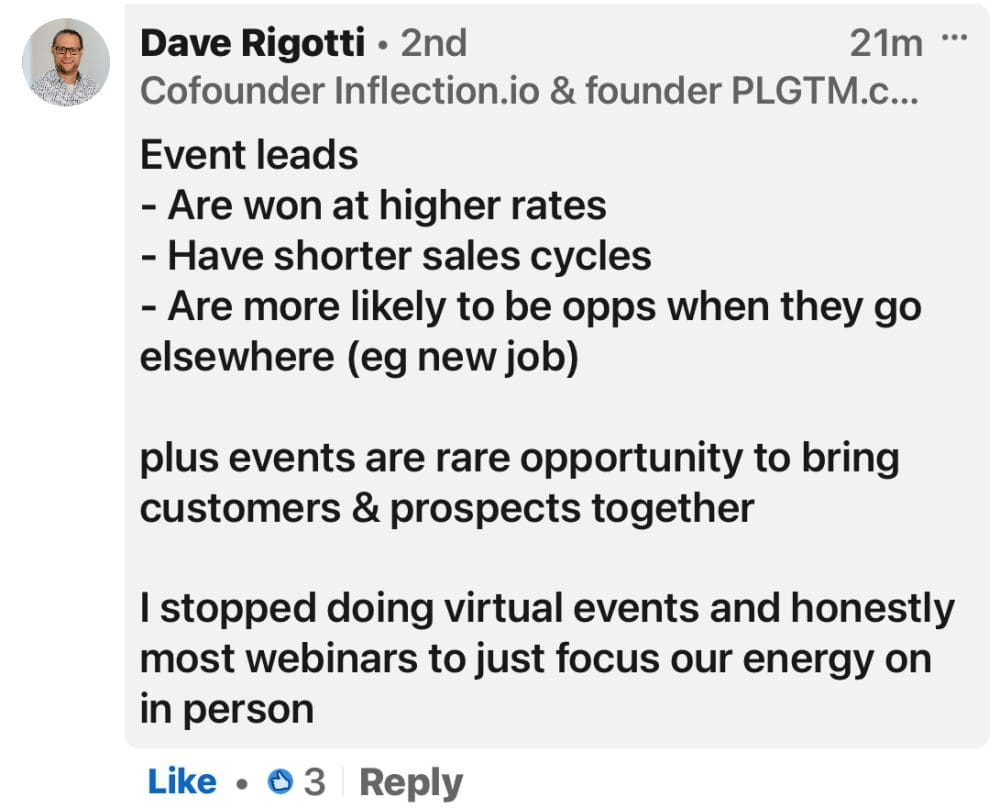
The resurgence of in-person events post-pandemic is undeniable. Conference halls are filling, networking mixers are buzzing, and the demand for face-to-face interaction appears to have outpaced even the most sophisticated digital engagement strategies. This isn't merely about nostalgia; it's about the unique, often intangible, benefits that physical presence brings. Deals are being initiated, partnerships are being solidified, and brand visibility is being amplified in ways that virtual platforms struggle to replicate. The $450,000 TCV deal is a powerful signal: be where your customers are, even when those customers are increasingly accessible through a screen.
However, the economics of events are not trivial. The expense associated with attending or hosting a major conference can be staggering. Beyond ticket prices, consider the costs of travel, accommodation, marketing collateral, booth space, staffing, and the opportunity cost of key personnel being away from their core responsibilities. For many companies, particularly startups and SMBs, this represents a significant investment. The ROI calculation becomes paramount. Does the potential for a deal like the one Lemkin cited, or the broader benefits of brand exposure and market intelligence, truly outweigh the considerable financial outlay and resource drain?

Navigating the ROI Conundrum
The value of an event is rarely a simple, direct transaction. While a closed deal is the ultimate metric, many other benefits accrue. Networking, for instance, is often cited as a primary driver for attendance. These interactions can lead to future partnerships, investor relations, talent acquisition, and invaluable market insights. A casual conversation at a coffee break can spark an idea that saves months of R&D, or a hallway chat can reveal a competitor's strategic shift. These are difficult to quantify but are nonetheless critical for long-term business growth.
For founders, events offer a unique opportunity to gain direct feedback on their product or service. Observing how potential customers react, listening to their pain points, and engaging in unscripted conversations can provide more authentic insights than any survey or focus group. This direct line to the market is gold for refining strategy and product-market fit. Furthermore, for emerging companies, visibility at a major event can be a powerful legitimizer, attracting attention from investors, potential hires, and larger enterprise clients who might otherwise overlook them.
The challenge lies in the attribution. How do you definitively link a specific sales outcome to an event when multiple touchpoints are involved in a typical B2B sales cycle? Was the deal closed solely because of the event meeting, or did that initial encounter merely accelerate an existing conversation? Companies are increasingly employing sophisticated tracking mechanisms, from unique landing pages and discount codes to post-event surveys and CRM integration, to better measure the impact. Yet, a significant portion of event-driven value remains in the qualitative realm – the strengthened relationships, the enhanced brand perception, the fresh perspectives gained.
The AI Factor: Augmentation, Not Replacement
The rise of AI doesn't negate the need for events; it potentially enhances their value. AI can automate lead generation, personalize outreach, and streamline sales processes. However, it cannot replicate the serendipity of a chance encounter, the depth of trust built through a handshake, or the nuanced understanding gained from observing body language in a live demonstration. AI can help identify prospects and manage follow-ups, but the initial spark, the complex negotiation, and the cementing of a critical business relationship often still benefit immensely from human-to-human interaction.
Consider the role of AI in event marketing itself. AI-powered tools can help identify the most relevant events for a company to attend, optimize booth placement, personalize attendee outreach, and even analyze post-event data for deeper insights. This allows companies to be more strategic and efficient with their event investments. Instead of a scattergun approach, AI can help focus resources on events that offer the highest probability of engagement with target customers and partners.
The critical takeaway is that AI and in-person events are not mutually exclusive. They are complementary. AI can handle the scale and efficiency of digital outreach, while events provide the depth and authenticity of human connection. For companies that master this hybrid approach, the ROI on events can be significantly amplified. It’s about using technology to make in-person interactions more targeted and effective, rather than viewing them as a replacement.
Making the Investment Count
For event organizers and attendees alike, maximizing the return requires deliberate strategy. Attendees must go beyond simply collecting business cards. Setting clear objectives before the event – whether it's securing a specific number of qualified leads, meeting key investors, or gaining insights into a particular market trend – is crucial. Post-event follow-up must be prompt, personalized, and integrated into the existing sales pipeline. This isn't just about collecting leads; it's about nurturing relationships.
For organizers, the focus must be on creating an environment that fosters genuine connection and value. This means curating relevant content, facilitating meaningful networking opportunities, and ensuring a seamless attendee experience. The rise of niche, highly targeted events also plays into this trend, offering more focused audiences and therefore potentially higher ROI for participants. The days of the generic mega-conference may be waning, replaced by events that cater to specific industries, roles, or technological interests.
Ultimately, the question of whether events are worth the expense hinges on a company's ability to strategically leverage them. When approached with clear goals, diligent execution, and a commitment to both pre- and post-event engagement, in-person events remain a powerful engine for business growth. The $450,000 TCV deal serves as a potent reminder that in a world saturated with digital noise, the signal of a well-executed in-person interaction can still be the most valuable. But for many, the true cost-benefit analysis remains an ongoing, and often complex, calculation.