European Tech Funding Landscape: A Week of Robust Activity
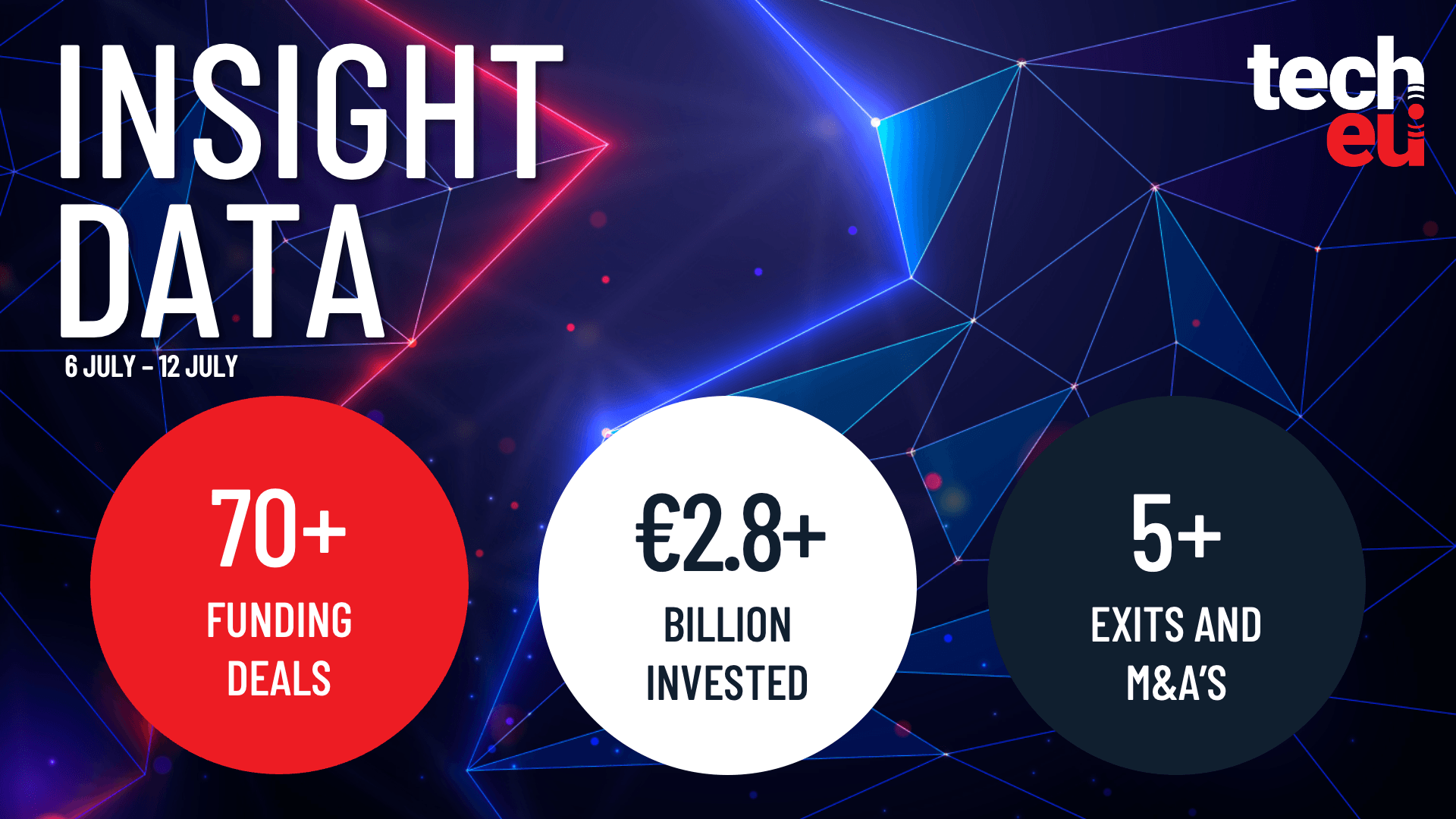
Last week, the European technology sector demonstrated remarkable resilience and growth, with investors backing startups through more than 70 distinct funding rounds. These deals collectively represent a substantial capital injection of over €2.8 billion. This robust financial activity underscores a strong appetite for innovation across the continent, signaling continued confidence in the region's tech ecosystem. Beyond primary funding, the week also saw a notable number of strategic maneuvers, including over 5 exits and mergers and acquisitions, indicating a dynamic market where mature companies are being consolidated or acquired, and new ventures are scaling rapidly.
While the aggregate figures are impressive, a deeper look reveals key trends in sectorial investment. The top three industries attracting the most significant portions of this capital were not explicitly detailed in the provided summary, but typically include areas such as software-as-a-service (SaaS), artificial intelligence (AI), fintech, and deep tech. These sectors consistently draw investor attention due to their potential for high growth, scalability, and disruptive impact. The sheer volume of deals suggests a broad diversification of investment, reaching across various stages from early-stage seed rounds to later-stage growth funding. This indicates a healthy pipeline of emerging companies and established scale-ups seeking to expand their operations, develop new products, and capture market share.
Sectoral Focus and Investment Drivers
The consistent flow of capital into European tech is driven by several factors. Firstly, the region boasts a rich talent pool, with a growing number of highly skilled engineers, data scientists, and entrepreneurs emerging from its leading universities and research institutions. Secondly, government initiatives and supportive regulatory frameworks in many European countries are fostering an environment conducive to startup growth. Programs aimed at encouraging R&D, providing tax incentives, and facilitating access to funding are playing a crucial role. Furthermore, the increasing digitization of traditional industries across Europe presents significant opportunities for tech companies to offer innovative solutions, driving demand for software, AI, and data analytics services.
The prevalence of SaaS and AI in investment portfolios is no surprise. These technologies are fundamental to digital transformation across all sectors. SaaS solutions offer scalability and recurring revenue models that are highly attractive to investors, while AI continues to promise unprecedented efficiency gains and the creation of entirely new business models. Fintech remains a perennial favorite, driven by the ongoing demand for more efficient, secure, and accessible financial services, particularly in areas like digital payments, challenger banks, and blockchain applications. Deep tech, encompassing areas like quantum computing, advanced materials, and biotech, also captures significant investment, reflecting a long-term vision for technological advancement and its potential to solve complex global challenges.
The Role of Exits and M&A in Market Maturation
The over 5 exits and M&A transactions observed last week are critical components of a mature tech ecosystem. Exits, whether through initial public offerings (IPOs) or acquisitions, provide liquidity for early investors and founders, allowing them to reinvest capital into new ventures. This cycle of investment and return is vital for sustaining startup creation and innovation. Acquisitions by larger corporations, both within and outside the tech sector, allow for the consolidation of technologies, market expansion, and the integration of innovative solutions into broader product portfolios. These M&A activities not only signal the success of acquired companies but also highlight areas where strategic growth and market dominance are being pursued.
The nature of these exits and M&A deals can offer further insights. Are they primarily strategic acquisitions by tech giants looking to bolster their offerings, or are they financial acquisitions by private equity firms? Are the exits predominantly IPOs, suggesting a strong public market appetite for European tech, or are they smaller, more frequent acquisitions? Understanding these nuances helps paint a clearer picture of the market's health and the pathways to success for European startups. The continued activity in this space indicates that established players are actively seeking to integrate cutting-edge technologies and that there is a viable market for successful startups to either go public or be acquired at attractive valuations.
Looking Ahead: Sustaining Momentum
The €2.8 billion in funding across more than 70 deals is a strong indicator of the European tech scene's vitality. However, the challenge remains to sustain this momentum. Continued investment in foundational research, fostering a supportive regulatory environment, and ensuring access to later-stage growth capital are crucial. The region's ability to translate innovative ideas into scalable businesses and successful exits will determine its long-term competitiveness on the global stage. As the market evolves, tracking specific sectorial trends, the impact of geopolitical factors, and the geographic distribution of funding will be key to understanding the ongoing narrative of European tech innovation.
What remains to be seen is how these substantial investments will translate into tangible product development and market impact in the coming quarters. The true measure of success for this funding surge will be in the creation of new technologies, the expansion of market reach for these startups, and their ability to generate significant economic value and employment across Europe.