The Pleo Paradox: Growth at What Cost?
Danish fintech darling Pleo, a company lauded for its expense management solution, is now at the center of a culture storm. Seven former employees, speaking anonymously to Sifted, painted a picture of a company that has undergone a significant transformation, and not entirely for the better. The shift, according to these accounts, began with a leadership overhaul that introduced a tougher management style. This wasn't just about stricter deadlines; it was a fundamental change in the operational ethos, leading to internal friction among executives and a growing concern that Pleo’s core product is falling behind competitors.
The narrative emerging from Pleo suggests a common challenge facing many high-growth startups: the tension between rapid scaling and maintaining a people-centric culture. Pleo cofounder and CEO Jeppe Rindom acknowledged these changes in a statement to Sifted, framing them as inevitable byproducts of growth. "As anyone who has scaled a business knows, this growth inevitably brings with it changes in structure, culture and approach which sometimes require tough decisions," he said. "We will always be a people-focused business, and we are incredibly proud of the talent and commitment of our high-performing team." This statement, while reaffirming Pleo's commitment to its people, does little to assuage the concerns of those who experienced the cultural shift firsthand, highlighting a disconnect between leadership's perception and employee experience.
Cleo's Culture Conundrum
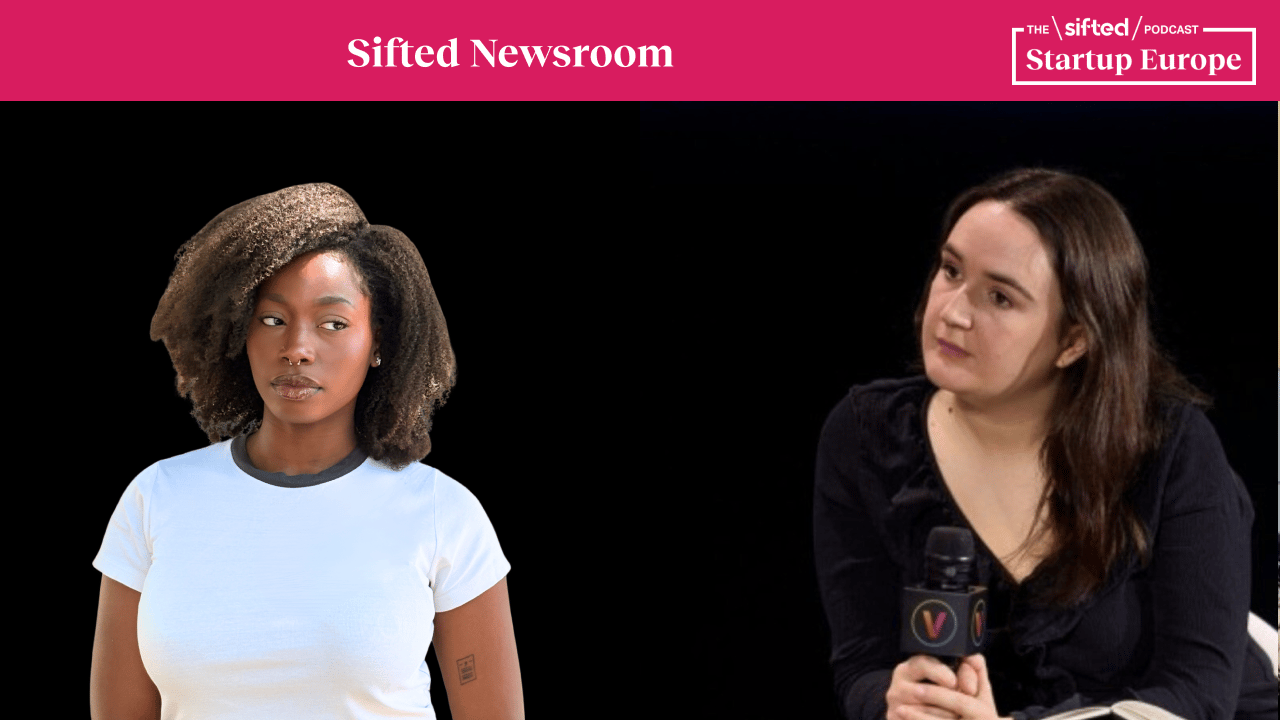
The issues at Pleo are not isolated. Sifted’s fintech reporter, Damisola Sulaiman, also delved into the culture at UK-based fintech Cleo, known for its AI-powered budgeting app. While specific details of Cleo’s internal dynamics were not elaborated on in the podcast excerpt, its inclusion in the discussion signals a broader pattern. The very fact that a reporter with Sulaiman’s focus is examining these issues across multiple prominent European fintechs suggests a systemic challenge, rather than a one-off incident. This trend raises a critical question for the European fintech sector: is rapid expansion inherently at odds with fostering positive and sustainable work environments?
The underlying theme appears to be the pressure cooker environment that hyper-growth startups often inhabit. Investors demand aggressive expansion, user acquisition, and market share gains. To achieve this, companies often implement demanding performance metrics, restructure teams, and prioritize speed over nuanced cultural development. What these former employees describe is the human cost of such an approach. It’s the gradual erosion of psychological safety, the increase in interpersonal conflict, and the feeling that the company’s values are being sacrificed on the altar of growth. This isn't unique to fintech, but the sector's reliance on venture capital and its fast-paced, often volatile, market dynamics seem to amplify these pressures.
The Broader European Fintech Landscape
Sulaiman’s reporting and subsequent discussion on the Sifted podcast point towards a wider cultural malaise within European fintech. The sector has experienced an unprecedented boom in recent years, attracting significant investment and producing numerous unicorns. However, this rapid ascent has, in some cases, outpaced the development of robust internal cultures. The focus has often been on product-market fit, user acquisition, and fundraising rounds, with company culture sometimes treated as an afterthought or something that can be retrofitted later.
This approach is problematic. A company's culture is not merely a perk or a nice-to-have; it is the bedrock upon which sustainable success is built. It influences employee retention, productivity, innovation, and ultimately, the quality of the product itself. When culture deteriorates, it can lead to burnout, disengagement, and a loss of institutional knowledge as valuable employees depart. For Pleo, this manifests as concerns about the product losing ground. For others, it could mean missed innovation opportunities or an inability to attract top-tier talent in the long run.
The leadership overhaul at Pleo, while perhaps necessary from a business perspective, serves as a stark reminder that scaling a company requires more than just financial acumen and strategic pivots. It demands exceptional leadership that can navigate the complexities of human dynamics. The challenge for European fintechs is to find a balance – to achieve ambitious growth targets without sacrificing the very human element that drives innovation and long-term success. The question that remains unanswered is how many more companies will experience similar growing pains before the sector collectively prioritizes cultural resilience alongside financial growth.
This situation echoes a broader debate in the tech industry globally, but the European context, with its diverse regulatory environments and distinct startup ecosystems, presents unique challenges. Building a strong, positive culture requires intentionality, consistent effort, and leadership commitment. It means investing in management training, fostering open communication channels, and ensuring that company values are not just stated, but actively lived and reinforced at every level. The stories from Pleo and the implications for Cleo suggest that many European fintechs still have significant work to do in this regard.