The Data Exchange Agreement

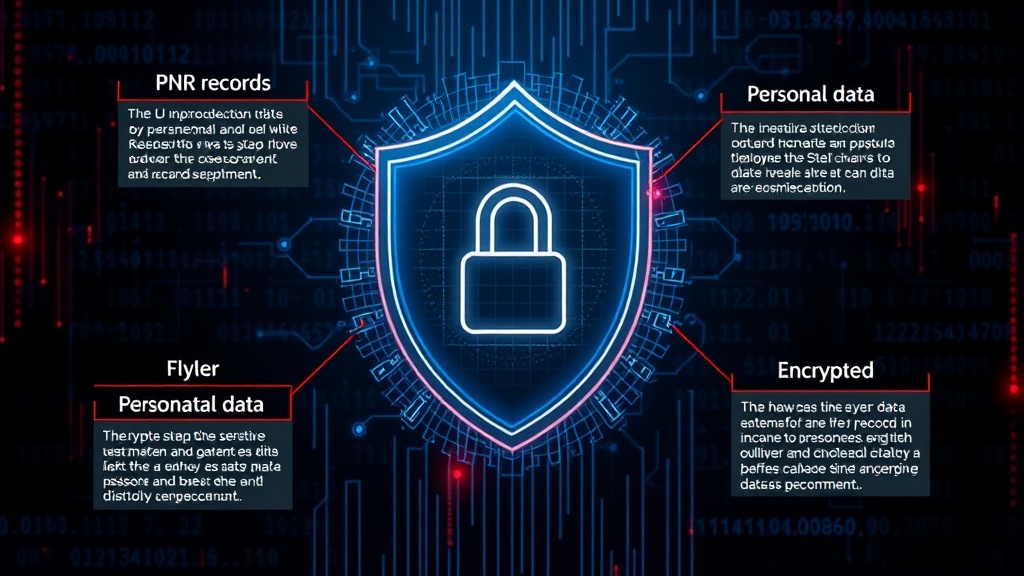
The European Union is poised to finalize a controversial agreement that will grant the United States access to Passenger Name Record (PNR) data of millions of travelers. This data exchange is a cornerstone of the EU's efforts to secure visa-free travel for its citizens to the U.S. Under the proposed terms, the U.S. will receive extensive personal information from EU travelers, ostensibly to enhance security and combat terrorism and serious crime. However, privacy advocates and civil liberties organizations are sounding the alarm, arguing that the scope of data shared and the safeguards in place are insufficient. The PNR data itself is a treasure trove of personal information. It includes not only flight details but also names, contact information, payment details, travel companions, frequent flyer information, and potentially even dietary requirements or special assistance requests. This comprehensive profile can reveal intimate details about an individual's life, habits, and associations. The agreement allows the U.S. to retain this data for extended periods, raising questions about its ultimate use and potential for misuse.

Privacy Concerns and Criticisms

Several organizations, including European Digital Rights (EDRi), have been vocal in their opposition to the deal. Their primary concern is the potential for mass surveillance and the erosion of fundamental privacy rights. The argument from proponents of the agreement centers on national security. They contend that access to this data is critical for identifying potential threats and preventing terrorist attacks. However, critics argue that the effectiveness of such blanket data collection in preventing terrorism is debatable, and the cost to individual privacy is too high. One of the most significant criticisms is the lack of reciprocity. While the U.S. has stringent data protection laws, the agreement reportedly does not guarantee equivalent data protection standards for EU citizens' data held by U.S. authorities. The U.S. has a history of broad surveillance programs, and concerns persist that this data could be used for purposes beyond the stated security objectives, such as immigration enforcement or even commercial profiling, despite assurances to the contrary.
Infographic illustrating the types of personal data contained within PNR records
The European Parliament has previously expressed reservations about similar data-sharing agreements with the U.S., highlighting concerns about data security, purpose limitation, and the right to effective judicial redress for EU citizens whose data might be mishandled. While the current proposal aims to address some of these past concerns, critics maintain that fundamental issues remain unresolved. The agreement's legality under EU data protection law, particularly the GDPR, is also a subject of intense debate.

The Trade-Off: Visa-Free Travel

The allure of visa-free travel to the United States is a significant benefit for EU citizens, particularly for business and tourism. For many, the convenience and ease of crossing the Atlantic without the need for a visa application process are highly valued. This agreement positions the data sharing as a necessary trade-off for this privilege. However, the question remains whether this trade-off is equitable and whether the perceived security benefits justify the potential privacy risks. This situation is not entirely new. Similar data-sharing agreements have been negotiated in the past, often under the umbrella of counter-terrorism efforts following major attacks. Each iteration brings renewed debate about the balance between security and civil liberties. The core tension lies in the differing legal frameworks and cultural approaches to privacy between the EU and the U.S. The EU's General Data Protection Regulation (GDPR) sets a high bar for data protection, while U.S. law, particularly concerning national security, allows for broader data access and retention.

Looking Ahead: What's Next?

As the agreement moves towards finalization, the debate intensifies. Civil society groups are calling for greater transparency and public scrutiny of the terms. They are urging EU member states and the European Parliament to ensure that any agreement rigorously protects EU citizens' fundamental rights. The long-term implications of this data-sharing deal extend beyond individual travelers; they shape the broader landscape of international data privacy and the future of digital rights in an increasingly interconnected world. The effectiveness of the proposed safeguards will be crucial. These include measures related to data access controls, anonymization techniques where applicable, and mechanisms for oversight and accountability. Without robust and independently verifiable protections, the risk of data misuse remains a significant concern. The ongoing dialogue between the EU and the U.S. on these matters will continue to shape how personal data is handled in the context of international relations and security.