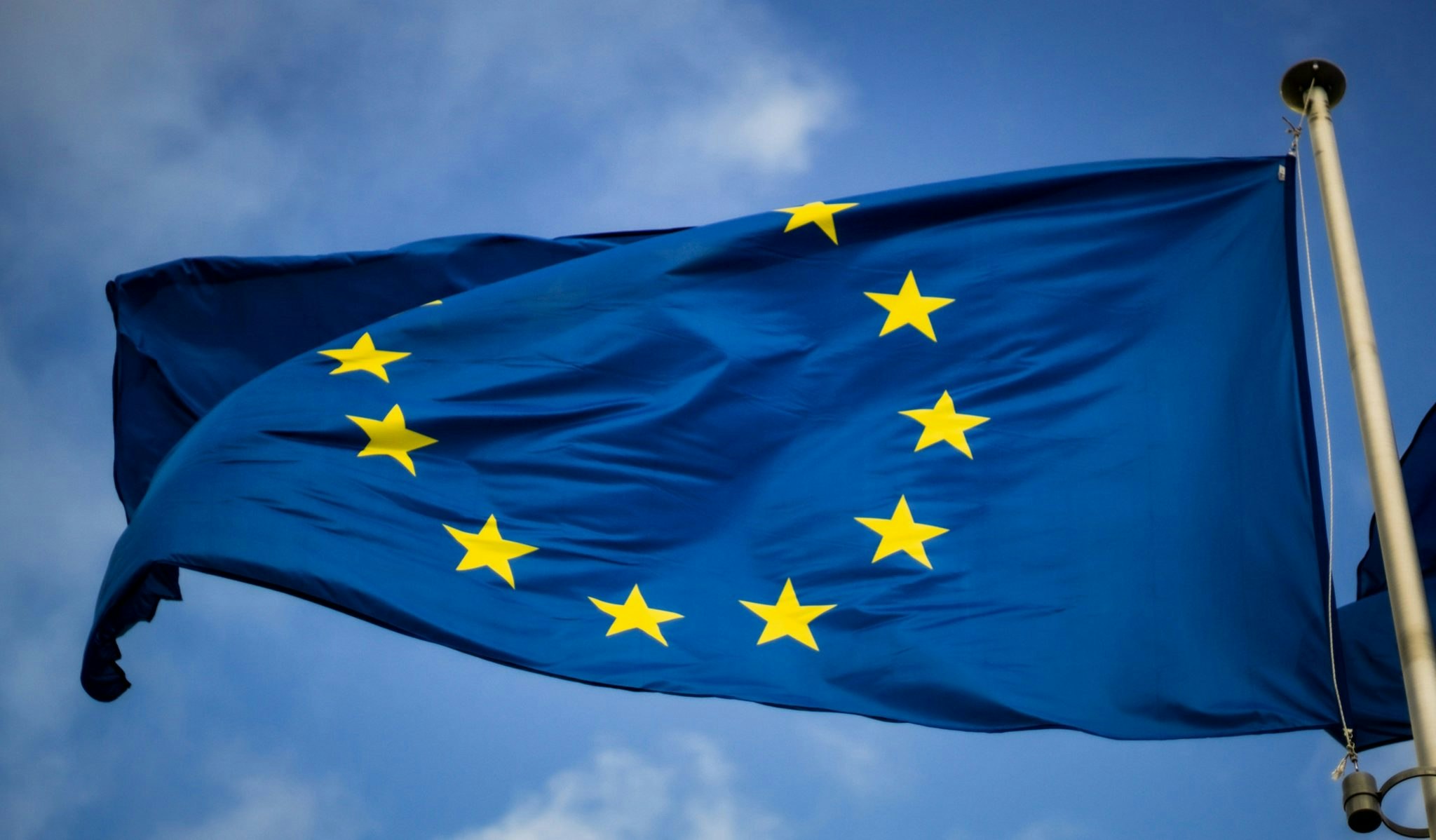
EU Faces Standoff Over €5 Billion Tech Fund Participation
The European Union's ambitious €5 billion tech investment fund, designed to bolster European startups and compete with global giants like the US and China, is embroiled in a significant dispute. France has attempted to block the United Kingdom's participation, sparking high-level negotiations between UK and EU officials. The core of the disagreement centers on the fund's structure and the UK's eligibility and contribution.
The fund, known as the EIB Innovation Fund (EIF), aims to provide crucial growth capital for European scaleups. Initially envisioned to be a pan-European initiative, its success hinges on broad participation and substantial investment. France's objection, however, threatens to derail these ambitions, raising questions about the EU's ability to foster a unified and competitive tech ecosystem.

The Nature of the Dispute: Quotas and Control
Sources indicate that France's primary concern revolves around the balance of power and financial commitment within the fund. The UK, with its robust tech sector and established venture capital landscape, is seen by some as a significant potential contributor and recipient of funds. However, France appears to be pushing for a more restrictive approach, potentially limiting the UK's influence or the amount of capital it can deploy or receive. This is not simply a matter of the UK's eligibility, but rather a negotiation over its specific role and financial 'quota' within the larger EU framework.
The EIF's mandate is to invest in later-stage European tech companies, a critical phase where startups often struggle to secure the large sums needed for international expansion. The fund's structure, as reported, involves contributions from various member states, with the European Investment Bank (EIB) playing a significant role. France's objection suggests a desire to maintain a certain level of control over which countries benefit most and how the capital is allocated, possibly to ensure a greater share for French or other continental European startups.
Crunch Talks and Potential Resolutions
UK government officials have entered 'crunch talks' with their European counterparts to resolve the impasse. The urgency stems from the fund's timeline and the need for a clear operational framework. France's attempt to block the UK's participation highlights a deeper tension within the EU regarding post-Brexit cooperation, particularly in strategic economic sectors like technology.
One potential resolution being discussed is a quota-based deal. This would involve setting specific limits or targets for the UK's investment and the amount of capital it can draw from the fund. Such an arrangement could appease France's concerns about the UK's potentially outsized role while still allowing for British participation. This approach is akin to a carefully negotiated trade-off, where each party concedes something to achieve a larger common goal – a functioning, well-funded tech investment vehicle.
The EU's internal discussions on the fund's structure have been complex. Reports suggest that the fund's total size is around €5 billion, with initial investment targets of €1 billion. The EIB itself has been working to build a consortium of national promotional banks and private investors. The success of this endeavor is contingent on the agreement of all major stakeholders, including the UK, which remains a significant European tech hub.
Broader Implications for European Tech
The standoff has broader implications for the EU's aspiration to become a global technology powerhouse. A fund of this magnitude, if successfully launched and inclusive, could significantly alter the European venture capital landscape, providing a much-needed alternative to US and Asian funding. However, internal disagreements and protectionist tendencies, as exemplified by France's stance, could undermine its effectiveness and signal a less unified approach to innovation.
The surprising detail here is not the scale of the fund, but the internal friction it has exposed. The EU's stated goal is to foster pan-European collaboration, yet this dispute suggests that national interests are still a primary driver in strategic economic initiatives. The outcome of these talks will be a bellwether for future EU-led tech funding initiatives and the willingness of member states, including post-Brexit Britain, to collaborate on a grand scale.
If you are a founder of a European scaleup, this fund represents a significant potential source of capital. However, the ongoing negotiations mean that its availability and terms are still uncertain. The EU's ability to overcome these internal hurdles will determine whether this €5 billion fund becomes a genuine catalyst for European tech growth or another example of ambitious plans hampered by geopolitical squabbles. The question remains: can the EU truly unite its technological might, or will national interests continue to fragment its efforts?